
Resin Wicker Patio Couch: The Complete Outdoor Seating Guide
Everything you need to know before bringing an all-weather wicker couch to your patio, deck, or porch — from weave construction and frame materials to cushion care and layout planning.
Explore Recommended ModelsWhy this guide matters: A resin wicker patio couch is one of the most practical outdoor seating investments you can make. It resists rain, sun, and temperature swings far better than natural rattan, yet it keeps the warm, textured look that makes an outdoor room feel inviting. This guide walks you through the exact details that separate a couch that lasts a decade from one that frays within two seasons.
What Is a Resin Wicker Patio Couch?
A resin wicker patio couch is an outdoor sofa built with a structural frame — usually aluminum or powder-coated steel — wrapped in a synthetic woven material made from high-density polyethylene (HDPE). Unlike natural rattan or willow, resin wicker does not absorb water, crack in dry heat, or feed mold. That makes it a genuinely low-maintenance choice for covered porches, open decks, and poolside lounges.
The weave is the visual signature. Manufacturers produce resin strands in dozens of profiles, from flat straps to rounded rattan-style cords, then weave them in patterns like herringbone, basketweave, or open lattice. A well-woven couch has tight, uniform strands with no visible gaps at the corners, because loose ends are where premature fraying begins. If you're comparing construction styles, our guide to resin outdoor couch construction breaks down the frame-to-weave relationship in more detail.
Frame Materials: Where Durability Is Decided
The wicker is the part you see, but the frame is the part that determines whether your couch stays square and stable after years of use. There are three common frame categories on the market:
- Powder-coated aluminum: The strongest option for outdoor furniture. Aluminum will not rust, and powder coating adds scratch and UV resistance. This is the frame type found in most premium and top-tier patio couches.
- Powder-coated steel: Heavy and stable, but heavier to move and vulnerable to rust if the coating chips. Commonly used in mid-range models where a substantial feel matters.
- Wood or engineered wood cores: Found in entry-level pieces. These can work under a covered patio but are a poor fit for open exposure where moisture reaches the frame.
A practical test when shopping in person: lift one end of the couch. A hollow, rattling sound or visible flex at the arm joints is a warning sign. A dense, quiet response usually means a welded aluminum frame underneath. When shopping online, look for product descriptions that explicitly state "aluminum frame" and "powder-coated" rather than vague wording like "metal frame."
Weave Quality and Weather Resistance
Not all resin is created equal. The two variables that matter most are strand density and UV stabilization:
- High-density HDPE: Resists fading, cracking, and moisture absorption. This is the standard for a long-term investment piece.
- UV inhibitors: Quality manufacturers add UV stabilizers so the color holds through summer sun. Cheaper strands fade to a chalky tone within a season or two.
- Weave tightness: Tight weaving protects the frame from rain intrusion and looks more refined. Open weaves allow faster drying but expose the frame to more moisture.
- Strand finish: A slight texture or matte finish tends to hide scratches better than a high-gloss strand.
If your patio is fully exposed to rain and direct sun, prioritize high-density HDPE with UV inhibitors and an aluminum frame. If it's a covered porch, a mid-tier steel frame with standard HDPE weave will generally serve you well. For a broader look at patio seating styles, see our quality outdoor couch guide, which compares wicker, metal, and fabric-based outdoor sofas.
Cushions: The Part You Actually Sit On
The frame and weave create the silhouette, but cushions determine comfort and they take the most abuse from sun and moisture. Here's what to check:
- Foam density: Higher-density foam (often described as "high-resilience" or HR foam) holds its shape through repeated use. Low-density foam compresses into flat panels within a season.
- Fabric treatment: Look for solution-dyed acrylic or polyester with a water-repellent finish. These resist mildew and fade far better than untreated cotton blends.
- Removable covers: Zippered, machine-washable covers are a significant practical advantage, especially in households with pets or children.
- Quick-dry construction: Cushion cores with mesh drainage panels or open-cell foam dry faster after rain.
- Replacement availability: A couch whose cushions can be reordered years later is a better long-term investment. See our notes on replacement cushions for a couch for what to look for.
Sizing and Layout for Outdoor Spaces
Outdoor seating has different spatial rules than a living room. You need clearance for foot traffic, doors, and weather exposure. A patio couch typically falls into three size bands:
- Loveseat-scale (two-seat): Best for narrow balconies and small porches. Pair with a single accent chair to avoid crowding.
- Standard three-seat couch: The most versatile size for decks and mid-sized patios. Allows a coffee table and side table without feeling packed.
- Sectional or L-shaped wicker couch: Ideal for larger patios and conversation zones. These require more depth, so measure your deck footprint carefully before ordering.
As a rule of thumb, leave at least 30 inches of walkway between the front edge of the couch and any table or railing. If you're working with a tight balcony, a rattan couch in a compact two-seat configuration can be a smart alternative that keeps the woven look while saving floor space. For patios that need to double as entertaining spaces, consider pairing the couch with a fire pit — our guide to a rattan patio set with fire pit shows how the seating layout works as a complete zone.
Comparison by Tier: What You Get at Each Level
Instead of thinking in terms of specific figures, it helps to think in tiers. The table below describes what each market tier typically delivers so you can match the couch to how you actually use your outdoor space.
| Tier | Typical Frame & Weave | Cushion Quality | Best For |
|---|---|---|---|
| Entry-level / starter tier | Steel or engineered wood frame, standard HDPE weave, moderate UV protection | Basic foam, untreated or lightly treated fabric | Covered porches, seasonal use, first outdoor seating setup |
| Mid-range / balanced tier | Powder-coated steel or aluminum, tighter weave, improved UV stabilizers | Higher-density foam, solution-dyed fabric with water repellency | Year-round decks with partial cover, family use |
| Premium / high-end tier | Welded aluminum frame, dense HDPE with strong UV inhibitors, refined weave patterns | High-resilience foam, quick-dry cores, removable washable covers | Fully exposed patios, coastal climates, long-term investment |
| Luxury / flagship tier | Precision-welded aluminum, hand-finished weave detailing, commercial-grade coating | Multi-layer foam, premium performance fabric, tailored covers | Design-forward outdoor rooms, hospitality-grade expectations |
In practice, the jump from entry-level to mid-range is where most of the durability gains happen. The jump from mid-range to premium is mostly about refinement — smoother weave, better cushion engineering, and more consistent color retention over many seasons.
Care and Maintenance That Actually Extends Life
Resin wicker is low-maintenance, not no-maintenance. A simple routine keeps the weave tight and the cushions fresh:
- Weekly: Brush loose debris out of the weave with a soft brush. Rinse with a garden hose on low pressure.
- Monthly: Wipe the frame joints where water collects. Check for loose weave ends and trim or tuck them to prevent unraveling.
- Seasonally: Wash cushion covers according to the manufacturer's label. Air-dry fully before replacing them to prevent mildew.
- Before winter: Cover the couch with a breathable outdoor cover, or store cushions indoors. Never wrap in non-breathable plastic, which traps condensation.
If cushions eventually lose their loft, they can often be refreshed rather than replaced — our guide to re-cushioning a couch explains how to evaluate whether the foam core or just the cover needs attention. And if the weave itself develops a small snag, early repair prevents it from spreading.
Quick Pre-Purchase Checklist
- Frame explicitly described as powder-coated aluminum (preferred) or steel
- Weave material named as HDPE resin with UV protection
- Visible tight, uniform weave at corners and arm joints
- Cushion foam described as high-density or high-resilience
- Removable, washable cushion covers with zippers
- Dimensions confirmed against your patio footprint, including walkway clearance
- Replacement cushion options available from the seller
Pairing Your Wicker Couch With Other Outdoor Pieces
A patio couch rarely sits alone. The right companion pieces turn it into a functional outdoor room:
- Coffee table or ottoman: Anchor the seating zone. Choose a material that won't rust — aluminum, powder-coated steel, or composite wood.
- Accent chairs: Two woven chairs opposite the couch create a conversation circle without the bulk of a sectional.
- Rug: An outdoor rug defines the seating area and keeps feet off hot decking.
- Shade: A patio umbrella or pergola extends usable hours and protects the weave from prolonged direct sun, which slows fading.
- Fire feature: For evening use, a fire pit table pairs naturally with a wicker couch — see our rattan outdoor furniture with fire pit overview for layout ideas.
If your seating needs to convert for guests, consider an outdoor piece with a pull-out function. Our pull-out couch guide covers how convertible mechanisms work in different furniture categories, and the same durability principles apply when evaluating outdoor-grade convertible frames.
Common Mistakes to Avoid
- Buying by look alone: A beautiful weave over a weak frame will sag within a few seasons.
- Ignoring UV ratings: Color fade is the most visible sign of a low-grade weave.
- Skipping the measurement step: Outdoor couches are deeper than indoor sofas; confirm clearance to doors and railings.
- Leaving cushions out in heavy rain: Even quick-dry foam benefits from being brought in during prolonged storms.
- Assuming all "wicker" is the same: Natural wicker and resin wicker behave very differently outdoors — resin is the safer choice for exposed spaces.
Frequently Asked Questions
Is resin wicker better than natural rattan for outdoor use?
For outdoor use, yes. Resin wicker (HDPE) does not absorb water, resists UV fading, and won't crack or grow mold like natural rattan can. Natural rattan looks beautiful on covered porches but degrades quickly with direct rain and sun exposure.
Can a resin wicker patio couch stay outside all year?
With a powder-coated aluminum frame and high-density HDPE weave, yes — it can stay outdoors year-round in most climates. Cushions should be brought inside or covered during heavy rain and winter to extend their life. In freezing climates, covering the frame during snow season is recommended.
How do I know if the frame is aluminum or steel?
Check the product specifications. Reputable sellers list the frame material explicitly. Aluminum is lighter and rust-proof; steel is heavier and needs intact powder coating to resist rust. If the listing only says "metal frame," ask the seller before purchasing.
How often should I replace the cushions?
Quality cushions with high-density foam and solution-dyed fabric typically last several seasons with proper care. Replace them when the foam loses loft and no longer springs back, or when the fabric shows persistent mildew staining that washing cannot remove. Often you can replace just the foam inserts or just the covers.
Does resin wicker get hot in direct sun?
It can warm up, but less than metal surfaces. Light-colored weaves stay cooler than dark weaves. If your patio gets intense afternoon sun, a light or mid-tone weave plus a shade structure keeps the seating comfortable.
What size couch fits a small balcony?
A two-seat loveseat-scale wicker couch is the safest fit for most balconies. Measure the balcony depth and leave at least 30 inches of walkway. A compact rattan couch configuration can provide the same woven aesthetic in a footprint that suits narrow spaces.
Recommended Resin Wicker Patio Couches
⚠️ AFFILIATE DISCLOSURE: This website contains affiliate links. As an affiliate Associate, we earn from qualifying purchases. If you make a purchase through these links, we may receive a small commission at no additional cost to you. Read our full affiliate policy.

Bellefurn Patio Wicker Sofa 3-Seat Sofa Brown PE Rattan Couch with Water-Resistant Seat Back Cushions Resin Wicker Couch for Garden Balcony Backyard Deck Porch Sunroom, Sofa(1PC), Brown|Grey
Check price on Amazon
Rattaner 3-Seat Patio Wicker Sofa, Outdoor Rattan Couch Furniture Steel Frame with Furniture Cover and Deep Seat High Back, Blue Anti-Slip Cushion.
Check price on Amazon
Signature Design by Ashley Paradise Trail Outdoor Sofa, Rust-Proof Aluminum Frame, Resin Wicker Patio Couch with 3 Seater Capacity, Beige Cushions and Throw Pillows, Medium Brown
Check price on Amazon
Rattan Star Patio Furniture Outdoor Couch Wicker Outdoor Furniture Patio Couch Deep Seat Sofa High Backrest with Waterproof Cover and Non-Slip Cushions, Grey
Check price on Amazon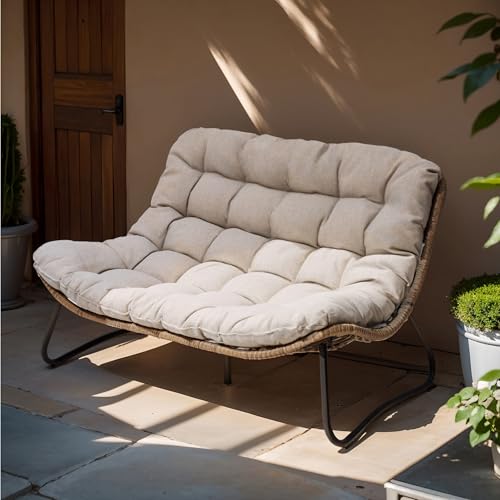
Outdoor Loveseat, Boho Rattan Patio Couch with Soft Cushion (Beige) | 2 Seater Sofa All-Weather Patio Furniture for Deck,Balcony, Poolside, Backyard, Porch,Apartment
Check price on Amazon
WAROOM Patio Couch PE Rattan 3-Seat Outdoor Sofa Brown Wicker Furniture Set Deep Seating with Anti-Slip Beige Cushion
Check price on Amazon
WAROOM Outdoor Couch 3 Seater Wicker Patio Sofa Grey Rattan Balcony Furniture Deep Seat Porch Seating, Navy Blue Cushion
Check price on Amazon