Understanding Carpet vs. Upholstery Cleaning
Carpet and upholstery share some cleaning principles, but they are not interchangeable. Carpets are designed to handle more aggressive cleaning methods because their fibers are tightly woven and anchored to a backing. Upholstery, on the other hand, is more delicate — fabric type, dye stability, and cushion construction all influence how it should be cleaned. Treating a sofa like a carpet can lead to shrinkage, color bleed, or permanent fiber damage.
The most important first step before any cleaning is to identify the fabric. Most furniture comes with a cleaning code tag, usually one of the following: W (water-based cleaners), S (solvent-based cleaners only), WS (water or solvent), or X (vacuum only, no liquid). Knowing this code prevents costly mistakes and helps you choose the right products and methods.
Cleaning Method Comparison
The table below compares the most common cleaning approaches by their market positioning, best use case, and practical considerations. Use the tier descriptors to understand where each method sits relative to the others, without relying on specific figures.
| Tier | Method | Best For | Considerations |
|---|---|---|---|
| Entry-Level | Vacuuming & spot treatment | Routine maintenance and light soil | No extraction; requires consistency; safest for all fabrics |
| Essential Tier | DIY encapsulation or dry powder | Low-moisture cleaning for carpets and some upholstery | Minimal drying time; good for busy households; moderate soil removal |
| Mid-Tier | Rented hot water extraction | Deep cleaning of carpets and durable upholstery | Effective soil removal; requires drying time; learning curve on equipment |
| High-End Tier | Professional steam cleaning | Deep sanitizing of carpets and delicate upholstery | Operator expertise matters; fabric-specific solutions; best for stubborn stains |
| Top-Tier | Specialty dry cleaning (solvent) | Delicate fabrics coded S or X | No water exposure; requires professional handling; preserves dye and texture |
DIY Cleaning: What Actually Works
For households that want to handle routine cleaning in-house, a structured DIY approach delivers solid results without the overhead of professional services. The key is matching the method to the fabric and staying consistent.
1. Vacuuming — The Most Underrated Step
Up to 80% of the soil in carpets and upholstery is dry particulate matter that can be removed with a quality vacuum. Use a vacuum with strong suction and a HEPA filter for best results. On upholstery, use the brush attachment and work in overlapping passes. Vacuum high-traffic areas at least twice weekly, and the entire sofa and carpet at least once a week.
2. Spot Treatment for Stains
Blot — never rub — spills immediately with a clean white cloth. For water-soluble stains, a mild dish soap solution works well. For oil-based stains, a small amount of rubbing alcohol on a cloth can help. Always test any solution on a hidden area first. For pet accidents, an enzyme-based cleaner is the most effective option because it breaks down the proteins that cause odors. Related reading: pet owner guide and shampooing a couch.
3. Encapsulation and Dry Powder Methods
These low-moisture methods are ideal for carpets and durable upholstery when you want to minimize drying time. Encapsulation solutions crystallize around soil particles, which are then removed by vacuuming. Dry powder methods work similarly — you spread the powder, agitate it into the fibers, and vacuum it away. Both are solid choices for maintenance cleaning in busy households.
4. Hot Water Extraction (DIY)
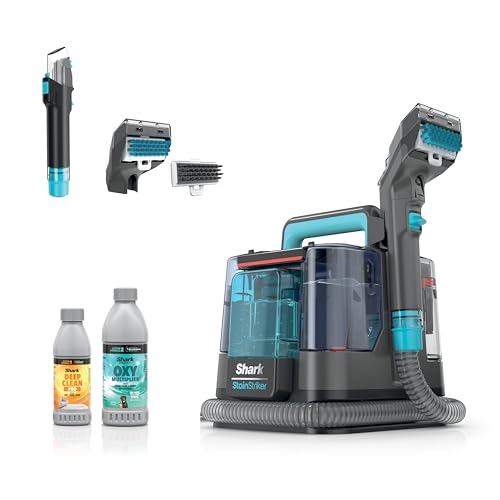
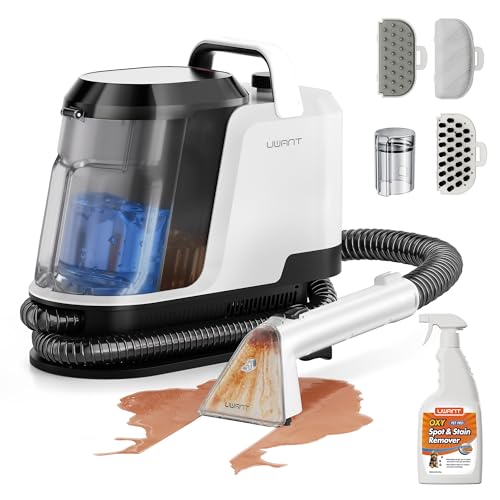
Renting a hot water extraction machine from a local home improvement store is a practical middle ground between routine vacuuming and professional service. The machine injects a cleaning solution and immediately extracts it along with the soil. This is one of the most effective DIY methods for carpets and durable upholstery. Keep in mind that over-wetting can cause mold or delamination, so follow the machine's instructions carefully and allow ample drying time with fans or open windows.
When to Call a Professional
Professional cleaning makes sense in several scenarios: deep-set stains that resist DIY treatment, delicate fabrics that require solvent-based cleaning, large homes with wall-to-wall carpeting, and situations where allergens or pet odors have accumulated over time. Professional-grade equipment extracts more water and soil than consumer machines, and trained technicians can identify fabric types and select the right chemistry.
Before booking, ask about their method, whether they use fabric-specific solutions, and whether they carry insurance. For related maintenance topics, see our guide on couch repair and reupholster couch cushions if your upholstery has reached the end of its cleaning lifecycle.
💡 Pro Tip: Protect Before You Clean
After cleaning, applying a fabric protector can extend the time between deep cleans. A quality protector creates a barrier that repels liquids and makes future spot cleaning easier. Look for products specifically labeled for upholstery and carpets. Related reading: Scotchgard fabric and upholstery protector.
Special Considerations for Pet Owners
Pet owners face unique cleaning challenges — urine, saliva, dander, and tracked-in dirt all accelerate soiling. Enzyme-based cleaners are essential for pet accidents because they break down the proteins that cause lingering odors. For furniture that sees heavy pet use, consider a washable couch cover as a first line of defense. See our guides on pet couch cover for sectional with chaise and dog-friendly couch for furniture selection and protection strategies.
Seasonal and Long-Term Maintenance
Cleaning is not a one-time event. A practical maintenance rhythm looks like this: weekly vacuuming, monthly spot checks on high-use areas, and a deep clean every 6 to 18 months depending on household activity. Homes with pets or young children benefit from a shorter deep-clean interval. Rotating cushions and using furniture protectors reduce wear and extend the intervals between deep cleans.
If you are evaluating whether to clean or replace your furniture, our article on repairing a sagging couch with non-removable cushions and couch savers can help you make a practical decision. And if you are considering a full replacement, the secondhand market is a worthwhile option to explore.
Frequently Asked Questions
How often should I clean my carpet and upholstery?
Most experts recommend deep cleaning carpets and upholstery every 12 to 18 months for average households. Homes with pets, children, or allergy sufferers may benefit from cleaning every 6 to 12 months. Regular vacuuming and spot treatment between deep cleans extends the life of your textiles.
Can I clean my sofa upholstery myself?
Yes, many upholstery types can be cleaned with DIY methods such as vacuuming, spot cleaning, and using a rented extraction machine. Always check the manufacturer's cleaning code first. Water-based cleaners work for most fabrics, but some materials require dry cleaning or professional care.
What is the difference between carpet cleaning and upholstery cleaning?
Carpet cleaning focuses on floor coverings using deep extraction, steam, or dry methods. Upholstery cleaning targets sofas, chairs, and other fabric furniture, requiring gentler techniques and fabric-specific solutions to avoid damage, shrinkage, or color bleeding.
How do I remove pet stains and odors from upholstery?
Blot fresh stains immediately, then apply an enzyme-based cleaner designed for pet stains. Enzymes break down proteins in urine, feces, and vomit. For lingering odors, sprinkle baking soda, let it sit, and vacuum. Repeat as needed and consider professional extraction for deep-set stains.
Ready to Refresh Your Sofa and Carpets?
Explore our hand-picked cleaning tools and upholstery care products to put this guide into action. Every option is evaluated for its tier, usability, and fabric compatibility.
Explore Cleaning Essentials