
How to Fix a Sagging Couch with Non-Removable Cushions
Complete DIY repair guide: restore comfort and support to your sagging sofa cushions without removing them. Save money and extend your couch's life.
Is your couch losing its comfort? Sagging cushions are one of the most common problems with sofas that have non-removable cushions. Unlike removable cushion covers, these fixed cushions require specialized repair techniques. This comprehensive guide will walk you through proven methods to restore your couch's comfort, save money on replacement, and extend its lifespan. Whether you're dealing with foam compression, broken springs, or structural issues, we've got you covered with step-by-step instructions and professional tips.
Why Do Non-Removable Cushions Sag?
Before diving into repairs, it's important to understand what causes sagging in non-removable cushions. Unlike removable cushions that can be easily flipped or rotated, fixed cushions are permanently attached to the couch frame. Over time, the foam core compresses from repeated use, especially in the middle where most people sit. Additionally, the supporting springs or webbing beneath the cushions can weaken or break, causing the cushion to sink. Understanding the root cause is essential for choosing the right repair method. For general maintenance tips, check out our couch care and maintenance guide.
Tools & Materials You'll Need
Essential Tools
- Measuring tape
- Fabric scissors or rotary cutter
- Heavy-duty sewing needle
- Upholstery thread (heavy-duty)
- Pliers
- Screwdriver (flathead)
- Utility knife
Materials Needed
- High-density foam sheet (1-2 inches thick)
- Polyester fiberfill batting
- Spray adhesive or contact cement
- Staple gun with staples
- Zipper (if creating a new cover)
- Duct tape or upholstery tape
1 Assess the Damage & Identify the Problem
Start by examining your couch to determine what's causing the sag. Sit on each seat and note where the sagging occurs. Press down on the cushion to feel if the foam has lost its density or if there's a structural issue below. For non-removable cushions, you'll need to work from underneath or through the back of the couch. If you're unsure about the cause, our cushion repair guide offers additional diagnostic tips. Look for these common signs:
- Foam compression: The cushion feels soft and doesn't spring back.
- Broken springs: You feel a hard spot or hear creaking noises when sitting.
- Worn webbing: The fabric straps underneath have stretched or torn.
- Frame damage: The wooden frame beneath may have cracks or splits.
2 Prepare the Area & Access the Cushion
Since non-removable cushions are permanently attached, you'll need to access them through the couch's underside or rear. Carefully turn the couch onto its side or back (with assistance) and locate the dust cover—the black fabric stapled to the bottom. Remove the staples using pliers to expose the inside. If you have a storage couch, you may have easier access through the storage compartment. Once open, you'll be able to assess the internal structure and reach the cushion foam.
3 Replacing or Reinforcing the Cushion Foam
If the foam core is compressed but not completely deteriorated, you can reinforce it without full replacement. Cut a piece of high-density foam to match the cushion's dimensions and insert it beneath the existing foam, resting on the spring deck. This adds support without removing the old foam. For deeper compression, you may need to replace the entire foam core. Measure the cushion carefully and cut the new foam slightly larger (1/2 inch) to ensure a snug fit. For detailed measurements, refer to our measurement guide.
💡 Pro Tip
When cutting foam, use an electric carving knife for clean, precise edges. Always use high-density foam (2.5+ lb density) for better durability and comfort.
4 Address Spring & Webbing Issues
If the foam is intact but the seat still feels saggy, the springs or webbing may be the culprit. Check the sinuous springs (zigzag springs) for breaks or tension loss. Replace broken springs with new ones of the same gauge. For sagging webbing, you can tighten it by adding additional webbing strips or replacing the worn ones. Use a staple gun to secure new webbing tightly across the frame. This is also a good time to inspect the couch frame for any structural damage that might need fixing.
5 Reassemble & Test Your Repaired Couch
Once you've reinforced the foam and springs, reattach the dust cover using staples. Flip the couch back to its upright position and test each seat. Sit on the repaired areas to ensure they feel firm and supportive. If you notice unevenness, you may need to add additional foam layers. For sectionals, ensure all segments are properly connected. If you have a pull-out sectional, double-check that the bed mechanism still operates smoothly after the repair.
Alternative Solutions & Professional Options
If DIY repair seems daunting or your couch is particularly valuable, consider these alternatives:
Professional Reupholstery
Full professional reupholstery includes new foam, springs, and fabric. Best for high-end or sentimental furniture.
Most DurableCushion Inserts
Pre-made foam inserts that slide under existing cushions. A quick fix for minor sagging issues.
Budget FriendlyProfessional Repair Service
Hire a furniture repair specialist to fix sagging springs and foam. Ideal if you lack tools or confidence.
Stress-FreeFrequently Asked Questions
How long does it take to repair a sagging couch cushion?
The repair process typically takes 2-4 hours for a basic foam reinforcement, while a full spring and foam replacement might take a full day. The time depends on your experience level and the severity of the damage.
Can I fix a sagging couch without removing the cushions?
Yes, with non-removable cushions, you can access the interior through the bottom of the couch. This allows you to add foam supports or fix springs without ever removing the cushions.
What type of foam is best for couch cushions?
High-density polyurethane foam with a density of 2.5-3.0 lb is ideal for most couches. It provides excellent support and durability, lasting 5-10 years with proper care.
How can I prevent my couch cushions from sagging?
Regular rotation of seat cushions, using cushion protectors, and avoiding concentrated weight in one area can extend cushion life. For non-removable cushions, consider using foam inserts as a preventive measure.
🛋️ Key Takeaways
Repairing a sagging couch with non-removable cushions is achievable with the right tools and patience. Start by diagnosing the problem, then choose between reinforcing the foam, replacing springs, or seeking professional help. Regular maintenance and fabric protection can prevent future sagging. Remember to measure carefully and use high-quality materials for the best results. If your couch is beyond repair, consider exploring our recommended alternatives below for a comfortable replacement.
🛍️ Shop Products to Fix Your Sagging Couch
Browse our selection of high-density foam, spring repair kits, and tools to help you restore your couch's comfort. All products are curated to ensure quality and durability.
View Recommended ProductsProducts to Fix Your Sagging Couch
⚠️ AFFILIATE DISCLOSURE: This website contains affiliate links. As an affiliate Associate, we earn from qualifying purchases. If you make a purchase through these links, we may receive a small commission at no additional cost to you. Read our full affiliate policy.

LAVEVE Heavy Duty Couch Cushion Support Board for Sagging Sofa, 21.5''x70''

GORILLA GRIP Couch Cushion Support Board for Sagging Armchairs, 23x19 Gray

TFONSIGI 24" X 24" Couch Cushion Support for Sagging Seat, 40D High Density Foam Sofa Cushion Support, 3 Pcs Sag Repair Pad, Furniture Seat Under Cushions Supporter
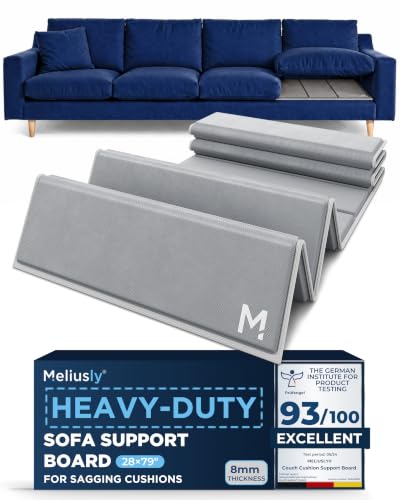
Meliusly Couch Cushion Support Board for Sagging Sofa Cushions (28x79)

Spongiduits Couch Cushion Support for Sagging Seat, 20"x20"x2" 40D High Density Curved Foam Sofa Cushion Support, Under-Cushion Sag Repair,Grey Set of 3

19"x23" Heavy Duty Fix Sagging Armchair Couch Cushion Support Board

BEN'SHOME Deep Seat Couch Cushion Support Board, Sagging Sofa 68-81" x 27"