
Couch Repair: Restore Comfort & Extend Sofa Life
From sagging seats and worn cushions to frame fixes and upholstery restoration — a complete, practical guide to diagnosing, repairing, and protecting your couch so it serves your living room for years to come.
Explore Repair GuidesWhy couch repair matters: A quality couch is one of the largest and most heavily used investments in any living room. Over time, daily sitting, kids, pets, and sunlight take a toll — cushions flatten, springs loosen, fabric frays, and frames creak. Before you consider replacing a sofa, it is worth knowing that many of the most common problems are fixable with the right approach.
This guide walks you through diagnosis, repair methods, material considerations, and long-term protection strategies. Whether you are dealing with a sagging seat, a torn seam, or a leather scuff, you will find a clear path forward — and understand when repair is the smarter move than replacement.
What You Will Find in This Guide
1. Diagnosing Common Couch Problems
Before any repair begins, the first step is an honest diagnosis. Most couch issues fall into a handful of categories, and identifying the root cause determines whether you are looking at a simple fix or a more involved restoration project.
Signs Your Couch Needs Attention
- Sagging seats or backrests: usually caused by compressed foam, stretched webbing, or broken springs.
- Creaking or wobbling frame: often loose joints, weakened wood, or failing corner blocks.
- Fabric wear, pilling, or tears: friction from daily use, pet claws, or sun degradation.
- Flattened or lumpy cushions: foam losing its resilience or batting shifting inside the cover.
- Leather cracking or peeling: dryness, sun exposure, or surface finish breakdown.
- Persistent odors: trapped moisture, pet accidents, or mold in the padding.
For a deeper look at the specific challenge of non-removable cushions, see our guide on repairing a sagging couch with non-removable cushions. If your sofa uses attached cushions throughout, the approach in our sectional with non-removable cushions article will also help you plan the right repair method.
2. Fixing a Sagging Couch
A sagging couch is the most common complaint among sofa owners, and it is usually fixable without replacing the entire piece. The repair depends on whether the sag comes from the cushions, the support deck, or the frame.
Step-by-Step Approach
- Identify the source: Swap cushions between seats. If the sag follows the cushion, the cushion is the problem. If the sag stays in the same spot, the deck or frame is involved.
- Check the deck support: Lift the cushions and inspect the webbing, springs, or sinuous wire. Broken or stretched support is a common cause.
- Reinforce the deck: For webbing, tighten or replace straps. For sinuous wire, add support clips or replace damaged sections. For a plywood deck, add a rigid board cut to size as a reinforcement layer.
- Address the cushions: Replace flattened foam with high-density replacement foam, or add a firm support layer beneath the existing cushion.
- Test and adjust: Reassemble and sit in several positions. Small adjustments to support tension often make a noticeable difference.
Helpful related guides
- Spring replacement — when broken or stretched springs are the root cause.
- Memory foam replacement couch cushions — restoring comfort with modern foam.
- Reupholster couch cushions — combining structural repair with a fresh cover.
3. Cushion Repair & Replacement
Cushions are the most frequently replaced component of a couch, and for good reason — they take the most direct wear. The good news is that cushion repair is one of the most approachable DIY projects and delivers a dramatic improvement in comfort.
When to Repair vs. Replace Cushions
- Repair: The foam core is intact but the cover is torn, the batting has shifted, or the cushion feels slightly flat.
- Replace: The foam has lost all resilience, crumbles when pressed, or has permanent compression lines.
- Upgrade: You want a firmer or softer feel, or a more durable foam formulation for heavy use.
Replacement Foam Options
When selecting replacement foam, focus on density and support rather than appearance. High-density foam holds its shape longer under regular use, while medium-density foam offers a softer initial feel. For a balanced result, a common approach is a firm support core topped with a softer comfort layer. Wrapping foam in batting before inserting it into the cover improves the finish and reduces friction against the fabric.
If your cushion covers are worn but the foam is still good, replacement covers are a practical middle path. Explore cushion covers for couch options and white couch cushions if you are refreshing a light-toned sofa. For chaise components, replacement fabric for chaise lounge chairs covers the fabric side of the equation.
4. Upholstery & Fabric Repair
Fabric damage ranges from minor snags to full seam failure, and the right repair depends on both the type of damage and the fabric itself. Before starting, check the cleaning code tag on the couch — it tells you which methods and products are safe.
Common Fabric Repairs
- Small snags: Do not pull the thread. Use a fine needle to work it back into the weave, then trim only the excess.
- Seam separation: Re-stitch with a curved upholstery needle and heavy-duty thread, matching the original stitch pattern.
- Punctures and small holes: Use an iron-on fabric patch on the reverse side, or a fabric glue designed for upholstery. For visible areas, a matching patch applied from behind gives the cleanest result.
- Pet scratches: Trim loose fibers, then apply a fabric repair kit or consider a slipcover for larger areas.
For pet-related wear in particular, prevention and repair go hand in hand. Our guides on couch savers and pet couch cover for sectional with chaise explain protective options that reduce future damage. If the damage is widespread, a sectional couch slip cover or a 3 cushion couch cover can refresh the look while preserving the couch underneath.
Patching Larger Areas
For tears and worn patches, see our detailed guide on patching a couch. When the fabric is structurally sound but heavily soiled, a thorough shampooing a couch session can restore appearance. For ongoing protection, Scotchgard fabric and upholstery protector helps repel spills and reduces staining.
If the fabric has reached the end of its life across the whole piece, reupholstery becomes the logical next step. Our overview of how to reupholster a couch and the guide on I want to reupholster my couch walk through the process, from fabric selection to final assembly.
5. Leather Couch Repair
Leather ages differently from fabric. Surface scuffs, dryness, and cracking are common, but leather is also one of the most repairable upholstery materials when treated with the right products and patience.
Types of Leather Damage
- Surface scuffs: often removable with a leather cleaner and conditioner.
- Dryness and fine cracks: addressed with regular conditioning before cracks deepen.
- Peeling finish: the topcoat has degraded; a leather repair kit with color matching can restore the surface.
- Tears and punctures: require a subpatch and leather filler, then color matching.
Repair Sequence
- Clean the area with a pH-balanced leather cleaner and let it dry fully.
- For tears, apply a subpatch from behind the leather to stabilize the area.
- Fill with flexible leather filler, building in thin layers rather than one thick application.
- Sand lightly between layers once cured, then apply colorant matched to the original finish.
- Finish with a leather protector to seal the repair and restore sheen.
For a broader restoration project, can you reupholster a leather couch explains when reupholstery is viable versus repair. If you are sourcing a replacement piece, second hand leather couch offers guidance on evaluating used leather. For design context, Chesterfield leather couch and brown leather sectional couch show how leather repairs can preserve classic and modern styles alike.
6. Frame & Spring Repair
Frame and spring issues are less common than cushion wear, but they are the most important to address because they affect structural safety. A wobbly frame or broken spring should be repaired promptly before it damages surrounding components.
Frame Repair Basics
- Loose joints: Reinforce with wood glue and corner braces. Clamp until fully cured.
- Cracked wood: Use a two-part epoxy or replace the affected section if the crack is structural.
- Wobbly legs: Tighten hardware and add felt pads or shims to level the base.
- Creaking: Often caused by friction between wooden components; lubrication or a thin felt layer between joints can silence it.
Spring System Repair
Sinuous wire (zig-zag) springs are common in modern couches. When one breaks, the seat sags unevenly. Replacement clips and individual spring sections are available, and the repair is typically a matter of reattaching the spring to the frame and neighboring springs. For a complete walkthrough, see our spring replacement guide. For an alternative approach that adds long-term support, the deck reinforcement techniques in repairing a sagging couch with non-removable cushions also apply here.
Safety first
- Turn the couch over on a padded surface before working underneath.
- Wear gloves when handling springs and staples.
- If the frame is severely compromised, consult a professional upholsterer.
7. Repair or Replace? Tier Comparison
The decision to repair or replace depends on the couch's overall condition, the extent of the damage, and how the piece fits your long-term plans. The table below compares common scenarios using relative tier descriptors rather than figures.
| Scenario | Couch Tier | Best For | Recommended Approach |
|---|---|---|---|
| Minor cushion flattening | Essential Tier | Everyday sofas in good structural condition | Replace foam or add a support layer; repair is highly worthwhile |
| Torn upholstery on one section | Balanced Tier | Mid-range couches with sound frames | Targeted patching or reupholstering the affected area |
| Widespread fabric wear | Balanced Tier | Couches with quality frames but aged covers | Full reupholstery or a fitted slipcover |
| Leather surface cracking | Premium Tier | Leather sofas with intact structure | Professional leather restoration or a repair kit |
| Frame damage with broken springs | Essential Tier to Balanced Tier | Older couches with sentimental value | Professional assessment; repair if frame is repairable |
| Severe structural failure | Essential Tier | Couches beyond economic repair | Replacement is usually the practical choice |
If you are weighing a new purchase against repair, our guides on buy a new couch and average price of a new couch provide context on what replacement involves. For reupholstery planning, average cost to reupholster a couch outlines what to expect from professional services.
8. Prevention & Long-Term Care
The most effective couch repair is the one you never have to do. A consistent care routine prevents most common damage and extends the life of your sofa significantly.
Daily and Weekly Habits
- Rotate and flip cushions regularly to distribute wear evenly.
- Vacuum upholstery weekly with a soft brush attachment to remove grit that abrades fibers.
- Keep the couch out of direct sunlight to prevent fading and fabric degradation.
- Address spills immediately by blotting — never rubbing — with a clean cloth.
Protective Measures
- Use a fabric protector on new or newly cleaned upholstery to repel liquids and reduce staining.
- For pets, use washable covers and keep claws trimmed. See pet friendly sofas and the pet owner guide for furniture selection and protection advice.
- For households with dogs, dog friendly couch and is polyester couch good for dogs offer material guidance that reduces wear.
- Use felt pads under legs to prevent floor scratches and reduce stress on the frame.
For professional-level cleaning between repairs, affordable carpet and upholstery cleaning services can refresh the entire piece and reveal developing issues early. If your couch is under warranty, always check the terms before attempting a repair — our warranty claims guide explains how to proceed without voiding coverage.
9. Frequently Asked Questions
Can I repair a sagging couch myself?
Yes, in most cases. Sagging is typically caused by compressed foam, stretched webbing, or a broken spring. Replacing foam, reinforcing the deck, or reattaching a spring are all manageable DIY repairs with basic tools. If the frame is cracked or multiple springs are broken, a professional assessment is wise.
How do I know if my couch cushions need replacing or just new covers?
Press firmly on the cushion. If the foam rebounds quickly and feels supportive, the core is healthy and new covers may be enough. If the foam stays compressed, crumbles, or feels uneven, replacement foam will restore comfort more effectively.
Is it better to reupholster or buy a new couch?
It depends on the frame quality and the extent of the damage. A well-built couch with a solid frame is often worth reupholstering, especially if the style suits your room. If the frame is failing or the repair scope is extensive across an entry-level piece, replacement may be the more practical path.
How often should I condition a leather couch?
Every three to six months is a reasonable routine for most homes. In dry climates or during winter heating season, more frequent conditioning helps prevent cracking. Always clean the surface before applying conditioner.
Can pet scratches be repaired on fabric upholstery?
Minor snags can often be worked back into the weave and trimmed. Larger scratches may need a fabric patch or a slipcover. For ongoing protection, washable covers and regular nail trimming are the most effective preventive measures.
What is the first step before starting any couch repair?
Diagnose the problem accurately. Identify whether the issue is in the cushions, the support deck, the springs, the frame, or the upholstery. A correct diagnosis prevents unnecessary work and ensures the repair addresses the real cause rather than a symptom.
Recommended Couch Repair Tools & Materials
⚠️ AFFILIATE DISCLOSURE: This website contains affiliate links. As an affiliate Associate, we earn from qualifying purchases. If you make a purchase through these links, we may receive a small commission at no additional cost to you. Read our full affiliate policy.

Gheeidau Linen Repair Tape 4x70 Inch Self-Adhesive Couch Patch Repair Fabric Patch for Furniture,Sofas,Cushion,Chairs,Bags,Linen Goods(Dark Grey)
Check price on Amazon
GORILLA GRIP Couch Cushion Support Board for Sagging Sofas, 21.5x70 Grey | Heavy Duty Slip Resistant Thick Boards Add Strong Seat Supports for Couch, Replacement Stuffing Firmer Couches Accessories
Check price on Amazon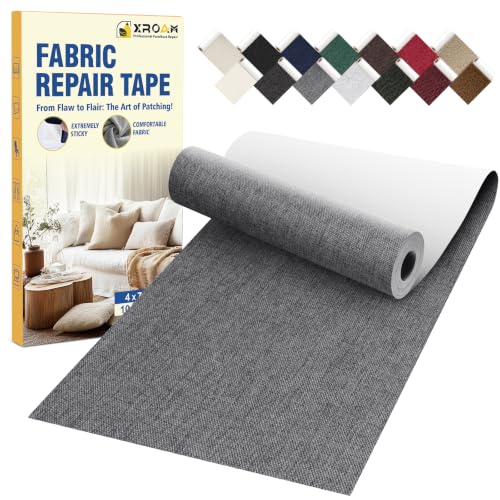
Xroam Self Adhesive Linen Fabric Repair Tape Kit, 4"x79" Upholstery Tape | Dark Grey Couch Patch Repair Fabric Patches for Furniture, Sofa, Cushion, Chair, Pillow, Carpet, Car Seat
Check price on Amazon
PLANTIONAL Upholstery Repair Sewing Kit, Heavy Duty Sewing Kit, 47PCS | Sewing Kit, Large-Eye Needles, Sewing Awl, Seam Ripper, Sewing Thread, Upholstery Repair, Leather Craft,DIY Crafts, Travel
Check price on Amazon
LAVEVE Heavy Duty Couch Cushion Support Board for Sagging Sofa, 21.5''x70'' | Extra Thick Solid Wood Under Couch Insert with Anti-Slip Dots, Repair Sagging Spring Sofa and Replace Worn Cushions
Check price on Amazon
BAGERLA Upholstery Repair Kit, 50 Pcs Heavy Duty Sewing Kit with 8 Colors Thread 32 Pcs Upholstery Needles, Sewing Awls for Hand Stitching Car Sofa Shoe Backpack Craft DIY
Check price on Amazon
BSZHTECH Leather Repair Tape Self-Adhesive Leather Repair Patch for Couch Furniture Sofas Car Seats Advanced PU Vinyl Leather Repair Kit (Dark Brown, 3.9X79 inch)
Check price on Amazon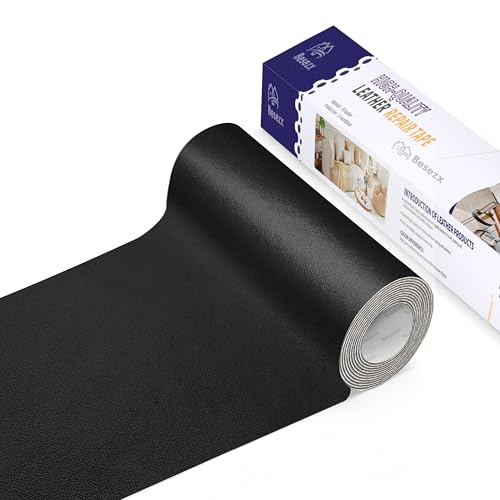
Besezx Leather Repair Patch Tape Kit,Vinyl Repair Kit,Self Adhesive Leather Repair for Furniture, Couch, Sofa, Car Seats,Office Chair.3.1inx60in-Black
Check price on AmazonReady to Restore Your Couch?
Explore our full library of couch care and maintenance guides — from stain removal and cleaning to structural repairs and upholstery restoration. Every guide is written to help you make confident, informed decisions for your living room.
Browse Couch Care Guides