
Memory Foam Replacement Couch Cushions
Turn a sagging, uncomfortable sofa back into the best seat in the house. This guide explains how memory foam replacement cushions work, how to measure and choose density, how to match covers, and which tier fits your situation.
Explore Cushion OptionsWhy Choose Memory Foam Replacement Cushions?
A couch frame can last for many years, but the cushions usually give out first. Foam flattens, fibers compress, and the seating area starts to feel like a hammock. Instead of replacing the entire sofa, memory foam replacement couch cushions let you restore comfort while keeping the frame, fabric, and style you already like.
Memory foam is popular for cushion inserts because it conforms to body shape, redistributes weight, and reduces pressure points. Unlike standard polyurethane foam that can soften quickly, a quality memory foam insert is designed to recover its shape after use. It is also a strong choice for households that sit in the same spot every evening, because it resists the localized flattening that ruins conventional cushions.
There are practical benefits beyond comfort. Replacing just the cushion inserts is a lighter and simpler project than moving a full sofa, and it extends the usable life of an otherwise solid piece of furniture. If the upholstery itself is still in good shape, new inserts are one of the most efficient ways to improve a living room. For deeper repairs that involve fabric or leather, see our guides on reupholstering couch cushions and repairing a sagging couch with non-removable cushions.
Memory foam also works well in specific sofa types. Sectionals with removable covers are easy to refresh, while attached-back models need a different approach; our article on a slipcover for a couch with attached back pillows explains how to handle those designs. And if you are weighing a full replacement instead of new cushions, our guide on buying a new couch covers the decision factors.
Signs Your Couch Cushions Need Replacing
Not every soft cushion needs to be replaced. Some issues are cosmetic, while others point to structural foam breakdown. Use this checklist to decide whether new inserts are the right fix.
- Visible flattening: The seat no longer springs back after you stand up, and the cushion stays compressed.
- Bottoming out: You can feel the frame or the deck through the cushion when seated.
- Lumpy or uneven surface: The filling has shifted, bunched, or separated inside the cover.
- Crumbling or powdering foam: If the foam inside breaks apart when touched, it has degraded and cannot be restored.
- Sagging center with firm edges: This usually indicates compressed foam rather than a broken frame.
- Persistent odors or stains: Deep contamination inside the foam is difficult to remove and may justify replacement.
- Constant readjusting: If you fluff the cushions every day, the support layer has likely lost resilience.
If the frame creaks, wobbles, or has broken springs, cushion replacement alone will not solve the problem. In those cases, evaluate couch repair or spring replacement before investing in new inserts. For cushions that are still structurally sound but stained or worn on the outside, cushion covers for couch may be enough.
Density and Firmness Explained
The two numbers that matter most when choosing memory foam replacement couch cushions are density and firmness (often called ILD or compression). They are related but not the same, and understanding the difference helps you avoid a cushion that feels wrong after a few weeks.
Density
Density describes how much foam material is packed into a given volume, usually expressed in pounds per cubic foot. Higher-density foam is heavier, more supportive, and generally more durable. It resists compression over time and holds its shape better in high-use seating positions. Lower-density foam feels lighter and softer initially, but it tends to break down faster, especially in the seat where most weight is concentrated.
Firmness
Firmness describes how the foam feels when pressed. Two cushions can have the same density but different firmness. A medium-firm memory foam insert is the most versatile choice for a main sofa because it supports the body without feeling rigid. Soft foam suits occasional seating and back cushions, while firm foam works well for large seat cushions or users who prefer a more structured sit.
The Memory Foam Layer
Many replacement cushions use a layered construction: a supportive base foam with a memory foam top layer. This combination gives you the contouring comfort of memory foam plus the durability of a firmer core. A full memory foam insert is softer and more conforming but can feel warm and slow to recover. For a balanced feel, a hybrid insert with a memory foam comfort layer over high-density support foam is often the best choice.
Practical rule of thumb: For seat cushions used daily, prioritize density over initial softness. A mid-range or high-end tier insert with a memory foam comfort layer usually outperforms a very soft entry-level cushion that feels great in the showroom but flattens within months.
How to Measure for Replacement Cushions
Accurate measurements are the difference between a cushion that fits cleanly and one that bulges, gaps, or slides. Measure the existing cushion, not the sofa opening, because covers are sized to the insert. If the old cushion has lost its shape, measure the cover when it is zipped closed and lying flat.
- Measure length: Measure the longest side of the cushion from seam to seam, front to back or side to side depending on orientation.
- Measure width: Measure the shorter horizontal side, again seam to seam. Do not stretch the fabric.
- Measure thickness: Measure the cushion height from the top surface to the bottom surface at the center. For tapered or crowned cushions, measure the thickest point.
- Check the corners: Note whether the cushion has square corners, rounded corners, or a T-shape. These details affect fit.
- Add tolerance: Most insert suppliers recommend a small allowance. A cushion that is slightly larger than the cover compresses for a full look, while an undersized insert looks limp.
- Confirm the cover type: Removable zippered covers are straightforward. For attached or non-removable cushions, measure the cushion in place and review our guide to sectionals with non-removable cushions.
Record all measurements in a single note and take photos of the cushion shape. If you order online, compare your numbers against the supplier's sizing chart rather than assuming a standard size will fit. Odd-shaped cushions, chaise sections, and corner pieces frequently require custom sizing.
Covers, Fit, and Finishing Details
The insert provides support, but the cover controls how the cushion looks and how easily it can be cleaned. When replacing cushions, decide whether you will reuse the existing covers or pair the inserts with new ones.
- Reusing covers: Check zippers, seams, and fabric condition. A worn cover can fail soon after the insert is replaced, so inspect carefully before committing.
- New covers: Choose a fabric that matches your household. Performance fabrics resist stains and are easier to clean; textured weaves hide wear better than flat, light fabrics.
- White and light tones: These look fresh but show marks quickly. Our guide on white couch cushions covers cleaning and protection strategies.
- Pet households: Durable, tightly woven covers reduce snags and scratches. If pets are a concern, review couch material that cats won't scratch and the broader pet owner guide.
- Protection: A fabric protector can extend the life of new covers. See Scotchgard fabric and upholstery protector for application guidance.
Fit matters as much as fabric. A cover that is too tight stresses the seams; one that is too loose wrinkles and shifts. If you are keeping the sofa and refreshing its appearance, a coordinated approach with throw pillows and a 3-cushion couch cover can tie the room together.
Recommended Memory Foam Couch Cushions
⚠️ AFFILIATE DISCLOSURE: This website contains affiliate links. As an affiliate Associate, we earn from qualifying purchases. If you make a purchase through these links, we may receive a small commission at no additional cost to you. Read our full affiliate policy.

HOMBYS Memory Foam Couch Cushion Replacement, High Density Upholstery Foam Wrapped with Memory Foam & Polyester Batting, Sofa Cushions Inserts with Dacron Fiber Layer,with Removable Cover,6"x24"x27"
Check price on Amazon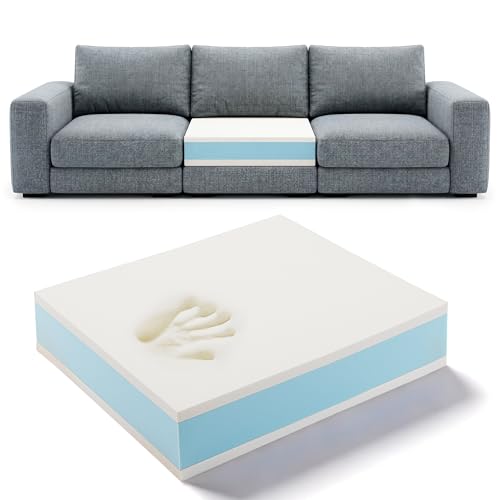
BALAPET Memory Foam Couch Cushion Replacement, Sofa Cushion Replacement Insert, 3-Layer Foam Seat Cushion, Upholstery Foam for Couch Chair Seat, Cuttable DIY, No Cover(27×24×6in)
Check price on Amazon
HOMBYS Memory Foam Couch Cushion Replacement, High Density Upholstery Foam Wrapped with Memory Foam & Polyester Batting, Sofa Cushions Inserts with Dacron Fiber Layer,with Removable Cover,6"x24"x24"
Check price on Amazon
Upholstery Foam Pad, 72"x24"x5" High Density Memory Foam for Cushions | Cut-to-Size Furniture Padding, Support Foam for Seat, Pillow & Couch Cushion Replacement, Sofa, Chair & Home DIY Projects
Check price on Amazon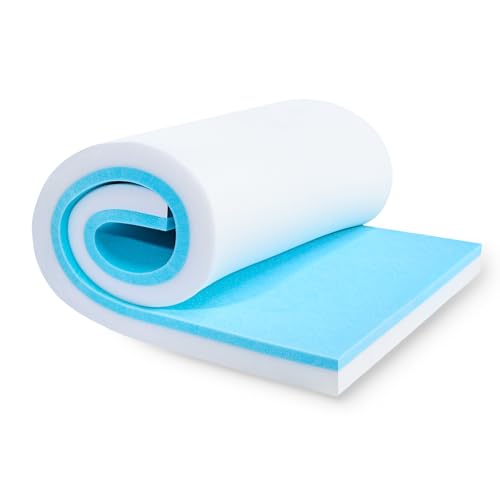
Upholstery Foam, 72" x 24" x 1" High Density Gel Memory Foam Padding Couch Cushion Support, Cut to Size Foam Replacement Pad for Sofa Sag Support
Check price on Amazon
FOUXTEL Extra Thickness 5 Layer Couch Cushion Replacement, 22"x24"x6" Sofa Cushions Replacement, Memory Foam Upholstery Cushion, Supportive&Soft Sofa Cushion Foam with Removable Cover
Check price on Amazon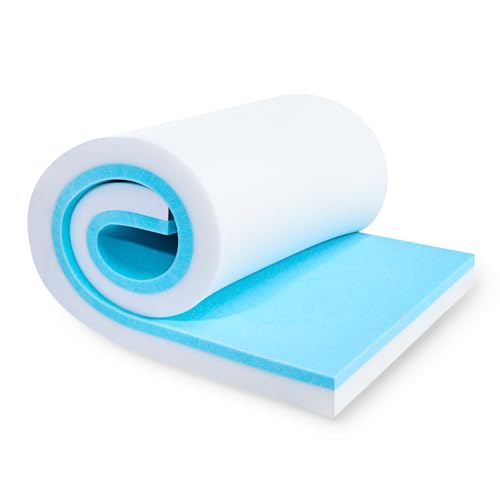
Upholstery Foam, 72" x 24" x 2" High Density Gel Memory Foam Padding Couch Cushion Support, Cut to Size Foam Replacement Pad for Sofa Sag Support
Check price on AmazonCushion Tiers Compared
Replacement cushions vary widely in construction. Instead of shopping by number, use tier descriptors to compare products on the qualities that actually affect comfort and lifespan. The table below summarizes what each tier typically delivers.
| Tier | Best For | Foam Construction | Expected Lifespan |
|---|---|---|---|
| Entry-Level | Guest rooms, occasional seating, light daily use | Standard polyurethane with a thin memory foam layer | Shorter; may soften noticeably with daily use |
| Mid-Range | Primary family sofa, moderate daily use | High-density support core with a memory foam comfort layer | Balanced; retains shape well under regular use |
| Premium | Heavy daily use, large seat cushions, users needing firm support | High-density core, thicker memory foam layer, reinforced edges | Longer; resists compression and edge breakdown |
| Luxury | Statement sofas, custom sizes, maximum comfort priority | Multi-layer engineered foam, premium memory foam, tailored construction | Longest; designed for sustained comfort and shape retention |
Within each tier, check the listed density and firmness rather than relying on marketing language alone. A well-specified mid-range cushion can outperform a poorly made premium one. If your sofa sees hours of daily use, the mid-range and premium tiers are the most sensible starting points.
Step-by-Step Installation
Installing replacement cushions is a straightforward project that most homeowners can complete in under an hour per cushion.
- Unzip and remove the old insert: Work carefully to avoid tearing the cover. If the old foam is crumbling, take it outside before opening the cover to contain the mess.
- Vacuum the cover interior: Remove loose foam dust, crumbs, and debris. A clean interior prevents grit from wearing against the new foam.
- Let the new insert expand: Memory foam cushions are often compressed for shipping. Allow them to fully expand in a warm room before fitting, following the supplier's instructions.
- Insert the foam: Fold or roll the cushion slightly and ease it into the cover. Work the corners in first, then smooth the foam toward the center.
- Zip and adjust: Close the zipper slowly, checking that the foam is not caught in the teeth. Press the cushion into shape and let it settle for several hours.
- Rotate for even wear: Once installed, rotate and flip cushions periodically to distribute compression evenly.
For cushions with attached backs or non-standard shapes, review the relevant guides before starting, such as sectionals with non-removable cushions and replacement couch for motorhome if you are working in an RV.
Repair, Replace, or Reupholster?
New cushion inserts are one option among several. The right choice depends on the condition of the frame, the covers, and the overall sofa.
- Repair: Best when the foam is intact but the cover has a small tear or the cushion has lost shape temporarily. See patching a couch and couch repair.
- Replace inserts: Best when the frame and covers are sound but the foam has flattened or crumbled.
- Reupholster: Best when the fabric is worn through or the style no longer fits. Our guides on how to reupholster a couch, reupholstering your couch, and reupholstering a leather couch cover the process and considerations.
- Replace the sofa: Best when the frame is broken, the sofa is uncomfortable in multiple ways, or the repair effort exceeds the value of the piece.
If you are comparing long-term options, a second-hand leather couch or a cheap nice couch may be worth evaluating, though a well-maintained frame with new inserts is often the more sustainable choice. For cushions only, cushion covers for couch can refresh the look without replacing the foam.
Care and Longevity
Memory foam cushions last longer with simple, consistent care. The goal is to reduce compression and moisture exposure while keeping the covers clean.
- Rotate and flip: Rotate seat cushions weekly or monthly so wear is distributed. Flip them if the cover allows.
- Keep them dry: Wipe spills promptly and avoid soaking the foam. Memory foam traps moisture, which can lead to odors and mold.
- Clean covers regularly: Follow the fabric care label. For deeper cleaning, see shampooing a couch and upholstery cleaning options.
- Use protectors: A fabric protector on new covers reduces staining and makes routine cleaning easier.
- Avoid direct sun: Prolonged sunlight degrades foam and fades fabric. Position the sofa away from intense, direct exposure.
- Manage pets: Use washable throws and consider couch savers or a pet couch cover for sectional with chaise to protect the seating surface.
Frequently Asked Questions
How do I know if my couch needs new cushions or a new sofa?
If the frame is solid, the sofa is comfortable in other areas, and only the seat cushions have flattened, replacement inserts are usually the right choice. If the frame creaks, wobbles, or has broken springs, evaluate repair first. A sofa with multiple structural problems may not be worth refreshing.
What density should I choose for a memory foam couch cushion?
For daily-use seat cushions, choose a high-density support core with a memory foam comfort layer. If you prefer a firmer seat, look for a higher-density core. If the cushion is used occasionally, a mid-range density is often sufficient. Always compare the listed density and firmness rather than relying on the label alone.
Can I put memory foam cushions in my existing covers?
Yes, provided the measurements match. Measure the existing cover when zipped and flat, then compare those dimensions to the insert specifications. If the old cover is worn or the zipper is failing, replace the cover at the same time to avoid a second project later.
Why does my new memory foam cushion feel too firm at first?
Memory foam often feels firmer when new and softens slightly with use. Temperature also affects feel: memory foam is firmer in cool rooms and softer in warm ones. Allow a few days of use before judging the firmness, and check that the insert has fully expanded after shipping.
How long do memory foam replacement cushions last?
Lifespan depends on density, construction, and use. Entry-level cushions may soften noticeably within a shorter period under daily use, while mid-range and premium inserts generally retain their shape longer. Rotating cushions and keeping them dry extends usable life.
Can I use memory foam cushions for back cushions too?
Yes, but choose a softer firmness for back cushions so they conform rather than push. Seat cushions need more support; back cushions benefit from a softer memory foam layer. If you are replacing both, order seat and back inserts separately.
What if my couch has non-removable cushions?
You can still improve comfort, but the approach differs. Measure in place and consider a cushion topper or a slipcover designed for attached cushions. Our guide to sectionals with non-removable cushions explains the options in detail.
Related reading: If your cushions are still structurally sound but the sofa looks tired, explore cushion covers for couch, throw pillows, and couch styling for a lower-effort refresh. For worn or torn covers, reupholstering couch cushions may be the better route.