Cheap Nice Couch: How to Find Style and Comfort Without Compromise
Finding a nice couch that fits your space, style, and daily routine doesn't have to feel like a gamble. This guide walks you through the practical side of choosing a quality sofa — how to spot solid construction, which materials hold up over time, and where entry-level and mid-tier models genuinely deliver. Whether you're furnishing a first apartment, upgrading a family room, or refreshing a rental, you'll finish this article with a clear, confident plan for your next couch purchase.
What Makes a Couch "Nice" — and Why It Matters
A nice couch is more than a good-looking piece of furniture. It's the anchor of your living room: the seat you sink into after a long day, the backdrop for movie nights, and the first thing guests notice when they walk in. When shoppers search for a cheap nice couch, they're usually balancing three priorities — appearance, durability, and comfort — while keeping their overall investment sensible.
The good news is that the furniture market has matured. Entry-level and mid-range sofas now use better foam densities, reinforced frame joinery, and performance fabrics that were once reserved for premium models. The trick is knowing where manufacturers cut corners and where they don't. That's what this guide is designed to help you evaluate — without relying on price tags as your only signal.
Start With the Frame: The Skeleton of a Nice Couch
The frame is the single most important indicator of how long a couch will last. A solid hardwood frame — kiln-dried oak, maple, or ash — resists warping and holds its shape for years. Engineered wood and plywood are common in entry-level and mid-tier couches and can be perfectly serviceable when the joinery is reinforced with corner blocks and dowels.
When you're evaluating a couch, look for these frame signals:
- Corner blocks and doweled joints: A sign of reinforced construction that prevents wobble over time.
- Kiln-dried hardwood: Reduces moisture content and minimizes cracking or warping.
- Sinuous wire or eight-way hand-tied springs: Sinuous wire is standard in entry-level and mid-tier couches; hand-tied springs appear in high-end and premium models.
- No creaking or flexing when you gently press the arms and back corners.
Quick test: Lift one front corner of the couch a few inches off the floor. If the opposite corner lifts at the same time, the frame is rigid and well-built. If it sags or twists, the frame is weaker.
Cushion Quality: Where Comfort Lives
Cushions are the part of the couch you interact with most, and they're also where manufacturers often make trade-offs to hit a lower tier. High-resilience foam (often rated 1.8 lb/ft³ or higher) bounces back quickly and resists flattening. Low-density foam feels soft in the showroom but compresses within months.
Mid-range couches frequently combine high-resilience foam with a wrapped fiber layer for a softer hand-feel. Premium and luxury tiers may use down-blend or memory foam cores. For most households, a high-resilience foam core with a fiber wrap offers the best balance of support and comfort.
If you're concerned about long-term cushion performance, look for couches with removable, reversible cushions — they wear more evenly and are easier to refresh. For deeper maintenance guidance, see our article on memory foam replacement couch cushions.
Upholstery Materials: Matching Fabric to Your Lifestyle
The fabric you choose affects durability, maintenance, and how the couch ages. Here's how the most common options compare:
| Material | Best For | Durability Notes |
|---|---|---|
| Polyester blends | Entry-level and mid-tier couches, family rooms | Stain-resistant, easy to clean, holds color well |
| Performance fabric (e.g., Crypton, Sunbrella) | Homes with kids, pets, or high traffic | Moisture-resistant, resists stains and fading |
| Cotton and linen blends | Casual, breathable living spaces | Soft hand-feel; may wrinkle and fade over time |
| Leather (top-grain or bonded) | Long-term use, formal or contemporary rooms | Top-grain ages beautifully; bonded leather is less durable |
| Velvet and microfiber | Cozy, textured interiors | Soft and warm; requires regular brushing and care |
If you have pets, prioritize performance fabric or tightly woven polyester — they resist snags and clean up easily. Our guide to dog-friendly couches and pet-friendly sofas goes deeper into material selection for animal households.
Size and Layout: Getting the Fit Right
A nice couch that doesn't fit your room will never feel right. Before you shop, measure your space carefully:
- Measure the full length of the wall where the couch will sit.
- Leave at least 18 inches of walkway clearance on main traffic paths.
- Account for doorway and hallway widths during delivery.
- Mark the couch footprint on the floor with painter's tape to visualize the fit.
- Check that the couch height doesn't block windows or outlets you use regularly.
For compact rooms, a loveseat or two-seater often works better than a full-size sofa. Explore our guides to 2-seater couches and small space layouts for layout strategies that maximize comfort without crowding the room.
Style That Endures: Choosing a Look You'll Love
Trendy couches can date quickly. A nice couch in a classic silhouette — track arm, roll arm, or clean modern lines — stays stylish for years and adapts easily to changing decor. Neutral upholstery in warm greys, oatmeal, sage, or navy offers flexibility for throw pillows and accessories.
If you're drawn to a specific look, our style guides can help you narrow down options:
- Contemporary couches for clean, streamlined living rooms.
- Vintage green couches for a character-rich, eclectic feel.
- Blue velvet couch living room ideas for a bold, luxurious accent.
- Chesterfield leather couches for a timeless, formal statement.
Tier Guide: What to Expect at Each Level
Instead of focusing on price alone, use tier descriptors to set realistic expectations. Here's how couch quality generally scales:
| Tier | Typical Construction | Best For |
|---|---|---|
| Entry-level | Engineered wood frame, sinuous wire springs, standard foam cushions | First apartments, rentals, light-use spaces |
| Mid-range | Hardwood or reinforced engineered frame, high-resilience foam, performance fabric options | Family rooms, everyday living, long-term use |
| Premium | Kiln-dried hardwood, eight-way hand-tied springs, down-blend or high-density foam | Primary living spaces, design-focused homes |
| Luxury | Solid hardwood, hand-tied springs, premium leather or designer fabric | Formal living rooms, statement furniture |
Mid-range couches often offer the best balance for most households — they include reinforced frames, better cushion foam, and fabric upgrades that make a noticeable difference in daily comfort. If you're exploring pre-owned options, our secondhand market guide explains how to evaluate used couches for quality and longevity.
Ready to Explore Your Options?
Browse our curated selection of recommended couches below, or continue reading for maintenance tips and buying checklists.
Where to Look: Smart Shopping Channels
The channel you buy from matters as much as the couch itself. Online retailers often offer broader selection and detailed specifications, while in-store shopping lets you test comfort directly. Many shoppers use a hybrid approach: research online, then visit a local showroom to sit on a few models before ordering.
If you're considering buying a new couch, our guide on how to buy a new couch covers the full process from research to delivery. For online options, explore our collection of good-priced couches and cheap nice couches for curated picks that balance quality and style.
Maintenance and Longevity: Protecting Your Investment
A nice couch stays nice with consistent care. Rotate cushions monthly to distribute wear, vacuum upholstery every two weeks, and address spills immediately with a clean, damp cloth. For fabric couches, consider a fabric protector to extend stain resistance.
If you want to keep your couch looking fresh for years, these guides are worth bookmarking:
- Scotchgard fabric and upholstery protector — extends stain resistance.
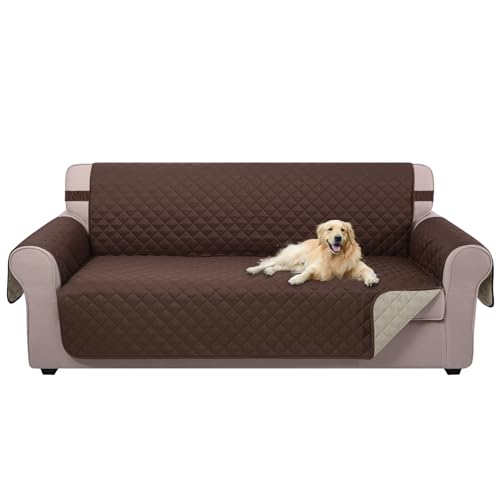
- Couch savers — practical tools for daily protection.
- Cushion covers for couches — refresh worn or stained cushions.
- Shampooing a couch — deep-cleaning guidance for fabric upholstery.
- Repairing a sagging couch — fixes for couches with attached cushions.
Common Mistakes to Avoid
Even experienced shoppers can stumble on a few common pitfalls. Here's what to watch for:
- Skipping the sit test: Always sit on a couch for at least five minutes before committing. Comfort is personal.
- Ignoring door and stair measurements: Delivery challenges are frustrating and sometimes costly to resolve.
- Overlooking cushion fill: Ask what's inside the cushions — foam density and wrap layers matter.
- Choosing fabric by look alone: A beautiful fabric that doesn't match your lifestyle will wear poorly.
- Forgetting about pets and kids: Performance fabric and washable covers save time and stress.
- Not checking the return policy: Confirm delivery, inspection, and return terms before ordering — our warranty claims guide explains what to look for.
Frequently Asked Questions
How can I tell if a couch is well-built without sitting on it for years?
Check the frame material and joinery, press the cushions to test rebound, lift a corner to test frame rigidity, and look for reinforced corner blocks. These signals tell you more about long-term durability than surface appearance alone.
Are entry-level couches suitable for daily use?
Entry-level couches can work well in light-use spaces like guest rooms or first apartments. For daily family use, mid-range models typically offer better cushion foam, stronger frames, and more durable fabrics — making them a more efficient long-term choice.
What fabric is best for homes with pets?
Performance fabrics and tightly woven polyester blends resist snags, stains, and moisture best. Leather is also a strong option if you prefer its look and feel. Our pet owner guide covers this in more detail.
Should I buy a couch online or in person?
Many shoppers research online for selection and specifications, then visit a showroom to test comfort. If buying online, confirm the return policy and delivery terms before ordering.
How do I keep a light-colored couch looking fresh?
Vacuum regularly, use a fabric protector, and clean spills promptly. Removable cushion covers and washable throws add extra protection. Our guide to white couch cushions offers care tips for light upholstery.
Final Checklist Before You Decide
- Measured your room, doorways, and delivery path.
- Confirmed the frame material and joinery quality.
- Tested cushion rebound and comfort.
- Matched upholstery to your household's daily life.
- Reviewed the return policy and warranty terms.
- Checked for removable, reversible cushions where possible.
- Planned a basic maintenance routine.
With these steps, you're well-equipped to choose a nice couch that fits your space, your style, and your daily routine — one you'll enjoy for years. For more buying guidance, explore our buying guides section or reach out through our contact page.