
Couch with Cushions: The Complete Buying Guide
Discover how cushion type, fill material, and construction shape the comfort and durability of your next couch. Learn what to look for before you choose the right sofa for your living room.
START LEARNINGWhy cushions matter more than you think: The cushions on a couch determine how it feels every single day. A well-cushioned sofa supports your back, holds its shape for years, and makes your living room the place everyone wants to sit. This guide walks you through cushion types, fill materials, firmness, maintenance, and how to match a cushioned couch to your space and lifestyle.
Why the Cushions Make or Break a Couch
When shoppers look at a couch, they often focus on the frame or the fabric. But the cushions are what you actually feel. A sturdy frame with poorly designed cushions will feel uncomfortable within minutes, while a well-cushioned couch can make even a simple design feel luxurious.
Cushions serve three core purposes. First, they distribute body weight so you don't feel the frame underneath. Second, they provide back and lumbar support that keeps your posture healthy during long sitting sessions. Third, they shape the visual character of the couch — deep plush cushions read as relaxed and cozy, while tight tailored cushions read as formal and structured.
Because cushions are the most-used component of any sofa, they also wear out first. Understanding cushion construction before you buy helps you avoid a couch that looks great in the showroom but feels flat within a year. For a broader look at sofa categories, explore our guide on what a sectional couch is and how cushion configuration differs across styles.
The Main Types of Couch Cushions
Not all cushions are built the same. The type of cushion affects firmness, maintenance, and how the couch ages. Here are the most common cushion types you will encounter:
Seat Cushions
The large horizontal cushions you sit on. These bear the most weight and determine the primary firmness of the couch. They are usually the first to show wear.
Back Cushions
The vertical cushions behind your back. They influence lumbar support and the overall look of the sofa. Some are loose and removable, others are attached.
Tight-Back Cushions
Upholstered directly into the frame with no removable cushion. They look clean and tailored but offer less adjustability and are harder to deep clean.
Loose Pillow-Back Cushions
Removable back cushions that can be fluffed, rotated, and replaced. They offer a relaxed look and more flexibility for comfort preferences.
Bench Seat Cushions
A single long cushion spanning the full seat width. It creates a clean, modern look but can be harder to rotate for even wear.
Individual Seat Cushions
Separate cushions for each seat. They allow rotation for even wear and are easier to replace individually when one wears out.
If you are outfitting a smaller room, cushion design matters even more because compact sofas rely on smart cushioning to stay comfortable. Our guide on a small sectional with chaise shows how cushion layout changes in tighter spaces.
Cushion Fill Materials Explained
The fill inside a cushion determines how it feels, how it recovers, and how long it lasts. Most couches use one of the following fill types, sometimes in combination:
High-Density Foam
Foam is the most common cushion fill. High-density foam provides firm, consistent support and holds its shape well over time. It is a strong choice for households that use the couch daily. Lower-density foam feels softer at first but compresses faster. When shopping, ask about foam density — higher density generally means better durability.
Down and Feather
Down-filled cushions offer a plush, sink-in feel that many people associate with luxury. They are soft and mold to your body, but they require frequent fluffing and can lose loft over time. Down is also a consideration for people with allergies.
Foam Wrapped in Down
This hybrid combines a foam core for support with a down wrap for softness. It is one of the most balanced options available and is common in mid-range and premium couches. You get the structure of foam with the comfort of down.
Polyester Fiberfill
Fiberfill is a synthetic alternative to down. It is lightweight and soft but compresses more quickly than foam. It is often used in back cushions and decorative throw pillows rather than primary seat cushions.
Memory Foam
Memory foam contours to your body and relieves pressure points. It is found in some modern couches and sleeper sofas. It can feel warm and may recover slowly, which some people love and others dislike.
Pocket Springs and Foam Combinations
Some higher-end couches use pocket springs encased in foam for seat cushions. This creates a responsive, supportive feel similar to a quality mattress. It is common in premium and luxury tiers.
If you are comparing upholstery materials alongside cushion fills, our guide on leather vs faux leather couches explains how each surface interacts with cushion comfort and maintenance.
Choosing the Right Firmness Level
Cushion firmness is personal, but it also affects how the couch ages and who can use it comfortably. Here is how to think about firmness:
- Firm cushions offer strong support and are easier to stand up from. They suit people with back concerns, taller users, and households that host frequently. Firm cushions also tend to hold their shape longer.
- Medium-firm cushions are the most versatile. They balance support with comfort and work well for most families and living rooms.
- Soft cushions feel plush and inviting. They suit lounging and relaxation but may compress faster and require more maintenance. Soft cushions are often preferred by people who like to sink into a couch.
Try to sit on the couch for at least ten minutes before deciding. A cushion that feels great for thirty seconds may feel too soft or too firm after a longer sitting session. If you are buying online, read reviews that specifically mention cushion firmness and long-term shape retention.
For households that need a couch to serve multiple functions, cushion firmness also affects how well a sleeper sofa works. Our guide on a couch with pull-out bed explains how cushion design changes in convertible models.
Cushion Quality Tiers: What to Expect
Not every couch with cushions is built to the same standard. The table below outlines what cushion construction typically looks like across quality tiers. Use it as a reference when comparing options, and remember that tier positioning is about relative market position, not a fixed number.
| Tier | Cushion Construction | Durability | Best For |
|---|---|---|---|
| Essential Tier | Standard foam fill, basic fabric covers, limited cushion rotation options | Moderate — suitable for light to average use | Guest rooms, occasional seating, starter apartments |
| Balanced Tier | High-density foam, removable covers, individual seat cushions for rotation | Good — holds shape well with regular care | Daily family living, main living room seating |
| Premium Tier | Foam wrapped in down or fiber, reinforced stitching, pocket spring options | High — designed for long-term daily use | Primary living rooms, households that host often |
| Luxury Tier | Premium down blends, high-resilience foam cores, tailored removable covers, detailed construction | Excellent — built for longevity and shape retention | Design-focused living rooms, long-term investment seating |
The tier that suits you depends on how much use the couch will get and how important long-term shape retention is to you. A balanced-tier couch with high-density foam is often the most practical choice for everyday family living, while a premium or luxury tier makes sense when the couch is a centerpiece you plan to keep for many years.
Cushion Covers, Cleaning, and Long-Term Care
The covers on your cushions affect both appearance and maintenance. Removable, washable covers are a major advantage, especially in homes with pets or children. Zippered covers let you clean stains without replacing the entire cushion, and they allow you to refresh the look of the couch without buying new furniture.
What to Look for in Cushion Covers
- Removable and washable: Look for zippered covers that can be removed for cleaning. Check the care label for washing instructions.
- Fabric durability: Performance fabrics resist stains and wear better than standard fabrics. They are a smart choice for high-traffic living rooms.
- Reversible design: Reversible cushion covers can be flipped to extend their life and even out wear.
- Colorfastness: Covers that fade quickly look worn even when the cushion itself is fine. Ask about colorfastness if the couch will sit near windows.
Simple Maintenance Habits That Extend Cushion Life
- Rotate and flip seat cushions regularly so wear is distributed evenly.
- Fluff back cushions and throw pillows weekly to maintain loft.
- Vacuum cushions monthly to remove dust and debris that work into the fabric.
- Clean spills promptly with a mild cleaner appropriate for the fabric type.
- Keep the couch out of direct sunlight to slow fading and fabric degradation.
Proper care makes a noticeable difference in how long cushions stay comfortable. For deeper guidance on fabric and upholstery upkeep, see our resources on upholstery care. If you are setting up a small living room, our guide on living room ideas for small spaces shows how to place a cushioned couch without crowding the room.
Matching a Cushioned Couch to Your Space
The right cushions depend on the room as much as on personal preference. Here are a few practical considerations:
- Room size: Deep, plush cushions can overwhelm a small room. Compact cushions with a tailored profile suit smaller spaces better. A small space couch bed often uses firmer, thinner cushions to save space.
- Traffic level: High-traffic living rooms benefit from firmer, denser cushions that resist compression. Low-traffic rooms can accommodate softer, plusher cushions.
- Style: A relaxed, casual room pairs well with loose pillow-back cushions. A formal or modern room pairs better with tight-back or bench-seat cushions for a clean look.
- Function: If the couch doubles as a guest bed, cushion construction matters for sleep comfort. Our guide on a fold-out bed couch explains how cushion design supports convertible use.
Measure your room before you shop and tape out the couch footprint on the floor. This simple step prevents the most common mistake: buying a couch that fits your style but not your space.
Styling Your Couch with Cushions and Accents
Once you have the right couch, the cushions become a styling tool. A few well-chosen accents can transform the look of a living room without replacing any furniture.
- Throw pillows: Mix sizes and textures for depth. A common approach is two larger pillows in the corners, two medium pillows in front, and one accent pillow in the center.
- Throw blankets: Draped over the arm or back of the couch, a throw blanket adds warmth and texture while protecting the upholstery.
- Storage ottomans: A storage ottoman can double as a footrest and a place to stash extra pillows and blankets when not in use.
- Side tables: A small side table for living room placement keeps drinks and lamps within reach, so the couch stays the focal point.
For a complete styling framework, explore our broader couch decor and styling resources. If you prefer a coordinated furniture set, our guide on living room couch sets explains how to match cushions, tables, and chairs as a group.
Recommended Couch with Cushions
⚠️ AFFILIATE DISCLOSURE: This website contains affiliate links. As an affiliate Associate, we earn from qualifying purchases. If you make a purchase through these links, we may receive a small commission at no additional cost to you. Read our full affiliate policy.

GORILLA GRIP Couch Cushion Support Board for Sagging Sofas, 21.5x70 Grey | Heavy Duty Slip Resistant Thick Boards Add Strong Seat Supports for Couch, Replacement Stuffing Firmer Couches Accessories
Check price on Amazon
Spongiduits Couch Cushion Support for Sagging Seat, 20"x20"x2" 40D High Density Curved Foam Sofa Cushion Support, Under-Cushion Sag Repair,Grey Set of 3
Check price on Amazon
Codi Couch Cushion Replacements 2 Pack, 5 Inch High-Density Foam, 24 Inch | Sofa, chair and floor fit, Meditation seating, Upholstery foam support, Machine washable covers, Carry handles, Grey
Check price on Amazon
HOMBYS Memory Foam Couch Cushion Replacement, High Density Upholstery Foam Wrapped with Memory Foam & Polyester Batting, Sofa Cushions Inserts with Dacron Fiber Layer,with Removable Cover,6"x24"x27"
Check price on Amazon
H.VERSAILTEX Super Stretch Individual Seat Cushion Covers Sofa Covers Couch Cushion Cover Slipcover Sets Thick Jacquard Textured Twill Fabric (3 Piece Sofa Cushion Covers, Grey)
Check price on Amazon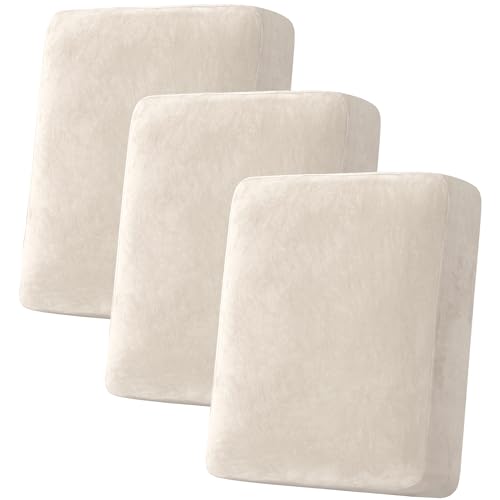
H.VERSAILTEX Velvet Stretch Couch Cushion Cover Plush Cushion Slipcover for Chair Loveseat Sofa Cushion Furniture Protector Seat Cushion Sofa Cover (3 Piece Sofa Cushion Covers, Ivory)
Check price on Amazon
TFONSIGI 24" X 24" Couch Cushion Support for Sagging Seat, 40D High Density Foam Sofa Cushion Support, 3 Pcs Sag Repair Pad, Furniture Seat Under Cushions Supporter
Check price on AmazonFrequently Asked Questions
What is the best cushion fill for a couch?
The best cushion fill depends on your preference. High-density foam offers firm, consistent support and holds its shape well. Down and feather blends provide a plush, sink-in feel but require regular fluffing. Foam wrapped in down combines support with softness and is a popular balanced choice for daily use.
How often should couch cushions be replaced?
High-quality foam cushions typically last five to ten years with proper care, while down-filled cushions may need refilling or replacement sooner due to compression. Rotating and fluffing cushions regularly extends their lifespan. Replace cushions when they lose shape, feel flat, or no longer provide adequate support.
Are removable cushion covers worth it?
Yes, removable cushion covers are highly practical. They make cleaning easier, allow you to update the look of your couch without replacing it, and help extend the life of the cushions themselves. Look for covers with quality zippers and washable fabrics if you have pets or children.
How many cushions should a couch have?
A standard three-seat sofa typically has three seat cushions and three to six back cushions, depending on the design. Loveseats usually have two seat cushions. Sectionals vary widely based on configuration. The number of cushions affects both comfort and visual balance, so consider how the proportions suit your space.
Final Thoughts on Choosing a Couch with Cushions
The cushions are the part of the couch you will interact with every day, so give them the attention they deserve. Focus on cushion fill, firmness, cover quality, and how the cushion design matches your room and lifestyle. A couch with well-made cushions will stay comfortable and look good for years, while a poorly cushioned couch will show its age quickly.
Before you decide, revisit the sections above on fill materials and firmness to confirm your priorities. Then compare options using the quality tier table and check the recommended products for models that match your needs.
For further reading, our guides on comfy sectionals for small spaces and high-back couches explore how cushion design changes across different sofa styles.