
Durable Leather Couch: The Complete Buyer's Guide
Everything you need to know about choosing a leather couch that stands up to daily life — leather grades, frame construction, cushion quality, and long-term care.
Expert guidance for a long-term living room investmentOn This Page
A leather couch is one of the most significant purchases you will make for your living room. Unlike fabric upholstery, which may show wear within a few years, a genuinely durable leather couch can serve your household for two decades or more when selected and maintained properly. The key lies in understanding that not all leather is created equal — and that the hide is only part of the story. Frame construction, cushion density, and joinery methods determine whether your couch will remain supportive and structurally sound through years of movie nights, family gatherings, and everyday relaxation.
This guide is written for shoppers who have already decided that leather is the right choice and are now in the research phase, comparing options before committing. We will walk through the leather grades that deliver real longevity, the hidden construction details that separate a long-term investment from a short-lived purchase, and the practical habits that preserve leather's suppleness and appearance. By the end, you will have a clear framework for evaluating any leather couch you encounter — whether in a showroom or an online listing.
Why Durability Matters in a Leather Couch
A leather couch is a long-term investment in comfort and style. Durability matters for three practical reasons. First, a well-built leather couch resists the everyday wear that accumulates from sitting, stretching, and family activity — it will not sag, crack, or peel prematurely. Second, leather naturally develops a patina over time, and a high-quality hide only becomes more attractive with age, whereas a low-grade leather may begin flaking within a few years. Third, the structural components — the frame, springs, and cushion cores — are what keep the couch comfortable and safe; a failing frame is not repairable in most cases.
If your living room sees heavy daily use, consider pairing your leather couch with durable supporting pieces that match its longevity. A durable living room furniture strategy ensures that every piece in the room is selected with the same long-term perspective.
Leather Grades Explained: What Actually Lasts
The term "leather" covers a wide spectrum of materials, from premium full-grain hides to bonded composites that barely qualify as leather. Understanding the grades is the single most important step in choosing a durable couch.
| Leather Grade | What It Is | Durability Outlook | Best For |
|---|---|---|---|
| Full-Grain Leather | The top layer of the hide with the natural grain intact; no sanding or correction. | Highest — resists wear, develops a rich patina over decades. | Luxury and premium tier couches; households wanting a lifelong piece. |
| Top-Grain Leather | The top layer lightly sanded for a uniform surface; still a genuine leather. | Very high — more uniform appearance, excellent longevity. | Premium and mid-range couches; formal living rooms. |
| Corrected-Grain Leather | The surface is sanded and stamped with an artificial grain pattern. | Moderate — durable enough for regular use but less character. | Mid-range couches; high-traffic family rooms. |
| Split Leather | The lower layers of the hide, often coated or embossed. | Low to moderate — prone to cracking over time. | Entry-level couches; low-traffic spaces. |
| Bonded Leather | Leather scraps bonded with polyurethane and applied to a backing. | Lowest — commonly peels or flakes within a few years. | Not recommended for durability-focused buyers. |
For a genuinely durable leather couch, full-grain and top-grain leather are the only grades that reliably deliver long-term performance. If you prefer the feel of a softer hide, note that full-grain leather may feel firmer at first and will break in over time — a sign of its integrity, not a flaw. If you are weighing genuine leather against synthetic alternatives, our comparison of leather vs faux leather couch materials can help clarify the trade-offs in feel, breathability, and lifespan.
Construction That Lasts: Beyond the Leather
Even the finest leather cannot compensate for a weak frame or collapsing cushions. When evaluating a durable leather couch, inspect these five construction elements.
Frame Material
Kiln-dried hardwood (oak, maple, ash) is the gold standard. It resists warping and holds joinery tightly. Avoid particleboard, MDF, and softwoods, which are prone to sagging and cracking.
Joinery Method
Dowelled and screwed joints reinforced with corner blocks are strongest. Staples and glue alone are a warning sign. Ask whether the frame is corner-blocked — this detail separates professional-grade construction from entry-level assembly.
Cushion Core
High-density foam (2.0 lb/ft³ or higher) or pocketed coil springs wrapped in foam provide lasting support. Low-density foam flattens quickly. Down-wrapped foam offers a plush feel without sacrificing resilience.
Support System
Sinuous (zig-zag) springs or eight-way hand-tied springs distribute weight evenly. Hand-tied springs are the top-tier method; sinuous springs are a dependable mid-range choice. Webbing alone is the least durable.
Stitching & Seams
Reinforced double-stitched seams resist splitting at stress points. Look for matched thread and clean, tight stitching along the seat deck and arms — a sign of professional-grade manufacturing.
Legs & Feet
Solid wood or metal legs attached with metal plates and bolts hold up better than plastic or screw-in resin feet. Our guide to feet for a couch explains how to evaluate and replace legs for added stability.
If you are commissioning a piece rather than buying ready-made, a custom couch allows you to specify these construction details directly. Buyers with specific comfort preferences may also explore a deep leather couch for a more relaxed seating position — depth does not compromise durability when the frame and cushions are sound.
Market Tier Comparison for Durable Leather Couches
Leather couches fall into recognizable market tiers. The table below uses neutral tier descriptors rather than numeric figures, so you can map any product to a quality band and compare relative strengths.
| Tier | Typical Leather | Typical Construction | Expected Longevity | Best For |
|---|---|---|---|---|
| Entry-Level | Split or bonded leather | Softwood or engineered wood frame, sinuous springs, lower-density foam | 3–7 years with regular use | Occasional seating, starter apartments, low-traffic rooms |
| Mid-Range | Top-grain or corrected-grain leather | Hardwood frame with corner blocks, sinuous springs, high-density foam | 8–15 years | Family living rooms, everyday use |
| Premium | Top-grain or full-grain leather | Kiln-dried hardwood, eight-way hand-tied springs, down-wrapped foam | 15–20+ years | Primary living spaces, long-term homeowners |
| Luxury | Full-grain aniline or semi-aniline leather | Hardwood frame, hand-tied springs, premium cushion cores, artisan finishing | 20–25+ years | Design-focused interiors, heirloom-quality investment |
Within each tier, the phrase "good value for its tier" is the appropriate benchmark: a mid-range couch with full corner blocks and top-grain leather is well-specified for its class, while an entry-level couch with bonded leather is not a durable choice regardless of how it is marketed. For a closer look at how material choices affect longevity, our guide to durable couch selection covers fabric and leather options side by side.
Pros and Cons of Choosing a Durable Leather Couch
Advantages
- Exceptional lifespan when built with full-grain or top-grain leather
- Resists spills and stains better than most fabrics — easy to wipe clean
- Develops a desirable patina that adds character over time
- Hypoallergenic and does not trap dust mites or pet dander
- Holds resale value better than fabric couches in comparable condition
- Works across decor styles, from traditional to modern
Considerations
- Premium and luxury tiers require a larger upfront investment
- Leather can feel cold in winter and sticky in humid climates
- Requires periodic conditioning to prevent drying and cracking
- Direct sunlight can fade and dry the hide over time
- Sharp pet claws and rough play can scratch the surface
- Repairing deep scratches or tears is best left to professionals
Many of the drawbacks are manageable with sensible placement and routine care. For households with pets, combining a durable leather couch with proven pet damage prevention habits keeps the surface intact. If you prefer a softer hand-feel, faux leather couch options offer a budget-friendly alternative, though genuine full-grain leather remains the more durable long-term choice.
Care and Maintenance for Maximum Longevity
A durable leather couch rewards consistent, simple care. Follow these practices to protect your investment.
Clean Spills Immediately
Blot — do not rub — with a soft, slightly damp cloth. For tougher marks, use a leather-specific cleaner. Prompt action prevents stains from setting into the grain.
Condition Regularly
Apply a quality leather conditioner every 6–12 months. Conditioning replenishes natural oils and keeps the hide supple, preventing the drying and cracking that shorten a couch's life.
Manage Sunlight
Position the couch away from direct sunlight or use curtains and blinds during peak hours. UV exposure fades color and dries the leather over time.
Keep Heat Sources Distant
Maintain at least 18 inches between the couch and radiators, fireplaces, or heating vents. Prolonged heat exposure causes the leather to dry and lose elasticity.
Rotate Cushions
Flip and rotate seat cushions periodically to distribute wear evenly. This simple habit helps high-density foam retain its shape for years longer.
Avoid Harsh Chemicals
Skip all-purpose cleaners, alcohol, and abrasive pads. Use pH-balanced leather products. Harsh chemicals strip the finish and accelerate cracking.
Addressing minor issues early — a small scuff, a slightly loose seam — prevents them from becoming major repairs. Our leather repair guide covers professional and DIY methods for keeping your couch in top condition.
Frequently Asked Questions
What type of leather is most durable for a couch?
Full-grain leather is the most durable type available. It retains the natural hide surface, making it resistant to wear and developing a rich patina over time. Top-grain leather is a close second and offers a more uniform appearance while still providing excellent longevity.
How long should a durable leather couch last?
A well-constructed durable leather couch can last 15 to 25 years or more with proper care. The lifespan depends on leather grade, frame construction, cushion density, and maintenance habits. Premium and luxury tier models with hardwood frames and full-grain leather typically exceed two decades of regular use.
What frame construction is best for a durable leather couch?
Kiln-dried hardwood frames, such as oak, maple, or ash, joined with dowels, screws, and corner blocks offer the best durability. Avoid particleboard or softwood frames. A solid hardwood frame is the backbone of any long-lasting leather couch.
Is bonded leather a durable option for couches?
Bonded leather is the least durable leather option. It consists of leather scraps bonded with polyurethane and tends to peel or crack within a few years. For a genuinely durable leather couch, choose full-grain or top-grain leather instead.
How do I maintain a leather couch for maximum durability?
Clean spills promptly with a soft damp cloth, keep the couch away from direct sunlight, condition the leather every 6 to 12 months, and avoid harsh chemical cleaners. Regular maintenance preserves suppleness and prevents cracking, significantly extending the couch's lifespan.
Ready to Find Your Durable Leather Couch?
Explore a curated selection of leather couches chosen for construction quality, material integrity, and long-term performance.
View Recommended ModelsRelated Reading
Recommended Durable Leather Couches
⚠️ AFFILIATE DISCLOSURE: This website contains affiliate links. As an affiliate Associate, we earn from qualifying purchases. If you make a purchase through these links, we may receive a small commission at no additional cost to you. Read our full affiliate policy.

Trygoal 97.5" Leather L Shaped Couch with Left Chaise & Cup Holder, Sectional Sofas Modular Furniture Set with Storage Ottoman, Convertible Couches for Living Room, Office & Small Space (Black)
Check price on Amazon
Power Recliner Sofa, Cat Scratch Leather 3 Seater Couch for Home, Brown | Zero wall hugger, zero clearance, one-touch power recline, cat scratch leather, for living room and home theater
Check price on Amazon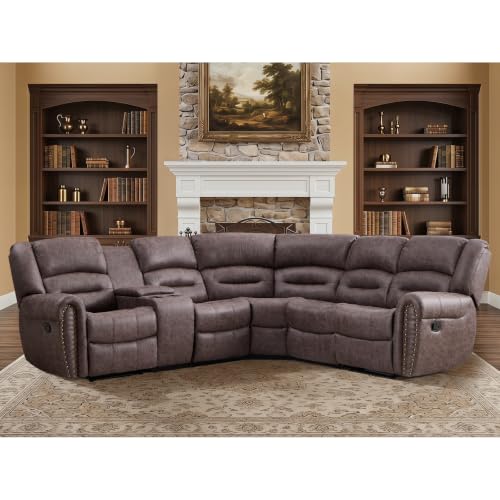
EBELLO L-Shaped Reclining Sectional Couches for Living Room, 6 Seater Faux Leather Manual Recliner Sofa Set Corner Sectional Couch Home Furniture Set for Home Theater, Dark Grey
Check price on Amazon
Couchus 3-Piece Sofa Set, 88" 3-Seater, 77" Loveseat, 42" Armchair, Brown | Faux Leather Fabric Couch and Loveseat Sets, Mid-Century Couch Set with Nailhead Trim & Rolled Arms, for Living Room
Check price on Amazon
EBELLO Genuine Leather Recliner Manual Loveseat Couch for Living Room, 2 Seater Reclining Sofa Chair with Storage and Cup Holders, Modern Durable Home Furniture for Small Space, Vintage Brown
Check price on Amazon
TYBOATLE Black Faux Leather Small Couch Loveseat, 2-Seater for Living Room | Love Seat, Mini Couch, Small Sofa, Modern Upholstered Design, Bedroom, Dorm, Apartment, Office, Compact Spaces
Check price on Amazon
Signature Design by Ashley 2-Seat Faux Leather Loveseat, Granite | No-Assembly Traditional Couch, Elegant Nailhead Trim, Rolled Arms, Durable Reinforced Frame, Chatterton Series
Check price on Amazon