
Fabric to Use for Outdoor Cushions
Choosing the right fabric is the single most important decision for outdoor cushion longevity. This guide compares solution-dyed acrylic, olefin, polyester, and specialized outdoor blends so you can match the material to your climate, usage, and design goals.
Compare Outdoor FabricsWhy outdoor cushion fabric matters: Outdoor cushions face sun exposure, rain, humidity, and temperature swings that indoor upholstery never encounters. A fabric that performs well indoors can degrade quickly outside. The right outdoor fabric resists UV fading, repels moisture, dries quickly, and maintains its structural integrity season after season. This guide explains exactly what to look for and which materials deliver the best results for your specific outdoor setup.
What Makes a Fabric Suitable for Outdoor Cushions?
Not every fabric labeled "outdoor" performs equally. Before comparing specific materials, it helps to understand the four properties that determine outdoor fabric performance:
- UV resistance: Prolonged sun exposure breaks down fibers and causes color to fade. Solution-dyed fabrics integrate pigment throughout the fiber, while surface-dyed fabrics only treat the outer layer and fade more quickly.
- Water repellency: Outdoor cushions need to shed water rather than absorb it. Look for fabrics with a tight weave and, ideally, a water-repellent finish.
- Mold and mildew resistance: Damp cushion cores are a common problem. Fabrics that resist moisture absorption and allow airflow help prevent mold growth inside the cushion.
- Abrasion resistance: Outdoor cushions endure more friction from sitting, moving, and weather. A higher abrasion rating indicates better long-term durability.
Top Fabric Options for Outdoor Cushions Compared
The table below summarizes how the leading outdoor cushion fabrics compare across the properties that matter most. Use it as a quick reference, then read the detailed breakdown that follows.
| Fabric Type | Market Tier | UV Resistance | Moisture Resistance | Best For |
|---|---|---|---|---|
| Solution-Dyed Acrylic | Premium / Luxury | Excellent | Very Good | Year-round exposed patios, high-sun climates, long-term investment |
| Olefin (Polypropylene) | Mid-range | Very Good | Excellent | Humid climates, poolside areas, quick-drying needs |
| High-Grade Polyester | Mid-tier | Good | Good | Covered porches, seasonal use, balanced performance |
| Standard Polyester | Entry-level | Moderate | Moderate | Sheltered spaces, occasional outdoor use, starter tier |
| Acrylic-Blend Fabrics | Balanced tier | Good to Very Good | Good | Mixed indoor-outdoor spaces, decorative cushions |
| PVC-Coated Mesh | Professional-grade | Excellent | Excellent | Commercial patios, high-traffic seating, water-exposed areas |
Solution-Dyed Acrylic: The Top-Tier Choice
Solution-dyed acrylic is widely considered the flagship material for outdoor cushions. The manufacturing process injects color pigments directly into the acrylic fibers before they are spun, rather than dyeing the finished fabric. This produces a material where the color is part of the fiber itself.
The practical benefits are significant. Solution-dyed acrylic holds color exceptionally well under continuous sun exposure, resists mold and mildew, and maintains its strength over many seasons. It also feels softer than many synthetic alternatives, making it a comfortable choice for seating. Because of the more involved manufacturing process, solution-dyed acrylic sits in the premium and luxury segments of the outdoor fabric market.
For homeowners furnishing an uncovered patio, a sunny deck, or a poolside area where cushions will remain out for most of the year, solution-dyed acrylic is the most reliable long-term investment. If you are also selecting cushions for other outdoor seating, our guide to fabric for outdoor furniture cushions covers additional material considerations across seating types.
Olefin: The Moisture-Resistant Mid-Range Standout
Olefin, also known as polypropylene, is a synthetic fiber that naturally repels water and resists staining. It is lightweight, dries quickly, and performs extremely well in humid environments where moisture is the primary concern.
Olefin sits comfortably in the mid-range tier. It is not as soft as acrylic and may have a slightly more textured hand feel, but its moisture resistance is arguably the best among common outdoor fabrics. For poolside cushions or covered patios in humid climates, olefin is a strong, practical choice.
One consideration: olefin has slightly lower UV resistance than solution-dyed acrylic, so in intensely sunny climates it may show gradual fading over many years. In shaded or partly shaded areas, this is rarely a concern. If you are outfitting a dedicated outdoor seating area, our guide to cushions for outdoor sectional couch arrangements explores how fabric choice interacts with larger seating layouts.
Polyester: From Entry-Level to Mid-Tier
Polyester is the most common outdoor cushion fabric and spans a wide quality range. Standard polyester occupies the entry-level segment, while high-grade outdoor polyester with enhanced UV stabilizers and water-repellent finishes competes in the mid-tier.
High-grade outdoor polyester offers a solid balance of softness, color retention, and durability. It is more comfortable to the touch than olefin and more accessible than solution-dyed acrylic. For covered porches, screened sunrooms, and seasonal outdoor use, a well-specified outdoor polyester represents good value for its tier.
Standard polyester, by contrast, may fade and degrade more quickly under direct sun. It is best reserved for sheltered spaces or short-term seasonal setups. When evaluating any polyester product, look for explicit UV stabilization and water-repellent claims rather than assuming all outdoor polyester performs the same.
Specialized and Niche Outdoor Fabrics
Acrylic-Blend Fabrics
Blends that combine acrylic with polyester or other fibers aim to balance softness, durability, and performance. They often sit in the balanced tier and work well for decorative cushions that are brought out for gatherings rather than left exposed continuously.
PVC-Coated Mesh and Vinyl-Coated Fabrics
These professional-grade materials are common in commercial settings. They are highly water-resistant, easy to wipe clean, and extremely durable. The trade-off is a stiffer, less upholstered feel, which makes them better suited to utility seating than plush lounging.
Practical tip: The fabric cover is only half the equation. The cushion insert also matters for outdoor use. Quick-drying foam and moisture-resistant batting help prevent the inner core from staying damp, which is a common cause of mold even under good fabric. Pair your fabric choice with an appropriate outdoor-rated insert for the best results.
How to Evaluate an Outdoor Cushion Fabric Before You Buy
When comparing products, use these checkpoints to separate genuinely outdoor-ready fabrics from lighter-duty options:
- Look for solution-dyed labeling. If the description does not mention solution dyeing, the fabric may be surface-dyed and more prone to fading.
- Check the fabric weight. Heavier fabrics generally offer better structure and abrasion resistance. Weights in the 7 to 9 ounce per square yard range are common in mid-range and premium outdoor fabrics.
- Review the care instructions. Fabrics that specify simple mild-soap cleaning are usually more practical than those requiring specialized treatments.
- Confirm water-repellent finishing. A water-repellent finish helps water bead and roll off rather than soak in, which extends cushion life.
- Match the fabric to exposure. A fully exposed patio in a sunny climate calls for a higher tier than a covered porch used occasionally.
Care and Maintenance for Outdoor Cushion Fabrics
Even the best outdoor fabric benefits from routine care. Regular maintenance extends the life of cushions and keeps them looking fresh across seasons.
- Clean spills promptly. Blot rather than rub, and use mild soap with water for most outdoor fabrics.
- Allow full drying after rain. Prop cushions upright or lay them flat in the sun so moisture can escape from both fabric and insert.
- Store or cover during extreme weather. Prolonged rain and snow are best avoided by bringing cushions inside or using a breathable cover.
- Brush off debris. Leaves, pollen, and dirt trap moisture against the fabric. A quick brush keeps the surface clean and dry.
- Avoid harsh chemicals. Bleach and strong solvents can damage UV finishes and water-repellent coatings.
Matching Fabric to Your Outdoor Space
The ideal fabric depends on where the cushions will live. For a fully exposed sunny patio, solution-dyed acrylic is the most dependable top-tier option. For a humid, poolside environment where water exposure dominates, olefin's moisture resistance is a strong advantage. For a covered porch or seasonal setup, high-grade outdoor polyester offers balanced performance at a more accessible tier.
If your outdoor seating includes wicker furniture, the fabric choice should also account for how the cushion sits against the frame. Our guide to cushions for wicker loveseat and chairs covers fit and material considerations for that specific pairing. And if you are considering custom-sized cushions, the principles in our guide to custom made outdoor furniture cushions explain how to specify fabric during a custom order.
Frequently Asked Questions
What is the best fabric for outdoor cushions?
Solution-dyed acrylic is widely regarded as the top-tier choice for outdoor cushions. It offers excellent UV resistance, colorfastness, and mold resistance. Olefin and high-grade polyester are strong mid-range alternatives, while standard polyester occupies the entry-level segment.
Is solution-dyed acrylic better than polyester for outdoor cushions?
Solution-dyed acrylic is generally superior for long-term outdoor use. The color is integrated into the fiber itself, making it highly resistant to fading and moisture. Polyester is more accessible in the entry-level and mid-range tiers, but lower grades may fade faster under prolonged sun exposure.
How do I keep outdoor cushion fabric from growing mold?
Choose a fabric with inherent mold and mildew resistance, such as solution-dyed acrylic or olefin. Ensure cushions are stored or covered during heavy rain, allow them to dry fully after getting wet, and clean them regularly to prevent dirt buildup that traps moisture.
Can outdoor cushion fabric be machine washed?
Many outdoor cushion fabrics can be spot cleaned or gently hand washed, but machine washing depends on the specific product. Always check the manufacturer's care label. Solution-dyed acrylic and olefin typically respond well to mild soap and water, while some coated fabrics may require specialized cleaners.
What fabric weight is best for outdoor cushions?
A fabric weight between 6 and 9 ounces per square yard is common for outdoor cushions. Heavier fabrics tend to offer better durability and structure, while lighter fabrics may feel softer but can wear faster. Mid-range and premium outdoor fabrics usually fall in the 7 to 9 ounce range.
Final Recommendations
For most homeowners, the decision comes down to exposure level and climate. Invest in solution-dyed acrylic if your cushions will face direct sun and year-round weather; it is the most durable long-term investment in the premium tier. Choose olefin when moisture resistance is the priority, such as poolside or humid environments. Select high-grade outdoor polyester for covered spaces where balanced softness and performance matter more than maximum weather exposure.
Whichever fabric you choose, verify the solution-dyeing claim, fabric weight, and care requirements before purchasing. A well-chosen outdoor fabric paired with a quick-drying insert will keep your outdoor seating comfortable and presentable for many seasons.
Recommended Outdoor Cushion Fabrics & Cushions
⚠️ AFFILIATE DISCLOSURE: This website contains affiliate links. As an affiliate Associate, we earn from qualifying purchases. If you make a purchase through these links, we may receive a small commission at no additional cost to you. Read our full affiliate policy.
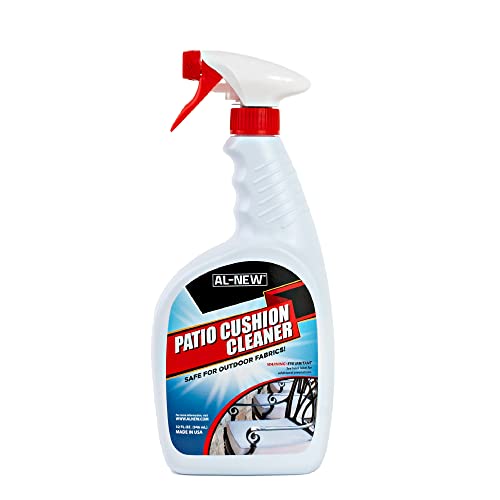
AL-NEW Patio Cushion Cleaner | Safe For Use On Outdoor Fabrics Such As Patio Cushions, Awnings, Furniture Covers, and more (32 Ounce)
Check price on Amazon
GeeComfy Waterproof Upholstery Fabric by the Yard 600D Oxford, Black | 1 Yard Precut, 58"W Polyester Canvas Material, Indoor Outdoor Use, DIY Sewing for Chair Cushion Furniture Cover Backpack Bag
Check price on Amazon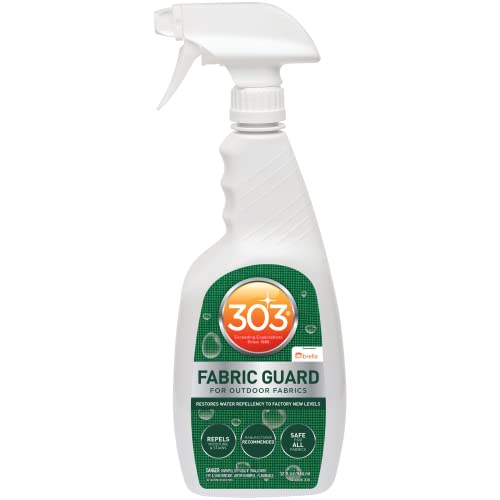
303 Fabric Guard Water Repellent for Outdoor Fabrics, 32 oz | Restores water and stain resistance on outdoor fabric, canvas, cushions, and upholstery
Check price on Amazon
GUYI 10 Pairs 2x4 Inch Heavy Duty Self Adhesive Hook and Loop Strips | Sticky Back Fastener for Home, Office, Outdoor, Ideal for Rugs, Cushions, Pictures, Wall Mounts, Crafts & Fabric
Check price on Amazon
Patio Water-Resistant Extra Large Protective Zippered Outdoor Cushion Furniture Storage Bag with Handles, 68in L x 30in W x 20in H (1 Pack)
Check price on Amazon