
Fabric for Outdoor Furniture Cushions: The Complete Guide
Learn how to choose weather-resistant, durable outdoor cushion fabric that survives sun, rain, and daily use — without sacrificing comfort or style.
Why this guide matters: Outdoor cushions take a beating that indoor upholstery never faces — UV rays, rain, humidity, mildew spores, and temperature swings. Choosing the right fabric is the single most important decision you will make when buying or replacing outdoor cushions. This guide explains every material category, the performance traits that actually matter, and how to match fabric to your climate and seating setup so your cushions stay comfortable and presentable season after season.
What Makes a Fabric Truly Outdoor-Grade?
Not every fabric labeled "outdoor" performs equally. A genuinely outdoor-grade fabric must handle five stress factors simultaneously:
- UV resistance: Prolonged sun exposure breaks down fibers and causes fading. Solution-dyed fabrics hold color at the fiber level rather than on the surface, so they resist fading far longer than surface-dyed alternatives.
- Water repellency: Outdoor fabrics are typically treated or woven to resist moisture absorption. Quick-drying fibers prevent water from sitting inside the cushion and breeding mildew.
- Mildew and mold resistance: Damp cushions in humid climates are a mildew risk. Fabrics with inherent mildew resistance or antimicrobial finishes stay fresher between washings.
- Abrasion resistance: Cushions rub against frames, get sat on daily, and are moved frequently. High double-rub counts indicate a fabric that resists pilling and thinning.
- Colorfastness to cleaning: Outdoor cushions need frequent cleaning. A quality outdoor fabric keeps its color through repeated washing and mild bleach solutions.
When comparing options, look for these performance signals on the fabric specification rather than relying on marketing labels alone. Our guide to fabric for outdoor furniture cushions covers the category in depth, and if you plan to renew an existing set, explore fabrics to use for outdoor cushions as a practical starting point.
Outdoor Cushion Fabric Materials Compared
Outdoor cushion fabrics fall into a handful of fiber families. Each has a distinct performance profile, and the best choice depends on your climate, usage intensity, and aesthetic preference.
Solution-Dyed Acrylic
The benchmark for outdoor fabric. Color is infused into the fiber before weaving, giving exceptional UV fade resistance and reliable water repellency. Soft hand feel and a wide color range make it a favorite for visible patio seating. Best for sunny climates and premium outdoor sets.
Solution-Dyed Olefin
Strong, lightweight, and inherently moisture-resistant. Olefin resists stains and dries quickly, making it a workhorse for poolside and humid climates. It is less soft than acrylic but highly durable and holds up well to heavy use.
Polyester (Outdoor-Treated)
Widely available and versatile. Outdoor-grade polyester receives water-repellent and UV-resistant finishes. It offers good colorfastness and a smooth texture, though it may fade faster than solution-dyed acrylic in intense sun over many years.
Cotton and Cotton Blends
Comfortable and breathable but the least weather-resistant. Cotton absorbs water, dries slowly, and is prone to mildew unless treated. Suitable only for covered porches with minimal rain exposure, and best reserved for decorative accent pillows rather than primary seat cushions.
Performance Blends
Blends of acrylic, polyester, and olefin aim to combine softness with durability. Quality varies widely within this category, so check the double-rub count and UV rating rather than assuming performance from the blend name alone.
PVC-Coated and Vinyl Fabrics
Fully waterproof and easy to wipe clean, ideal for dining cushions and high-moisture environments. They are less breathable and can feel stiff, so they suit utility-focused outdoor seating more than lounging comfort.
Outdoor Fabric Comparison at a Glance
| Fabric | Tier | Best For | UV Resistance | Water Resistance | Comfort Feel |
|---|---|---|---|---|---|
| Solution-Dyed Acrylic | Top-tier | Sunny patios, visible seating | Excellent | Very good | Soft |
| Solution-Dyed Olefin | High-end tier | Poolside, humid climates | Excellent | Excellent | Moderate |
| Outdoor Polyester | Mid-tier | General patio use | Good | Good | Smooth |
| Performance Blends | Balanced tier | Mixed-use outdoor areas | Good to very good | Good | Variable |
| Cotton / Blends | Essential tier | Covered porches, accents | Low to moderate | Low | Very soft |
| PVC-Coated / Vinyl | Specialty | Dining cushions, wet areas | Good | Waterproof | Firm |
Matching Fabric to Your Outdoor Setup
The right fabric depends on where your cushions live. Consider these common scenarios:
Full-Sun Patio or Pool Deck
Prioritize solution-dyed acrylic or solution-dyed olefin. These hold color through intense UV exposure and dry quickly after rain. If your seating includes a sectional, see our notes on cushions for outdoor sectional couches to size and specify fabric correctly.
Covered Porch or Screened Lanai
You have more flexibility here. Mid-tier outdoor polyester and performance blends perform well with reduced rain exposure, and you can lean toward softer textures for comfort. Cotton blends become viable for accent pillows, though primary seat cushions still benefit from synthetic outdoor fabric.
Wicker and Rattan Seating
Wicker frames need cushions that resist snagging and hold shape. Tight-weave acrylic and olefin are excellent choices. For specific sizing advice, read our guide on cushions for wicker loveseats and chairs.
Large or Custom-Sized Seating
Oversized deep-seat pieces often require custom cushions, where fabric choice and seam construction matter even more. Explore custom-made outdoor furniture cushions and extra-large outdoor furniture cushions for sizing and specification guidance. If you want a cohesive look across a deep-seat patio arrangement, our article on deep seating patio furniture with a fire pit explains how cushion fabric fits into the overall setup.
Indoor-Outdoor Transition Spaces
Sunrooms and covered transitional areas benefit from fabrics that bridge indoor comfort and outdoor durability. Solution-dyed acrylic in a soft weave works well here, and coordinating with cushions for a couch inside keeps the visual flow consistent.
Durability Factors and Care That Extend Fabric Life
Even the best fabric needs sensible care. These practices meaningfully extend cushion life:
- Check the double-rub count: For outdoor seat cushions, higher abrasion ratings indicate better resistance to daily wear. Ask the supplier for the specification.
- Choose removable, washable covers: Zippered covers that can be removed for cleaning make maintenance far easier and keep cushions hygienic.
- Brush off debris regularly: Dirt and pollen work into weave gaps and accelerate wear. A soft brush and mild soap solution handle most cleaning.
- Store cushions during off-season: A storage bench or weatherproof bin protects cushions from prolonged rain and UV exposure when not in use.
- Rotate cushions periodically: Flipping and rotating cushions distributes wear and sun exposure evenly.
- Address mildew promptly: If mildew appears, clean with a diluted mild bleach solution recommended for the specific fabric, then dry thoroughly in the sun.
If you are also refreshing indoor upholstery, compare approaches in our guides on durable couch fabric and fabric for a couch. For a complete outdoor refresh, custom couch covers and custom couch upholstery explain how professional fabrication can extend the life of existing frames and cushions alike.
Common Mistakes When Buying Outdoor Cushion Fabric
- Assuming "outdoor" means fully weatherproof: Many outdoor fabrics resist water but are not waterproof. Understand the difference between water-repellent and waterproof before committing.
- Ignoring foam and construction: Fabric performance is only half the equation. Quick-dry foam and drainage-friendly cushion construction prevent trapped moisture that ruins even the best fabric.
- Choosing color without considering fade behavior: Bright saturated colors show fading faster on lower-tier fabrics. Solution-dyed options hold color better, especially in strong sun.
- Overlooking cleaning requirements: Some fabrics require gentle cleaning only. If you want easy maintenance, look for covers that tolerate mild bleach and machine washing.
- Buying indoor fabric for outdoor use: Standard upholstery fabric degrades quickly outdoors. Always confirm the fabric is specifically rated for outdoor exposure.
Recommended Outdoor Cushion Fabrics
⚠️ AFFILIATE DISCLOSURE: This website contains affiliate links. As an affiliate Associate, we earn from qualifying purchases. If you make a purchase through these links, we may receive a small commission at no additional cost to you. Read our full affiliate policy.

HYVAKUPPA Waterproof Canvas Cloth Fabric by The Yard 60" W 600D Oxford Polyester Upholster Fabric Water Resistant Material for Outdoor Furniture Chair Cushion Cover DIY Sewing (1 Yard, Khaki)
Check price on Amazon
Fanfanwin 36" x 100 Yards/roll Upholstery Cushion White Noiseless Wrap | Easily Install Foam into Cushion Cover, for Crafts, DIY Furniture, Home, Office Cover
Check price on Amazon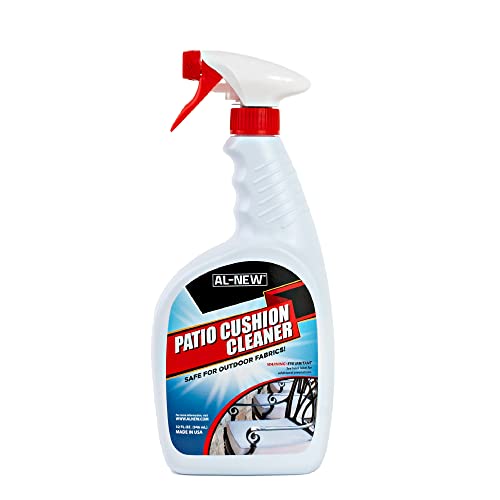
AL-NEW Patio Cushion Cleaner | Safe For Use On Outdoor Fabrics Such As Patio Cushions, Awnings, Furniture Covers, and more (32 Ounce)
Check price on Amazon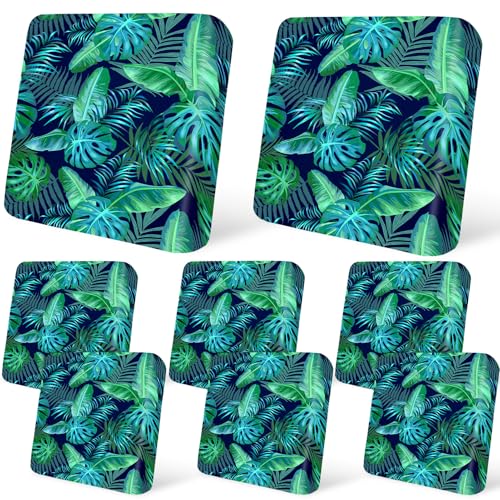
8Pcs Patio Cushion Covers Stretch Outdoor Furniture Protector Slipcovers | Universal Fit Outdoor Cushion Covers, Elastic Bottom, Couch Chair Seat Replacement, Pet Friendly for Dogs, Sofa Slipcovers
Check price on AmazonReady to Refresh Your Outdoor Seating?
Use the recommended fabrics above to compare materials and find the right match for your patio, porch, or poolside setup. Check availability and explore options that fit your climate and seating style.
Frequently Asked Questions
What is the best fabric for outdoor furniture cushions?
Solution-dyed acrylic is widely considered the top-tier choice for outdoor cushions because it resists UV fading, repels water, and stays soft. Solution-dyed olefin is an excellent high-end alternative, especially in humid or poolside environments where quick drying matters most.
Can I use regular indoor fabric for outdoor cushions?
No. Indoor upholstery fabric lacks the UV stabilizers, water repellency, and mildew resistance needed outdoors. It will fade, absorb moisture, and deteriorate quickly when exposed to weather. Always choose fabric specifically rated for outdoor use.
How do I prevent mold and mildew on outdoor cushions?
Choose mildew-resistant outdoor fabric, use quick-dry foam inserts, and bring cushions inside or into storage during extended rain. Clean spills promptly, allow cushions to dry fully in the sun after washing, and avoid leaving them on damp surfaces for long periods.
How often should outdoor cushions be replaced?
With quality solution-dyed fabric and proper care, outdoor cushions can last several seasons before fabric or foam needs replacing. Signs it is time include persistent staining, thinning fabric, compressed foam that no longer recovers, and fading that cannot be cleaned away.
Is olefin or acrylic better for outdoor cushions?
Both perform well. Acrylic feels softer and offers excellent UV fade resistance, making it a favorite for visible seating. Olefin is stronger, lighter, and exceptionally moisture-resistant, which suits poolside and humid climates. Choose based on whether comfort feel or maximum moisture resistance is your priority.