





Understanding Metal Types in Living Room Furniture
Before you clean or protect any metal surface, identify what you are working with. Different metals react differently to moisture, cleaners, and abrasion. The most common metal components you will find on couches and living room furniture are:
- Steel and stainless steel: Common in frames, legs, and hardware. Standard steel can rust if the coating is scratched; stainless steel resists corrosion but can still develop surface stains.
- Aluminum: Lightweight and naturally corrosion-resistant. Often used in accent tables, chair frames, and decorative trim. It can oxidize and turn dull without care.
- Iron and cast iron: Heavy-duty and durable, but highly prone to rust if exposed to moisture. Frequently found in industrial-style furniture legs and bases.
- Brass and bronze: Decorative finishes that develop a natural patina over time. Some people love the aged look; others prefer a polished shine.
- Chrome and plated finishes: A thin metal layer over a base metal. These can chip, peel, or flake if cleaned with abrasive products.
A quick visual check and a gentle magnet test can help you distinguish ferrous metals (which attract a magnet and may rust) from non-ferrous ones. When in doubt, always start with the gentlest cleaning method and test on a hidden area first.
Routine Metal Cleaning: A Simple Weekly Habit
Most metal furniture only needs light, regular attention. Dust and body oils are the most common causes of dull finishes. Wipe metal surfaces with a soft, slightly damp microfiber cloth once a week, then dry immediately with a second cloth. This removes dust before it becomes abrasive and prevents water spots from forming.
Step-by-Step Basic Cleaning
- Dust first: Use a dry microfiber cloth or a soft brush attachment to remove loose dust from joints, screws, and decorative grooves.
- Wipe with mild soap: Mix a few drops of gentle dish soap into warm water. Dampen a microfiber cloth, wring it out well, and wipe the metal surface.
- Rinse and dry: Wipe again with a clean, damp cloth to remove soap residue, then dry thoroughly with a soft towel. Never let water sit on metal.
- Check joints and hardware: Look for loose screws, worn protective caps, or scratched paint. Address small issues before they grow.
For general upholstery and fabric care alongside your metal routine, see our upholstery care guide and our tips on natural cleaners for a whole-furniture approach.
Rust Prevention and Protection
Rust is the number one enemy of metal furniture. It weakens joints, stains fabric, and spreads quickly once it starts. The best defense is prevention.
Practical Rust Prevention Tips
- Control humidity: Keep living room humidity moderate. In damp climates, use a dehumidifier or ensure good ventilation.
- Keep metal dry: Immediately dry any metal surface that gets wet, including after cleaning or accidental spills.
- Use protective coatings: Apply a thin layer of metal-safe wax, silicone spray, or a dedicated rust inhibitor to exposed steel and iron. Reapply every few months.
- Protect scratches: Touch up chipped paint or powder coating with a matching metal paint to prevent exposed metal from rusting.
- Lift, don't drag: Dragging furniture across the floor scratches protective coatings on legs and bases. Use felt pads under metal legs to reduce friction.
If your couch sits on a hard floor, consider protective pads or under-couch blockers that also keep moisture and dust away from metal feet.
Dealing With Stains, Scratches, and Oxidation
Even with regular care, metal surfaces can develop issues. Here is how to handle the most common problems before they worsen.
Surface Stains and Water Marks
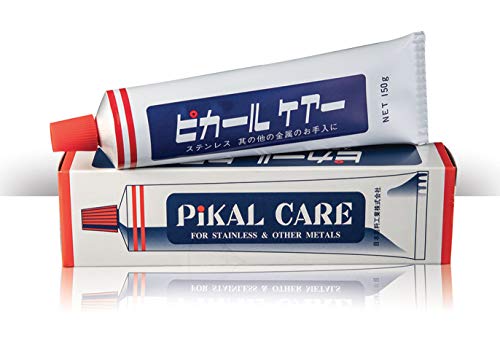
Water spots and light stains usually respond to a paste of baking soda and water. Apply gently with a soft cloth, rinse, and dry immediately. For tougher stains on stainless steel, a dedicated stainless cleaner is a solid choice for the category.
Light Scratches
Fine scratches on brushed metal can sometimes be blended with a non-abrasive metal polish applied in the direction of the grain. Deep scratches on plated finishes are difficult to repair at home; consider a professional refinisher for visible pieces.
Oxidation and Dullness
Aluminum and brass often develop a dull, oxidized layer. A metal polish matched to the specific metal restores shine. Always test on a hidden spot first, and follow with a protective wax to slow future oxidation.
Early Rust Spots
Remove light rust with a fine abrasive pad or a commercial rust remover, then clean and dry the area thoroughly. Apply a rust-inhibiting primer or paint to seal the surface. Left untreated, rust spreads under coatings and weakens the metal.
Metal Care in Different Living Room Environments
Where your furniture lives affects how much care it needs. Consider these environment-specific adjustments:
- Humid climates: Prioritize dehumidification and rust-inhibiting coatings. Check metal legs and frames monthly.
- Homes with pets: Pet urine is highly corrosive to metal. Clean accidents immediately and use a pet-safe enzyme cleaner. Our under-the-couch blocker for cats can help keep pets away from vulnerable metal feet.
- Homes with children: Sticky hands and spilled drinks are common. Wipe metal surfaces more frequently and keep sharp edges covered.
- Near windows or doors: Moisture and UV exposure are higher. Rotate furniture and use curtains to reduce condensation and fading.
- Open-plan or high-traffic rooms: More contact means more oils and dust. A weekly wipe-down keeps finishes consistent.
If you are planning a layout change, our open concept layout guide can help you position metal-framed pieces away from moisture-prone zones.
When to Repair, Refinish, or Replace Metal Components
Not every metal issue requires a replacement. Use this general framework to decide:
- Cosmetic issues only: Dullness, light scratches, and small water marks are DIY-friendly with polish and protective coatings.
- Structural concerns: Wobbly joints, cracked welds, or bent frames need professional attention or replacement parts. Do not use furniture with compromised structural metal.
- Heavy rust or flaking: If rust has penetrated deeply or plating is peeling across a large area, refinishing may be worthwhile for high-end pieces. For entry-level and mid-range pieces, replacement hardware is often the practical choice.
- Safety first: Any metal component that could cut, pinch, or collapse should be repaired or removed from use immediately.
Before discarding furniture, check our warranty and returns guide — many metal frame issues are covered by manufacturer warranties. If you are moving pieces, our moving checklist helps prevent damage to metal components during transit.
Building a Simple Metal Care Kit
You do not need a cabinet full of specialized products. A compact, well-chosen kit handles most situations:
- Microfiber cloths (at least three: one for cleaning, one for rinsing, one for drying)
- Mild dish soap
- Metal polish suitable for your furniture's metal type
- Rust-inhibiting spray or wax
- Fine abrasive pad for light rust removal
- Felt pads for metal legs
- Small brush for crevices and joints
Store your kit near your cleaning supplies so it is easy to use regularly. Consistency matters far more than the number of products you own.
Frequently Asked Questions About Metal Care
Putting It All Together
Metal care is not complicated, but it is easy to neglect. A few minutes each week — dusting, wiping, and drying — combined with a protective coating every few months will keep metal components looking and performing their best. When you shop for living room furniture, look for descriptions that mention durable construction, rust-proof finishes, and heavy-duty hardware; these are good indicators that the metal components are designed to last. For those exploring dining and living room combinations, our guides on small dining rooms and table pads offer related surface-protection tips that pair well with metal care practices.
Above all, make metal care part of your regular cleaning routine. It takes less time than a repair, and it protects the furniture you rely on every day.