
Modular Couch Bed: The Flexible Seating & Sleeping Solution
Discover how a modular couch bed can transform your living room into a multi-functional space. Learn about configurations, materials, comfort systems, and design strategies to choose the right one for your home.
Explore Recommended ModelsWhy consider a modular couch bed? Unlike traditional sofas, a modular couch bed adapts to your lifestyle. You can reconfigure the layout for movie nights, guest visits, or a fresh room arrangement — without buying new furniture. This guide walks you through every decision point so you can choose with confidence.
What Exactly Is a Modular Couch Bed?
A modular couch bed is a seating system built from individual, interchangeable modules — typically seats, corner pieces, chaise units, and ottomans. These modules connect through built-in brackets, straps, or simple friction-fit mechanisms, allowing you to rearrange the sofa into different shapes. Many modular systems also include a sleeper mechanism or convertible cushion setup that turns the seating area into a sleeping surface.
The key difference from a standard sofa bed is flexibility. A traditional sleeper sofa has a fixed frame and a fold-out mattress. A modular couch bed lets you separate, rotate, and recombine pieces to suit changing room layouts and social situations. If you are comparing alternatives, our guide to L-shaped modular couches explains how corner configurations work in practice.
Main Types of Modular Couch Beds
Not all modular couch beds are built the same way. The three main categories below cover most options on the market. Each has distinct strengths, so match the type to your primary use case.
1. Pull-Out Modular Sleeper
These models combine modular seating with a hidden pull-out bed mechanism, usually a metal frame with a foam or spring mattress. The bed extends from beneath the seat cushions.
- Best for: regular guest use
- Bed size: typically full or queen
- Trade-off: heavier modules, less reconfiguration freedom
2. Fold-Out / Flip Cushion Modular
The seat cushions flip or fold flat to create a sleeping surface. Some designs use a hinged backrest that lays flat. These are lighter and easier to rearrange.
- Best for: occasional overnight guests
- Bed size: varies, often full
- Trade-off: thinner sleeping surface
3. Platform Modular with Mattress Topper
The modules form a flat platform when pushed together, and a removable mattress topper provides the sleeping surface. This is the most flexible configuration.
- Best for: frequent reconfiguration and versatile rooms
- Bed size: custom, based on module count
- Trade-off: requires storage for the topper
If you prefer a dedicated folding mechanism rather than a modular system, a fold-out sectional couch may be a better fit. For rooms that need a true full-size sleeping area, compare the full-size sofa sleeper couch options as well.
Choosing the Right Configuration
Modular systems are sold as individual pieces, so the configuration you build determines both comfort and how well the couch fits your room. Consider these common setups:
L-Shaped Configuration
Two seats plus a corner module and a chaise creates an L-shape that works well against a wall or in a corner. It defines a seating zone without blocking traffic flow. See how this compares to a dedicated L-shaped couch that turns into a bed.
U-Shaped Configuration
Three seats, two corners, and optional ottomans form a U-shape ideal for large rooms and conversation. It maximizes seating but requires more floor space. Explore U-shaped sectional couches for comparison.
Straight / Apartment Configuration
A simple row of two or three modules works in narrow rooms and small apartments. You can add a chaise later without replacing the whole system. For compact alternatives, see L-shaped sectionals with pull-out beds.
Island / Floating Configuration
Place modules in the center of an open-plan room to create a conversation island. This works best with finished backs on all modules and helps define zones in large spaces. Pair with a sectional with ottoman and recliner for added comfort.
Materials, Cushions & Comfort Systems
Because a modular couch bed serves double duty, the materials and cushion construction matter more than on a standard sofa. Here is what to prioritize:
| Component | What to Look For | Best For |
|---|---|---|
| Upholstery | Performance fabric, tight-weave polyester blends, or top-grain leather with stain resistance | Households with kids or pets; high-traffic rooms |
| Seat cushions | High-density foam (2.0 lb/ft³ or above) wrapped in fiber; removable covers | Daily seating and occasional sleeping |
| Sleep surface | Memory foam topper, spring mattress, or multi-layer foam with a minimum 4-inch thickness | Overnight guest comfort |
| Frame | Kiln-dried hardwood or reinforced engineered wood; metal connectors at module joints | Long-term durability and stable reconfiguration |
| Connectors | Metal brackets or heavy-duty straps that hold modules firmly without wobble | Frequent rearrangement |
At the entry-level tier, modular couch beds typically use standard foam and polyester upholstery. Mid-range models upgrade to high-resilience foam and performance fabrics. Premium and luxury tiers offer memory foam sleeping surfaces, full-grain leather options, and reinforced hardwood frames built for frequent conversion.
If leather is your preference, review our genuine leather sofa couch guide and the full-grain leather reclining loveseat comparison. For fabric lovers, the grey 3-seater couch with chaise page covers practical upholstery choices.
Recommended Modular Couch Beds
⚠️ AFFILIATE DISCLOSURE: This website contains affiliate links. As an affiliate Associate, we earn from qualifying purchases. If you make a purchase through these links, we may receive a small commission at no additional cost to you. Read our full affiliate policy.

78" 5-in-1 Convertible Futon Sofa Bed, Boneless Couch for Living Room | Thick Corduroy Boneless Sofa Bed, 4-Bracket Frame, Storage Pocket, Modular, No Assembly for Guest Room or Apartment|Dark Gray
Check price on Amazon
78" 5-in-1 Convertible Futon Sofa Bed, Boneless Corduroy, Green | 5-in-1 Modular Sleeper Sofa for Living Room, Guest Room or Apartment, Fixed-Shape Frame, Corduroy Covers, No Assembly
Check price on Amazon
108'' Modular Sectional Sleeper Sofa Couches for Living Room, Dark Grey | L/U Shaped Sleeper Sofa, Pull Out Couch Bed, Hidden Storage, Modular Design, Comfy Corduroy, Removable Cover, Movable Ottoman
Check price on Amazon
Marsail 110" Modular Sectional Sleeper Sofa, Pull Out Sofa Bed with Storage | 7 Seat Comfy Cloud Sofas for Living Room, Chenille Sectional Couches with USB Ports & Cup Holders, Dark Gray
Check price on Amazon
Convertible Sofa Bed ,Boneless Couch Futon sleeper Bed, Modular Couches in a Box with Pull-Out Bed, Boneless Loveseat for Living Room, Small Space Apartment, No Assembly (Beige, 53.15"Double Sofa)
Check price on Amazon
78" 5-in-1 Convertible Futon Sofa Bed, Boneless Corduroy, Gray | 5-in-1 Modular Sleeper Sofa for Living Room, Guest Room or Apartment, Fixed-Shape Frame, Corduroy Covers, No Assembly
Check price on Amazon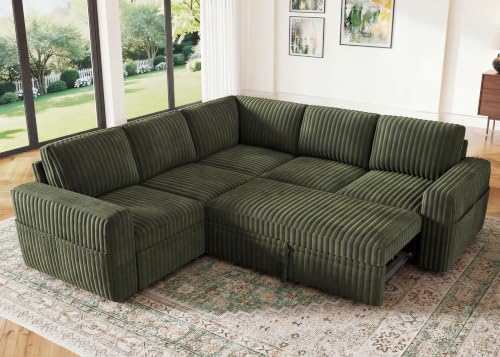
HONBAY Corduroy L Shaped Sectional Sleeper Sofa with Pull Out Bed,Green | modular design,built-In storage, couches for living room and apartment guest sleeping space,removable cushions
Check price on Amazon
BSHOMGI Convertible Futon Sofa Bed, Boneless Couch for Living Room,Modular Futon Couch with Fixed-Shape Frame Corduroy Loveseat Sleeper Sofas with Pull-Out Couches for Small Space Apartment
Check price on AmazonDesign & Placement Tips for Modular Couch Beds
A modular couch bed is a design asset, not just a functional one. Use these strategies to integrate it into your living room:
Anchor the Room with a Rug
Place an area rug under the front legs of the modules to define the seating zone and visually separate it from the rest of an open-plan room. A rug also protects flooring when you rearrange the modules.
Keep Walkways Clear
Leave at least 36 inches (91 cm) between the couch and doorways or other furniture. Modular systems can be rearranged to open up traffic flow when hosting guests.
Use Lighting Zones
Combine a floor lamp beside the seating area with a dimmable overhead fixture. When the couch converts to a bed, lower the lighting to create a restful guest space.
Coordinate Throw Pillows and Throws
Since modular sections have clean lines, layered textiles add warmth and personality. Use two to three complementary colors and swap them seasonally. Browse our throw pillows guide for arrangement ideas.
Care & Maintenance for Long-Lasting Performance
Modular couch beds have more moving parts than standard sofas, so a simple maintenance routine keeps them working smoothly for years:
- Vacuum upholstery weekly and rotate or flip cushions monthly to distribute wear evenly.
- Check module connectors every few months and tighten any loose brackets.
- Clean stains promptly with a mild upholstery cleaner matched to your fabric type.
- Store the mattress topper or bedding in a breathable bag when not in use.
- Keep the couch out of direct sunlight to prevent fading, especially on leather models.
For deeper cleaning guidance, explore our full section on couch care and maintenance. If you are deciding between modular and fixed options, the sectional couch with chaise and sleeper guide is a useful comparison. You may also like the waterproof L-shaped sectional couch covers for extra protection.
Who Should Buy a Modular Couch Bed?
Ideal For
- Apartment dwellers who need multi-purpose furniture
- Homeowners with frequent overnight guests
- Renters who move and need adaptable furniture
- Open-plan homes that host movie nights and gatherings
- Families who want to refresh the layout without buying new seating
Consider Alternatives If
- You need a dedicated, permanent guest bed (a traditional sleeper sofa may be sturdier)
- Your room is very small and the conversion footprint is too large
- You prefer a single, fixed sofa design with no reconfiguration
- You rarely host overnight guests and want simpler maintenance
Quick Buying Checklist
Before you order, run through these five points to avoid common mistakes:
- Measure twice: Confirm both seating and bed footprints, plus doorway width for delivery.
- Confirm the sleep system: Identify whether it uses a pull-out frame, fold-flat cushions, or a topper, and how thick the sleeping surface is.
- Check connector quality: Metal brackets and reinforced joints hold modules together better than simple straps.
- Review upholstery options: Choose performance fabric or treated leather if you have kids or pets.
- Plan module expansion: Buy from a system that lets you add modules later, so the couch grows with your needs.
For related sleeping solutions, compare the queen futon couch bed, the king-size pull-out couch bed, and the lazy bed couch. If you need a compact option, the mini futon couch is worth reviewing.
Frequently Asked Questions
What is the difference between a modular couch bed and a sleeper sofa?
A sleeper sofa has a fixed frame with a fold-out mattress. A modular couch bed is built from reconfigurable modules and may use a pull-out mechanism, fold-flat cushions, or a platform with a topper. Modular systems offer more layout flexibility and easier transport.
Can I sleep on a modular couch bed every night?
Yes, if the model includes a proper mattress or high-density foam sleep surface designed for regular use. Check the manufacturer's guidance on mattress thickness and support. Mid-range and premium models are usually better suited to nightly sleeping than entry-level fold-flat designs.
How many modules do I need for a comfortable bed?
Most bed configurations require at least three to four seat modules plus a corner or ottoman, depending on the system. Measure the intended sleeping length and width before ordering, and confirm that the assembled platform is flat and gap-free.
Are modular couch beds suitable for small apartments?
Yes, especially straight or L-shaped configurations. Choose a system with modular pieces that can be split and moved individually. Avoid deep chaises in narrow rooms, and confirm that the converted bed does not block doorways.
How do I keep the modules from sliding apart?
Look for systems with metal interlocking brackets or heavy-duty straps. Place the couch on a rug or carpet to add friction, and check connectors periodically. Avoid placing modules on smooth hard floors without a rug underneath.