Painting a Couch: The Complete Transformation Guide
Turn a faded, mismatched, or dated sofa into a statement piece you love. This guide walks you through fabric selection, paint choices, preparation, application, curing, and long-term care — with honest limits so you know exactly what to expect before you start.
Start With PreparationCan You Really Paint a Couch?
Yes — with realistic expectations. Painting upholstery is not the same as painting a wall. Fabric absorbs pigment differently than drywall, and the result depends heavily on fiber content, weave density, and how the paint is applied. A tightly woven cotton or linen blend will accept paint far more predictably than a loose knit, velvet, or microfiber with a deep pile.
People paint couches for several reasons: the fabric is structurally sound but cosmetically worn, the color no longer fits a redecorated room, or a secondhand find needs a refresh before it earns a place in the living room. If the frame, cushions, and springs are still in good condition, painting is a legitimate way to extend the useful life of a piece you already own. If the structure is failing, no amount of surface treatment will fix it — and it may be wiser to explore a reupholstering project or consider a newer model altogether.
The honest reality: painted upholstery will feel different from untreated fabric. It may be slightly firmer, especially on the first few weeks. With the right technique — thin layers, fabric medium, and thorough curing — most people find the trade-off acceptable for the visual transformation they gain.
Which Fabrics Accept Paint Best
Before you open a single can, identify what your couch is made of. The care tag sewn under a seat cushion is the fastest reference. If the tag is missing, a small fiber test in a hidden area can help — natural fibers tend to burn to ash, while synthetics melt into a bead.
| Fabric Type | Paint Absorption | Best For | Notes |
|---|---|---|---|
| Cotton / Cotton Blend | Excellent | Entry-level and mid-range couches | Tight weave holds pigment well; feels softer after curing |
| Linen | Very good | Premium natural-fiber sofas | Textured surface can show brush marks; thin layers matter |
| Canvas / Duck Cloth | Excellent | Heavy-duty or family couches | Dense weave is forgiving and hides minor application flaws |
| Polyester Blend | Moderate | Mid-tier everyday sofas | Requires fabric medium; test a hidden patch first |
| Microfiber | Variable | Entry-level to mid-range couches | Can become stiff; work in very thin coats |
| Velvet / Plush | Poor | Not recommended | Pile crushes and matts; paint destroys the nap |
| Leather / Faux Leather | Different process | Only with leather-specific products | Requires dedicated leather dye or paint — not fabric paint |
If you are working with a leather or faux leather couch, fabric paint is the wrong tool. Leather needs a flexible leather dye or a leather-specific coating that bonds with the surface rather than soaking into fibers. For more on that distinction, see our comparison of leather versus faux leather couches to understand how each material behaves over time.
Choosing the Right Paint
There are two reliable paths: dedicated fabric paint, or acrylic paint mixed with a fabric medium. Both work; each has trade-offs.
- Dedicated fabric paint — formulated to remain flexible after drying. It is the simplest option for beginners because the ratio is already balanced. Quality varies by tier: entry-level fabric paints may need more layers, while premium fabric paints often cover in fewer coats and feel softer.
- Acrylic paint plus fabric medium — a flexible, widely available approach. Mix roughly two parts acrylic to one part medium (follow the medium's label). This gives you a broader color range and lets you use paint you may already own. The medium is what keeps the finish from cracking when someone sits down.
Choose a matte or satin finish rather than gloss. Glossy paint on fabric looks artificial and highlights every application irregularity. A matte finish reads as fabric, not as a painted surface.
One more consideration: color behavior on fabric is not the same as on a swatch card. Fabric absorbs and dulls pigment, so the final result typically appears one to two shades lighter and slightly more muted than the wet paint. If you are matching an existing room palette, test on a hidden patch and let it cure fully before committing to the whole couch.
Tools and Materials Checklist
Gather everything before you begin. Stopping mid-project to hunt for a brush disrupts the thin-layer rhythm that makes a painted couch look intentional.
- Fabric paint or acrylic paint plus fabric medium
- Paint trays or shallow containers for mixing
- Stiff-bristle brushes for working paint into the weave
- Small foam rollers for large flat panels
- Painter's tape for protecting legs, piping, and trim
- Drop cloths or plastic sheeting for the work area
- Vacuum with an upholstery attachment
- Lint-free cloths and a spray bottle of water
- Nitrile gloves and a well-ventilated space
- Sandpaper (fine grit) for smoothing any drips after curing
You will also want a comfortable work height. Many people elevate the couch on blocks or remove cushions and work on a table. If your couch already sits on risers for cleaning purposes, our guide to under-the-couch blockers covers how to lift and stabilize furniture safely during projects like this.
Preparation: The Make-or-Break Step
Most disappointing painted-couch results trace back to skipped preparation. Paint bonds to clean, dry, residue-free fabric. Anything else — body oils, pet dander, fabric softener residue, dust — creates a barrier that causes peeling, blotchiness, or uneven absorption.
- Remove cushions and tape off hardware. Take every removable cushion off the frame. Tape legs, wooden trim, metal feet, and any piping you want to preserve. If the couch has a pull-out or reclining mechanism, tape around the joints so paint does not gum up moving parts.
- Vacuum thoroughly. Use the upholstery attachment on every surface, including crevices between the seat and back. Repeat until no visible dust or debris lifts off. This step alone prevents a surprising number of finish defects.
- Spot-clean and degrease. Treat any stains now — paint will not hide them, and it may lock them in. Follow the fabric's care guidance. For general upholstery cleaning methods, our guide to removable washable covers covers safe approaches for different fabric types, many of which apply here.
- Let everything dry completely. Damp fabric will dilute the paint and cause uneven absorption. Give the couch 24 hours in a ventilated space after any cleaning. This is not optional.
- Test on a hidden patch. Choose an area under a cushion or at the back of the frame. Apply one thin coat of your chosen paint and let it cure for 24 to 48 hours. Check for color accuracy, stiffness, and adhesion. This single step tells you whether the project will succeed before you commit the whole couch.
Application Techniques That Work
The governing principle is thin layers, worked into the weave, with full drying time between coats. Thick paint sits on top of the fabric, cracks when compressed, and feels like a shell. Thin paint penetrates the fibers and moves with them.
- Start with a thin first coat. Load the brush lightly. Work in small sections, pushing paint into the weave rather than laying it on top. On large flat panels, a foam roller followed by a dry brush to even out texture works well. Do not aim for full coverage on the first pass.
- Let the first coat dry fully. Follow the product's recoat time, typically several hours. Cool, humid conditions extend drying time significantly. If the surface feels cool or tacky, it is not ready.
- Add two to three more thin coats. Most projects need three to four total coats for even color. Between coats, lightly run a lint-free cloth over the surface to catch any raised fibers or loose pigment. If a section looks streaky, resist the urge to load more paint — another thin coat will even it out better than one heavy one.
- Treat cushions separately. Paint removable cushions flat on a protected surface. Pay attention to the edges and corners, where paint tends to pool. Rotate cushions so you can reach all sides without dragging wet fabric.
- Watch the seams and piping. Paint collects in stitched areas. Use a smaller brush to work it in evenly, and wipe away any excess before it dries. Pooled paint at seams is the most common cause of cracking.
Curing and Setting the Finish
Drying and curing are not the same thing. Paint may feel dry to the touch within hours, but full curing — where the finish reaches its final flexibility and adhesion — takes days to weeks depending on the product. Rushing this stage is the second most common cause of premature wear.
- Allow 24 to 48 hours of air drying before reassembling the couch. Keep the room ventilated and avoid direct sunlight, which can cause uneven curing.
- Wait at least 72 hours before normal use for light sitting, and up to a week for heavy daily use. This is especially important on seat cushions, which take the most compression.
- Some fabric paints recommend heat-setting with an iron or a low-temperature tumble. Follow the product instructions exactly. If ironing, use a pressing cloth and keep the iron moving.
- Expect a brief break-in period. The fabric may feel slightly firm at first and soften with use. If any area feels excessively stiff, a very light sanding with fine grit after full curing can help, followed by a lint-free wipe-down.
Long-Term Care for a Painted Couch
A painted couch is not fragile, but it does need a slightly different maintenance routine than untreated upholstery.
- Vacuum regularly with a soft upholstery attachment. Grit and dust abrade the painted surface over time.
- Blot spills immediately. Do not rub. A clean, damp cloth with a drop of mild soap is usually enough. Rinse with a cloth dampened with plain water and blot dry.
- Avoid harsh solvents. Alcohol, acetone, and abrasive cleaners can strip or dull the painted finish.
- Rotate cushions every few months so wear distributes evenly across seats and backs.
- Keep the couch out of direct sun where possible. UV exposure fades painted fabric faster than untreated fabric in some cases.
- Address small chips early. If a spot wears through, a touch-up with the same paint and a small brush prevents the damage from spreading.
For seasonal upkeep and deeper cleaning between touch-ups, the fabric-care principles in our sectionals with removable washable covers article translate well — the key is always matching the cleaning method to the finish, not the original fiber alone.
When Painting Isn't the Right Choice
Painting is a practical option in many cases, but not every couch is a good candidate. Walk away from the project — or reconsider your plan — in these situations:
- The fabric is velvet, plush, or deeply textured. Paint destroys the nap and leaves a matted, uneven surface.
- The couch is leather or bonded leather. Fabric paint will not bond correctly. Use leather-specific products or explore other options.
- The frame, springs, or cushions are failing. Cosmetic paint cannot fix structural problems.
- The couch is in a high-traffic family room with pets and young children. Painted upholstery wears faster under heavy use than a durable performance fabric. In that case, a couch designed for the job — such as a heavy-duty couch — may be the better long-term path.
- You want a factory-perfect finish. Painting produces a handcrafted result, not a manufactured one. Small variations in texture and tone are part of the outcome.
If any of these apply, a different approach — reupholstering, a slipcover, or replacing the piece — will likely serve you better. For couches that are structurally solid but cosmetically dated, painting remains one of the most accessible transformations available.
Frequently Asked Questions
Can you really paint a fabric couch?
Yes. Fabric couches can be painted with dedicated fabric paint or acrylic paint mixed with a fabric medium. Tightly woven natural fibers like cotton and linen accept paint best. The result is a cosmetic refresh, not a factory finish, but a well-executed project can last several years with normal use.
What type of paint is best for painting a couch?
Fabric-specific paint is the most straightforward option because it is formulated for flexibility. Acrylic paint mixed with fabric medium is a close alternative and offers a wider color range. Matte or satin finishes look more like fabric than gloss. Avoid straight acrylic without medium — it dries stiff and cracks.
How long does painted couch fabric last?
A properly prepared, thinly coated, and fully cured couch can hold up for several years. Durability depends on fabric type, paint quality, number of coats, and how the couch is used. High-contact areas like seat cushions may show wear sooner than backs and armrests.
Does painting a couch make the fabric stiff?
Some firmness is normal, especially at first. Using fabric medium, applying thin layers, and allowing full curing all reduce stiffness. The hand-feel often improves after a few weeks of use as the paint flexes with the fabric.
Can I paint a leather couch with fabric paint?
No. Leather and faux leather require leather-specific dyes or coatings that bond with the surface rather than soaking into fibers. Fabric paint on leather will peel or flake. For a deeper comparison of these materials, see our article on leather vs faux leather couches.
How many coats of paint does a couch need?
Most projects need three to four thin coats for even color. The goal is coverage through accumulation of thin layers, not a single heavy coat. Heavy coats feel stiff, crack at seams, and wear poorly.
Do I need to remove the cushions before painting?
Yes, for the best result. Removable cushions should be painted flat and separately so you can reach the edges evenly. The frame is easier to work on when cushions are out of the way, and the finish is more consistent.
Can painted couch fabric be washed?
Spot-clean only. Machine washing or fully soaking a painted couch cushion is not recommended — it can soften, lift, or crack the finish. Blot spills immediately and vacuum regularly to keep the surface clean.
Top Fabric Paints & Painting Tools for Couch Makeovers
⚠️ AFFILIATE DISCLOSURE: This website contains affiliate links. As an affiliate Associate, we earn from qualifying purchases. If you make a purchase through these links, we may receive a small commission at no additional cost to you. Read our full affiliate policy.

Tony Couch's Keys to Successful Painting
Check price on Amazon
Axgatoxe 12 x 9 Ft Plastic Drop Cloths for Painting (6-Pack) | Plastic Painter's Sheeting & Tarps for Painting Supplies, Waterproof & Dust-proof Furniture/Couch/Floor Protection Cover
Check price on Amazon
FORTIVO Leather Recoloring Balm, Leather Color Restorer, Scratch Remover, Couch Paint and Repair, Leather Balm for Couches - Dark Brown
Check price on Amazon
Color & Frame - Painted Deserts (Adult Coloring Book)
Check price on Amazon
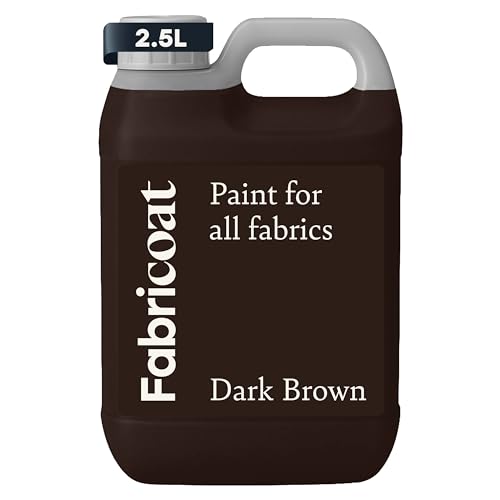
Fabricoat Fabric Paint & Upholstery Dye, Dark Brown, Flexible Finish
Check price on Amazon
FORTIVO Leather Recoloring Balm, Color Restorer, Scratch Remover, Couch Paint and Repair, Leather Balm for Couches
Check price on Amazon
Plastic Drop Cloths for Painting, 9x12 Ft Plastic Sheeting, 0.4Mil (8-Pack) | Clear Painter's Plastic Film, Dust-proof Waterproof Painting Supplies for Furniture, Floor, Couch Protector
Check price on Amazon