
Reclining Couches That Aren't Ugly: Stylish Comfort Redefined
You want the comfort of a recliner without the bulky, overstuffed look that dominates traditional models. This guide explains how modern design has solved that problem — so you can choose a reclining couch that genuinely belongs in a beautifully styled living room.
Explore Buying FactorsWhy this page matters: Most visitors arrive here after discovering that comfort and style no longer need to be traded off. The modern reclining couch market has shifted dramatically — hidden mechanisms, tailored upholstery, and clean silhouettes now make it possible to own a recliner that looks like a designer sofa. Below we break down exactly what to look for, how to evaluate quality tiers, and which configurations suit which rooms.
On This Page
Why Reclining Couches Earned Their Reputation
The stereotype is well-earned. For decades, reclining couches were engineered around oversized mechanisms that forced bulky frames, puffy roll arms, and loose pillow-back cushions. Manufacturers prioritized the mechanics over the silhouette, and the result was furniture that looked out of place in any thoughtfully designed room.
Three technical constraints drove that look:
Oversized Mechanism Housing
Early reclining hardware required deep frames and thick side panels to house the spring and lever systems, which forced a bulky footprint no matter how the upholstery was styled.
Pillow-Back Construction
Loose, overstuffed back cushions were used to hide the internal frame and hardware seams. That construction read as informal and heavy compared to tailored sofa backs.
Limited Upholstery Options
Early recliners were typically wrapped in thick, shiny leather or heavy microfiber because those materials tolerated the friction of moving parts. Both finishes aged poorly and looked dated.
None of those constraints were aesthetic choices — they were engineering compromises. Understanding that distinction matters, because it explains why the modern market looks so different. Today's mechanisms are smaller, quieter, and more precisely engineered, which frees designers to build reclining couches on the same frames as conventional sofas.
The Design Shift: What Changed
The reclining couch category has been quietly reinvented. If you have not shopped for one recently, the difference is significant. Four developments drive the change:
Hidden & Zero-Wall Mechanisms
Modern wall-hugger and zero-wall mechanisms let the footrest deploy with minimal rear clearance, which removes the need for a deep, boxy frame. The visible profile now matches a standard sofa.
Power Headrests & Recline
Electric motors replace levers and handles, eliminating protruding hardware. The result is a clean side panel and a smoother, quieter recline motion that feels premium.
Tight-Tailored Upholstery
Designers now specify tight seat and back construction, which conceals mechanism seams and reads as a tailored sofa rather than a loose recliner. Performance fabrics and smooth leathers lead this trend.
Modular & Sectional Formats
Reclining capability is increasingly built into modular sectionals and compact loveseats, so the recliner is one component of a coordinated seating arrangement rather than a standalone oddity.
The practical takeaway: a modern reclining couch should be evaluated on the same criteria as any premium sofa — frame construction, cushion density, upholstery durability, and silhouette — with the mechanism treated as an added feature rather than a defining visual trait. This is the core principle behind the rise of the reclining couch that doesn't look like a recliner, a category that has become the default for design-conscious buyers.
Key Buying Factors for a Stylish Reclining Couch
When comfort and aesthetics are equally important, the evaluation criteria shift. Below are the factors that separate a genuinely well-designed reclining couch from a compromised one.
Silhouette & Arm Profile
Look for track arms, tapered legs, and straight lines. Track and flange arms read as modern and conceal mechanism housing far better than puffy rolled arms. A visible leg line elevates the piece and prevents the "furniture on casters" look.
Mechanism Type
Wall-hugger and zero-wall designs are the most space-efficient. Power recline with a hidden hand control is cleaner than a manual lever. Confirm the mechanism is rated for the intended use — frequent daily use warrants a heavier-duty spec than occasional use.
Upholstery Choice
Tight weaves, performance fabrics, and smooth leathers conceal seams and tolerate mechanism friction. Avoid loose, highly textured covers that emphasize hardware movement. Performance fabric is especially practical for households with pets or children.
Cushion Construction
High-resilience foam wrapped in fiber, or pocketed coil cores, hold their shape through repeated recline cycles. Low-density foam compresses quickly in the seat where the mechanism flexes most.
Frame & Joint Quality
Kiln-dried hardwood frames with corner-blocked and glued joints handle recline torque far better than particle board. Ask specifically about the frame material and joint construction.
Footprint & Clearance
Measure the wall clearance required for full recline, not just the closed footprint. Wall-hugger models typically need far less rear clearance and are the safer choice in tighter rooms.
For buyers weighing configurations, a reclining couch and chair set offers coordinated styling and consistent mechanisms across the seating group, which avoids the mismatched look that often undermines a living room arrangement.
Configuration Comparison by Quality Tier
The table below compares common reclining couch formats using universal quality tiers rather than numeric figures. Use it to align your priorities with a realistic market position.
| Configuration | Tier Position | Best For | Design Notes |
|---|---|---|---|
| Compact power reclining loveseat | Mid-range | Apartments and smaller living rooms | Clean two-seat profile with hidden footrests; wall-hugger mechanism suits tight clearance |
| Reclining sectional with chaise | Mid-to-premium | Family rooms and open-plan layouts | Chaise adds lounge function without visual bulk; modular pieces hide mechanisms well |
| Power reclining sofa with headrest | Premium | Design-focused living rooms | Power headrest and recline keep side panels clean; tailored upholstery reads as a standard sofa |
| Reclining loveseat with drop-down console | Mid-range | Multipurpose living spaces | Console folds away for a seamless look; choose models with tight back cushions to avoid a bulky read |
| Modular reclining sectional | High-end tier | Large rooms and long-term layouts | Individual reclining modules can be reconfigured; strongest silhouette control when specified with tight tailoring |
Tier positioning reflects relative market standing, not a judgment of suitability. A well-specified mid-range model with a wall-hugger mechanism and tight upholstery will often look better in a styled room than a loosely tailored high-end tier piece with an oversized frame. The reclining couches that aren't ugly category is defined by design discipline, not tier.
Pre-Purchase Checklist
Before you commit, verify the following:
- Measure wall clearance for full recline — not just the closed footprint. Confirm the mechanism type and the manufacturer's stated clearance.
- Confirm the mechanism rating — daily-use furniture needs a heavier-duty spec than occasional-use furniture.
- Inspect the arm and leg profile — track arms and visible legs read as modern; rolled arms and skirted bases read as traditional recliner.
- Check cushion density and core type — high-resilience foam or pocketed coil cores hold shape through repeated recline cycles.
- Ask about frame material and joints — kiln-dried hardwood with corner-blocked joints handles recline torque best.
- Test the power controls — if power recline is specified, confirm hand control placement and whether a battery backup is available.
- Review upholstery durability — performance fabric or smooth leather conceals seams and tolerates mechanism friction.
- Plan the room layout — allow for walkway clearance and confirm the reclined position does not block traffic flow.
Common Mistakes to Avoid
Buying on Mechanism Alone
The mechanism is a feature, not the design. A smooth recline cannot compensate for a bulky frame or loose upholstery that fights the room's aesthetic.
Ignoring Rear Clearance
Many buyers measure the closed footprint and assume it fits. Confirm the full recline clearance, or choose a wall-hugger model to avoid a costly layout problem.
Skipping the Upholstery Test
Tight weaves and performance fabrics hide mechanism seams. Loose, highly textured covers emphasize hardware movement and undercut the clean look you are paying for.
Overlooking Power Headrests
A power headrest lets the back cushion sit flatter when closed, which keeps the silhouette clean. Manual headrests often protrude and read as recliner hardware.
Related Guides on CouchFocus
- Reclining Couch That Doesn't Look Like a Recliner
- Reclining Sectional That Doesn't Look Like One
- Reclining Sectional for Small Spaces
- Reclining Sectional with Adjustable Headrest
- Reclining Loveseat with Fold-Down Console
- Reclining Couch with Fold-Down Console
- Reclining Love Seat with Cup Holders
- Reclining Sectional with Charging Station
Ready to Compare Your Options?
The recommended reclining couches below are selected for clean silhouettes, quality mechanisms, and materials that hold up to daily use. Review the specifications and confirm the wall clearance before you commit.
View Recommended ModelsRecommended Reclining Couches That Aren't Ugly
⚠️ AFFILIATE DISCLOSURE: This website contains affiliate links. As an affiliate Associate, we earn from qualifying purchases. If you make a purchase through these links, we may receive a small commission at no additional cost to you. Read our full affiliate policy.

Power Reclining Sectional Sofa Set, Zero Gravity Recliner Couch with USB | Premium Fabric, USB Port 2 Console Storage 4 Cup Holders
Check price on Amazon
Oversized Power Recliner Sectional Sofa with Wireless Charger,Large Reclining Sectionals Couch Set with 2 Electric Chenille Recliner,USB Type-C,Storage Consloe for Living Room,32.6" Seat Width,Gray
Check price on Amazon
Power Reclining Sectional Couch for Living Room - Seats 8 People, Faux Leather Sectional Recliner Living Room Sofa Set with 4 Power Recliners, LED, USB Ports, Cup Holders, Storage, 500 lb/Seat, Black
Check price on Amazon
RIHEREFY Power Reclining Sofa with Heat&Massage, Reclining Couch with Multi-Function Console/USB Ports/Type C, Wall Hugger 3 Seater-Sofa Recliner, Reclining Sofa Couch for Living Room
Check price on Amazon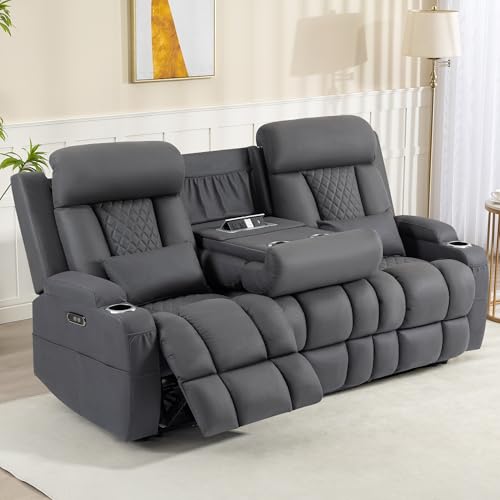
Neptane Zero Wall Hugger Power Reclining Sofa with Adjustable Headrest, Electric Reclining Couch with Drop-Down Table,Outlets, Power Loveseat Recliner Sofa for Living Room (Gray, 3 Seat)
Check price on Amazon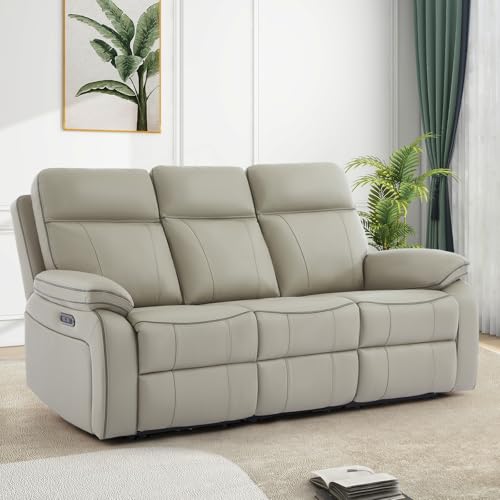
Neptane Power Reclining Sofa with Fold Down Table, Breathable Leather Electric Reclining Couch, Power Loveseat Recliner Sofa with Cup Holders/Outlets/USB-C/A Ports for Living Room(Grey, 3 Seat)
Check price on Amazon
Toseslo Power Recliner Sectional Sofa Set, Living Room Furniture Sets, Leather Reclining Corner Couches and Chair, 2 Recliner Chair with Cup Holder/Storage Console for House/Living Room(Beige)
Check price on Amazon
RIHEREFY Reclining Loveseat with Rocker Function,Cat-Proof Loveseat Recliner Sofa with Phone Holder/USB/Type C, RV Double Rocker Reclining Couch for Home Theater,Living Room (Gray)
Check price on AmazonFrequently Asked Questions
Do reclining couches that don't look like recliners actually exist?
Yes. Modern reclining couches use hidden mechanisms, clean silhouettes, and tailored upholstery so they resemble a standard sofa or sectional until you activate the footrest. Power headrests and wall-hugger mechanisms have removed the bulky side panels that defined older models.
What mechanism makes a recliner look less bulky?
Wall-hugger and zero-wall mechanisms require less clearance and reduce the visible frame. Power headrests and hidden footrests also keep the profile low and streamlined, which is why they are standard on design-focused models.
Are reclining sectionals suitable for small spaces?
Yes. Many reclining sectionals are designed for small spaces with compact footprints, wall-hugger mechanisms, and modular pieces that fit tighter rooms. Measure the full recline clearance, not just the closed footprint.
What upholstery hides recliner mechanisms best?
Tightly tailored fabrics, performance weaves, and smooth leather or faux leather tend to conceal seams and mechanisms better than loose, bulky covers. Performance fabric is also the most practical choice for households with pets or children.
Should I choose a power recliner or a manual one?
Power recline eliminates protruding handles and produces a cleaner side panel, which matters for style. Manual mechanisms are simpler and have fewer electronic components. If you choose power, confirm hand control placement and whether a battery backup is available.