
Single Seater Couch: The Complete Guide to Choosing Your Perfect Accent Seat
Whether you need a cozy reading corner companion or a stylish accent for your living room, a single seater couch delivers comfort and character in one compact package. This guide walks you through every decision point so you can choose with confidence.
Why a single seater couch deserves your attention: A single seater couch—often called an accent chair, armchair, or single sofa—is one of the most versatile pieces of furniture you can own. It fills awkward corners, completes a conversation circle, and gives you a personal spot to unwind. Unlike larger sofas, it lets you experiment with color, texture, and silhouette without dominating the room. This guide covers everything from frame construction to fabric selection, so you can make a well-informed decision that fits your space and lifestyle.
What Is a Single Seater Couch and Why Own One?
A single seater couch is an upholstered seating piece designed for one person. It typically features a seat width between 18 and 24 inches, with a backrest, armrests, and a frame that supports a single cushion. While the term overlaps with "accent chair" and "armchair," a single seater couch generally implies a more substantial build—often with deeper cushioning and a broader frame—that feels like a miniature sofa rather than a lightweight side chair.
There are several compelling reasons to add one to your home:
- Flexible placement: A single seater couch fits in spaces where a loveseat or full sofa cannot—think bedroom corners, hallway nooks, or beside a fireplace.
- Design focal point: Because it occupies less visual weight than a large sofa, it becomes an opportunity to introduce a bold color, pattern, or sculptural silhouette.
- Conversation-friendly: Placing two single seater couches opposite each other creates an intimate seating arrangement that encourages face-to-face conversation.
- Personal comfort: A dedicated single seat gives each family member their own spot, reducing the "sofa sprawl" effect in shared living spaces.
- Easy to move and reconfigure: Lighter than full sofas, a single seater couch lets you refresh your layout without heavy lifting.
If you are furnishing a small apartment or a compact living room, a single seater couch can serve as your primary seating. You can pair it with a compact sofa—such as a loveseat or a small couch with ottoman—to create a complete seating zone without overcrowding the floor plan. For those exploring broader seating options, our couch types guide provides a helpful overview of every category.
Types of Single Seater Couches: Find Your Style
Single seater couches come in a wide range of styles, each with its own personality and practical advantages. Understanding the main categories helps you narrow down your options before you start shopping.
1. Accent Armchair
The classic accent armchair is the most common type of single seater couch. It features a defined backrest, two armrests, and a seat cushion that may be removable or fixed. Accent armchairs range from entry-level models with simple frames to premium and luxury pieces with hand-finished detailing. They work well in living rooms, bedrooms, and home offices.
2. Club Chair
A club chair is a deeper, lower-slung single seater couch with a boxy silhouette and thick cushioning. Originally designed for gentlemen's clubs, it now fits beautifully in modern and traditional interiors alike. Club chairs are particularly comfortable for long reading sessions because of their generous seat depth.
3. Slipper Chair
A slipper chair is an armless single seater couch with a low back and a compact footprint. It is an excellent choice for tight spaces, vanities, or bedroom corners. Because it lacks arms, it can slide under a desk or fit into narrow gaps where a standard armchair would not.
4. Wingback Chair
The wingback chair features high backrests with side "wings" that shield the sitter from drafts and distractions. It is a traditional style that adds a sense of heritage and coziness. Modern wingbacks often reinterpret the silhouette with cleaner lines and contemporary fabrics.
5. Recliner Single Seater
A recliner single seater couch includes a mechanism that allows the backrest to recline and, in many models, a footrest to extend. These are ideal for lounging, watching television, or napping. Recliners are available in manual and power versions, with power models typically falling into the mid-range to premium tiers.
6. Swivel Chair
A swivel single seater couch rotates on a base, making it easy to change viewing angles without moving the furniture. Swivel chairs are popular in open-plan living areas where you might want to face the television, the fireplace, or a conversation partner in turn.
7. Chaise Lounge (Single Seater Variant)
While a chaise lounge is technically designed for reclining rather than upright sitting, single-person chaise lounges function as a hybrid between a couch and a daybed. They are excellent for relaxation-focused spaces. For more on this category, see our chaise lounges page.
Each of these styles can be adapted to your preferred aesthetic. If you are building a coordinated seating group, consider how your single seater couch will relate to other pieces. For example, a pair of swivel chairs can complement a sectional couch in an open-plan living room, while a single wingback might stand alone in a bedroom reading nook.
Materials and Upholstery: Choosing the Right Fabric
The upholstery you choose determines how your single seater couch looks, feels, and holds up over time. Here is a breakdown of the most common options, along with guidance on matching material to lifestyle.
Fabric Options
- Performance fabric: Engineered for stain resistance and durability, performance fabrics are an excellent choice for households with children or pets. They are typically woven from synthetic fibers and can mimic the look of cotton, linen, or velvet. Performance fabric single seater couches represent a solid choice for high-traffic living rooms.
- Cotton and linen: Natural, breathable, and soft to the touch. Cotton and linen blends offer a relaxed, casual look. They are comfortable but may require more careful maintenance and are less resistant to stains than performance fabrics.
- Velvet: Velvet upholstery brings a rich, luxurious feel to a single seater couch. It is dense and soft, making it ideal for a bedroom or a formal sitting area. Velvet requires gentle cleaning and may show crush marks over time, which some owners consider part of its charm.
- Leather: Leather is durable, easy to wipe clean, and develops a natural patina with age. Top-grain leather is the most common choice for upholstery, offering a balance of durability and suppleness. Leather single seater couches are a long-term investment that can last for many years with proper care.
- Microfiber: A synthetic fabric with a soft, suede-like feel. Microfiber is resistant to stains and spills, making it a practical option for family homes. It is typically found in entry-level and mid-range single seater couches.
Frame Construction
The frame is the skeleton of your single seater couch and largely determines its longevity. Look for frames made from kiln-dried hardwood, such as oak, maple, or birch. These materials resist warping and cracking. Plywood frames are common in entry-level furniture and can be adequate for lighter use, but they are less durable than solid wood. If you plan to use the chair daily, prioritize a solid wood frame with reinforced joinery—dowels, screws, and corner blocks are signs of durable construction.
Filling and Cushioning
Seat cushions typically use one of three filling types:
- High-density foam: Offers firm, consistent support and holds its shape well over time. This is the most common filling in modern single seater couches.
- Down and feather: Provides a plush, sink-in feel but requires frequent fluffing and may not suit those who prefer firm support.
- Foam-and-down blend: Combines the structure of foam with the softness of down. This hybrid approach is often found in mid-range and premium single seater couches.
If you are concerned about maintenance, a performance fabric or leather cover paired with a high-density foam seat offers the most straightforward care routine. Our fabric sofas and leather sofas guides explore these materials in greater depth.
How to Choose the Right Size Single Seater Couch
Size is one of the most important factors in selecting a single seater couch. A piece that looks perfect in the showroom can feel cramped—or lost—in your actual room. Follow these steps to get the fit right.
Step 1: Measure Your Space
Measure the length and width of the area where the chair will go. Do not forget to account for doors, windows, and any built-in furniture. As a rule of thumb, allow at least 18 inches of clearance around the chair so it does not feel crowded and so you can move past it comfortably.
Step 2: Determine Seat Width and Depth
Seat width is the internal width between the armrests. For most adults, a seat width of 18 to 24 inches is comfortable. Seat depth—the distance from the front edge of the seat to the backrest—affects how you sit. A depth of 20 to 22 inches suits upright sitting, while deeper seats (24 inches or more) are better for lounging. If you are tall, prioritize a deeper seat; if you are petite, a shallower seat will keep your feet grounded.
Step 3: Consider Arm Height and Back Height
Arm height influences comfort when reading or holding a laptop. A back height that reaches your shoulder blades provides good support for extended sitting. Low-back slipper chairs are stylish but less supportive for long periods.
Step 4: Check the Weight and Mobility
If you plan to rearrange your furniture often, a lighter single seater couch is easier to move. Swivel chairs and chairs with casters offer mobility without lifting.
For a deeper dive into layout planning, see our small space layout guide, which includes tips for placing accent seating in compact rooms.
Placement and Styling Ideas for Your Single Seater Couch
Where you place your single seater couch and how you style it can transform its impact. Here are some proven arrangements and styling tips.
Placement Strategies
- The reading nook: Place the chair near a window or a floor lamp, with a small side table for a book and a cup of tea. A tall narrow side table with drawers works well in tight corners.
- The conversation circle: Pair two single seater couches facing each other, or angle one toward a larger sofa to create an L-shaped conversation zone. This arrangement works especially well in open-plan living rooms anchored by a sectional couch.
- The accent corner: Use a single seater couch to fill an empty corner in a bedroom or home office. Add a throw pillow and a throw blanket to make it inviting.
- The TV companion: A swivel or recliner single seater couch positioned at an angle to the television gives you a dedicated viewing spot without committing to a full theater sectional. Our TV viewing layout guide offers more ideas.
Styling Tips
- Layer textures: Combine a smooth leather chair with a chunky knit throw, or a velvet armchair with a linen cushion. Texture mixing adds depth without clutter.
- Use a rug to anchor: Place an area rug beneath the chair to define its zone, especially in open-plan rooms.
- Add a floor lamp: A floor lamp beside the chair creates a focal point and provides task lighting for reading.
- Keep it uncluttered: A single seater couch is small, so avoid piling on too many accessories. One or two well-chosen pillows and a throw are usually enough.
Comfort and Ergonomics: What to Look For
Comfort is subjective, but certain design features consistently contribute to a supportive sitting experience. When evaluating a single seater couch, pay attention to these elements:
- Seat firmness: High-density foam provides firm support that resists sagging. If you prefer a softer sit, look for a foam-and-down blend, but be prepared to fluff cushions regularly.
- Back support: A backrest that follows the natural curve of your spine reduces strain during long sitting sessions. Chairs with lumbar support or a slightly reclined back angle are generally more comfortable for extended use.
- Armrest height: Armrests should allow your shoulders to relax without hunching. When seated, your elbows should rest comfortably at roughly 90 degrees.
- Seat height: A seat height of 17 to 19 inches above the floor suits most adults. If you are taller or shorter than average, adjust accordingly—your feet should rest flat on the floor.
- Weight capacity: Check the manufacturer's stated weight capacity to ensure the frame and cushioning can support you comfortably.
If you have back concerns, consider a chair with a firmer seat and a higher backrest. Recliner models offer adjustable positioning that can relieve pressure on the lower back. For more on supportive seating, see our therapy couch guide.
Understanding Quality Tiers Without the Price Tag
Single seater couches span a wide range of quality levels. Instead of focusing on numbers, think in terms of tiers. This classification helps you set expectations for materials, construction, and longevity.
Starter Tier
Entry-level single seater couches typically use plywood or engineered wood frames, microfiber or basic fabric upholstery, and foam cushions. They suit light use, guest rooms, or temporary setups. Construction is functional but may not withstand daily heavy use for many years.
Balanced Tier
Mid-range models often feature solid wood frames, higher-density foam, and performance fabrics or top-grain leather. These chairs are built for regular daily use and offer a good balance of comfort, durability, and design variety. This tier is the most popular for primary living spaces.
High-End Tier
Premium single seater couches use kiln-dried hardwood frames, reinforced joinery, and high-grade materials such as full-grain leather or designer performance fabrics. Cushioning may include down wraps or advanced foam formulations. These chairs are a long-term investment, built to last for many years of daily use.
Flagship Tier
Luxury single seater couches are often handcrafted with premium hardwoods, artisanal upholstery techniques, and exclusive fabrics. They may include custom detailing, such as hand-stitched seams or bespoke finishes. These pieces are designed as statement furniture and represent a significant investment in craftsmanship.
When comparing tiers, remember that higher tiers generally offer more durable construction and finer materials. A mid-range chair with a solid wood frame and performance fabric will typically outlast an entry-level model with a plywood frame and basic fabric, even though both may look similar at first glance. For a broader perspective on material quality, see our material selection guide.
Care and Maintenance for Your Single Seater Couch
Proper care extends the life of your single seater couch and keeps it looking its best. The specific routine depends on the upholstery material, but some general practices apply across the board.
General Care Tips
- Vacuum regularly: Use a upholstery attachment to remove dust and debris from fabric covers. For leather, wipe with a soft, dry cloth.
- Rotate and flip cushions: If your chair has removable cushions, rotate them periodically to distribute wear evenly.
- Keep out of direct sunlight: Prolonged sun exposure can fade fabric and dry out leather. Position the chair away from intense windows or use curtains to diffuse light.
- Address spills promptly: Blot—do not rub—spills with a clean cloth. For specific stain removal guidance, see our stain removal guide.
Material-Specific Care
- Fabric: Follow the manufacturer's cleaning code. Many performance fabrics can be cleaned with a mild detergent solution. For deeper cleaning, consider steam cleaning or professional upholstery cleaning.
- Leather: Dust regularly and apply a leather conditioner every six to twelve months to prevent drying and cracking. Our leather cleaning guide has detailed instructions.
- Velvet: Brush gently with a soft-bristled brush to restore the nap. Avoid harsh chemicals. For a thorough clean, see our velvet cleaning guide.
If your chair has a removable cover, check whether it is machine washable. Some single seater couches, particularly those in the mid-range and premium tiers, offer machine washable covers for easy maintenance.
Single Seater Couch Buying Checklist
Before you finalize your choice, run through this checklist to make sure you have covered all the essentials:
- Space: Have you measured the floor area and clearance around the chair?
- Purpose: Will the chair be used for reading, TV watching, conversation, or lounging? This determines the ideal style and cushion firmness.
- Material: Does the upholstery suit your lifestyle (pets, children, allergy considerations)?
- Frame: Is the frame made from solid wood or a high-quality engineered material? Are the joints reinforced?
- Comfort: Have you sat in the chair or a similar model for at least ten minutes to assess support?
- Style: Does the chair's silhouette and color complement your existing decor?
- Assembly: Will you need to assemble the chair, and do you have the tools and space to do so? See our assembly guide for general tips.
- Delivery: Have you checked the delivery dimensions and access route to your room? Our delivery preparation guide can help.
- Warranty: What does the warranty cover, and for how long? Review the warranty claims process if applicable.
For a comprehensive first-time buying framework, see our first-time buyer guide.
Complementary Pieces for Your Single Seater Couch
A single seater couch rarely stands entirely alone. Consider how these complementary pieces can complete the arrangement:
- Side table: A tall narrow side table with storage keeps essentials within reach without taking up much floor space.
- Ottoman: A storage ottoman can serve as a footrest, extra seating, or a surface for a tray. For small spaces, a small couch with ottoman arrangement pairs well with a single seater.
- Coffee table: If your single seater faces a larger sofa, a coffee table anchors the seating group.
- Rug: An area rug ties the seating zone together and adds warmth underfoot.
- Lighting: A floor lamp or a table lamp on a side table provides ambient and task lighting.
If you are furnishing an entire living room, our living room layout guide offers layout plans and traffic flow advice.
Recommended Single Seater Couches
⚠️ AFFILIATE DISCLOSURE: This website contains affiliate links. As an affiliate Associate, we earn from qualifying purchases. If you make a purchase through these links, we may receive a small commission at no additional cost to you. Read our full affiliate policy.
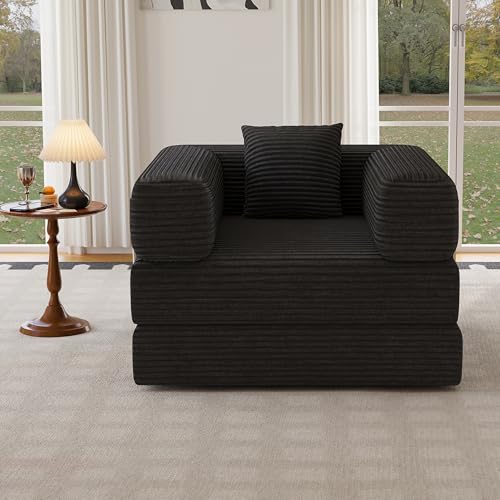
Single Couch Sofa for Small Spaces , 2-in-1 Single Boneless Sofa with Soft Corduroy Foldable Chair Lounger Sleeper Sofas for Small Apartment, Living Room, Home Office , Black, 35.43" Single Sofa
Check price on Amazon
WELAX 33.8" Single Cloud Couch Sofa, Modular Boneless Sectional with Memory Foam, 1 Seater Chenille Sofas No Assembly, Modern Single Seat Couches for Bedroom or Small Spaces, Beige
Check price on Amazon
Cloud Sofa Set, Cloud Single Couch with Throw Pillow, Modern 1 Seater Reading Chair with Deep Seat, Accent Chairs for Living Room, Bedroom, Small Apartment, Brown
Check price on Amazon
Vesgantti 38.5" Accent Chair Beige, Comfy Corduroy Single Sofa Seat with Spring Cushion, Upholstered Armchair with Deep Seat, Reading Chair for Adults, Modern Sofa for Living Room, Bedroom
Check price on Amazon
Single Couch Sofa for Small Spaces , 2-in-1 Single Boneless Sofa with Soft Corduroy Foldable Chair Lounger Sleeper Sofas for Small Apartment, Living Room, Home Office (Beige, 35.43" Single Sofa)
Check price on Amazon
MALOL Pull Out Couch, Futon Sofa Bed, Single Sleeper Sofa, Dark Grey | Small Sofa Bed Couch with USB Port, Foldable Table, Pillow, Adjustable Backrest for Bedroom/College/Living room
Check price on Amazon
PHI VILLA 53.5 Inches Oversized Single Seat Accent Sofa Chair Couch | Chenille Grayish Brown, Wider Armrest, Comfy Deep Seat, Wood Frame, Modern Cloud Sofa Chair for Living Room and Apartment
Check price on Amazon
MALOL Convertible Chair-Fabric Sofa Bed, Single Sleeper Sofa, Dark Grey | Small Futon Pull Out Couch Bed with USB Port, Foldable Table, Pillow, Adjustable Backrest for Dorm/Bedroom/College/Livingroom
Check price on AmazonFrequently Asked Questions About Single Seater Couches
What is a single seater couch best used for?
A single seater couch is ideal for creating a dedicated reading nook, adding accent seating to a living room, furnishing a small apartment, or completing a conversation area. It works well as a standalone statement piece or as part of a larger seating arrangement. In a compact living room, it can even serve as the primary seat, especially when paired with a smaller sofa or a loveseat.
How do I choose the right size single seater couch?
Measure your available floor space and consider the seat width and depth. A standard single seater couch typically offers a seat width between 18 and 24 inches. Allow at least 18 inches of clearance around the chair for comfortable movement. For small spaces, look for compact frames with slim arms, such as slipper chairs. If you are tall, prioritize a deeper seat; if you are petite, a shallower seat will feel more comfortable. Our measurement guide provides detailed steps for measuring a room.
What materials are best for a single seater couch?
The best material depends on your lifestyle and preferences. Performance fabric and leather are durable and easy to clean, making them great for households with pets or children. Velvet offers a luxurious feel, while cotton and linen provide breathable comfort. Consider a performance fabric or top-grain leather for high-traffic areas. Our fabric sofas and leather sofas guides explore the pros and cons of each material.
Can a single seater couch be used as a primary seating in a small apartment?
Yes, a single seater couch can serve as primary seating in a very small apartment or studio, especially when paired with a compact small couch with ottoman or a loveseat. The key is to choose a chair with a comfortable seat depth and supportive cushioning, as you may use it daily. If you frequently host guests, consider a sleeper couch or a sectional with sofa bed for dual functionality.
How do I clean and maintain a single seater couch?
Regular vacuuming with an upholstery attachment removes dust and debris. Rotate removable cushions to distribute wear. Address spills promptly by blotting with a clean cloth. For specific cleaning instructions, refer to the manufacturer's care tag. Leather requires periodic conditioning to prevent drying, while fabric may benefit from professional steam cleaning every 12 to 18 months. See our couch care and maintenance section for detailed guides.
What is the difference between a single seater couch and an accent chair?
While the terms are often used interchangeably, a single seater couch typically implies a more substantial, sofa-like build with deeper cushioning and a broader frame. An accent chair can be lighter and more decorative. Both serve similar purposes, but a single seater couch generally offers more comfort for extended sitting. Our single chair couch page explores this distinction further.
Ready to Find Your Perfect Single Seater Couch?
Explore our curated selection of single seater couches above, or continue reading our guides to make a confident, informed choice for your home.
Start ExploringContinue Your Research
A single seater couch is just one piece of the puzzle. If you are designing a complete living space, these related guides will help you coordinate every element:
- Single couch sofa — Explore the broader category of single-person sofas and how they differ from accent chairs.
- Single arm couch — Learn about asymmetrical designs that save space and add visual interest.
- Two seater couch with chaise — Expand your seating capacity without committing to a full sectional.
- Small sofa bed couch — Combine seating and sleeping functionality in compact spaces.
- Settee couch — Discover a traditional alternative to the standard loveseat or single seater.
- U-shaped sectional with chaise — For larger rooms, explore how a substantial sectional can anchor your layout.
- Living room layout — Put your single seater couch in context with complete room plans.