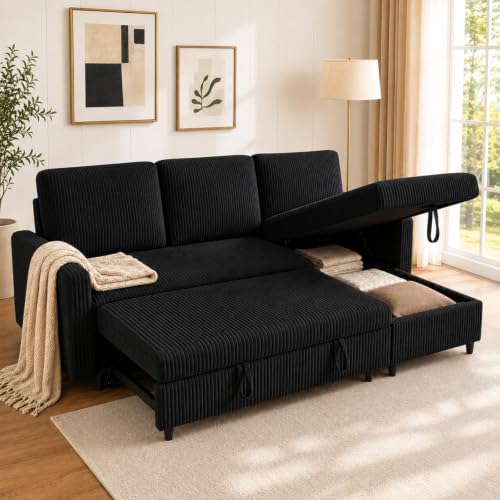
Small Pull Out Couch for Office: The Ultimate Buying and Design Guide
Creating a functional office space often requires furniture that works overtime. A small pull out couch for office is a smart solution that combines comfortable seating with a convenient sleeping option. Whether you need a spot for quick breaks between meetings, a welcoming area for guests, or an emergency bed for late-night work sessions, this compact piece of furniture can transform your workspace. This guide covers everything you need to know before making a decision.
Why Choose a Small Pull Out Couch for Your Office?
Offices come in all shapes and sizes, and a standard sofa may simply be too large for the available floor area. A small pull out couch addresses this challenge by offering a footprint that fits comfortably in tighter rooms while still delivering full-sized comfort when needed. Here are the key advantages:
- Space efficiency: Compact dimensions mean you can place the couch in a corner, along a wall, or even in a dedicated alcove without blocking walkways.
- Dual functionality: During the day it serves as a comfortable seating area for reading, informal meetings, or taking a break. At night or during long shifts, it converts into a bed for rest.
- Guest readiness: If your office occasionally hosts visitors who need to stay overnight, a pull out couch eliminates the need for a separate guest room setup.
- Versatility: Many models include storage compartments, reversible chaise sections, or adjustable backrests, making them adaptable to changing needs.
When exploring options, you may also consider related configurations such as a small L-shaped pull out couch that provides corner seating and a sleeper function in one footprint, or a small couch with pull out bed that prioritizes a streamlined silhouette.
Key Factors to Evaluate Before Buying
Selecting the right model requires careful thought about how the couch will be used and the physical constraints of your office. Below are the most important considerations.
1. Dimensions and Room Layout
Measure your office space thoroughly, including doorways, hallways, and any tight corners the couch must pass through. Pay attention to the depth of the couch when the bed is fully extended—this is often overlooked. A common mistake is to choose a model that fits against the wall but leaves no room for the pull-out mechanism to operate. Leave at least 24 to 36 inches of clearance in front of the couch for the bed to unfold comfortably. For very narrow rooms, a small narrow console table with storage can complement the layout without adding bulk.
2. Mechanism and Ease of Conversion
The pull-out mechanism is the heart of the couch. Look for smooth-gliding metal mechanisms with reinforced joints. Entry-level models may use basic wire-frame systems, while mid-range and premium tiers often feature spring-loaded or piston-assisted mechanisms that require less effort to convert. Test the mechanism if possible, or read customer reviews that specifically mention ease of use and long-term durability.
3. Upholstery and Durability
Office environments see daily wear, so choose fabrics that resist stains and fading. Performance fabrics, microfiber, and leather are excellent choices because they are easy to wipe clean and maintain their appearance over time. If the couch will be exposed to direct sunlight, consider fade-resistant materials. For a deeper look at material trade-offs, our guide on whether to get a leather couch can help you decide.
4. Comfort and Support
A couch that doubles as a bed must provide adequate support in both modes. Look for high-density foam cushions, sinuous spring construction, and a mattress that is thick enough to prevent you from feeling the frame beneath. Some models use memory foam mattresses, which offer superior pressure relief. If comfort is a top priority, explore options like a sleeper sectional with memory foam mattress for a more luxurious rest experience.
5. Storage and Additional Features
Many small pull out couches for offices include hidden storage compartments under the seat or in a chaise section. This is invaluable for storing bedding, office supplies, or personal items. Reversible chaise designs let you configure the couch to suit left- or right-facing layouts. Features like USB charging ports or built-in side tables are becoming more common and can add convenience to your workspace.
Comparing Popular Configurations
The table below outlines common configurations for small pull out couches suitable for office use, along with their typical strengths. This comparison uses tier descriptors to help you gauge relative positioning in the market.
| Configuration | Best For | Tier Descriptor | Key Features |
|---|---|---|---|
| Standard small pull out couch | Compact offices with limited wall space | Essential tier | Simple mechanism, fabric upholstery, twin-size bed |
| L-shaped pull out couch | Corner placement, maximizing seating | Balanced tier | Chaise section, reversible orientation, larger sleeping area |
| Sectional with storage and pull out | Multi-purpose offices needing organization | Mid-tier | Hidden storage, chaise, easy-glide mechanism |
| Premium sleeper with memory foam | Frequent guest use, maximum comfort | High-end tier | Memory foam mattress, reinforced frame, premium upholstery |
Design and Layout Tips for Office Spaces
Placing a pull out couch in an office requires balancing functionality with aesthetics. Here are practical recommendations:
- Anchor the couch with a rug: A small area rug defines the seating zone and protects flooring from the pull-out mechanism.
- Add a side table: A small accent table for living room or a side table that goes under couch provides a surface for drinks, lamps, or laptops without taking up much room.
- Use vertical space: Wall-mounted shelves above the couch store books and supplies without encroaching on floor area.
- Consider lighting: A floor lamp or wall sconce adjacent to the couch creates a cozy reading nook and reduces reliance on harsh overhead lighting.
- Coordinate with office furniture: Choose upholstery colors that complement your desk and cabinetry. Neutral tones like gray, beige, or deep green work well in professional settings.
For those working with very tight quarters, our article on small living room couch ideas for small spaces offers additional inspiration that translates well to office environments.
Maintenance and Longevity
To keep your pull out couch looking and functioning well, establish a simple maintenance routine:
- Vacuum upholstery weekly to remove dust and debris.
- Rotate and flip cushions (if reversible) every few months for even wear.
- Lubricate the pull-out mechanism annually with a silicone-based spray.
- Spot-clean spills immediately using a mild detergent and water.
- Check screws and bolts periodically and tighten as needed.
If you anticipate heavy use, invest in a model with a reinforced frame and high-grade steel mechanism. These features extend the lifespan of the couch and ensure safe operation over many years. Our guide on couch care and maintenance provides more detailed instructions for various upholstery types.
Common Mistakes to Avoid
Buying a pull out couch for an office is an investment in functionality and comfort. Avoid these pitfalls:
- Ignoring the extended footprint: Measure the full length of the bed when open, not just the couch footprint.
- Choosing style over substance: A sleek design may look great but could sacrifice mattress thickness or mechanism quality.
- Skipping the test: If buying in person, test the conversion mechanism several times. If buying online, read return policies carefully.
- Overlooking delivery logistics: Ensure the couch can navigate hallways, elevators, and doorways. For tight entries, review our tips on sectionals that fit through small doorways, which apply to couches as well.
Frequently Asked Questions
Can a small pull out couch be used daily as a bed?
Yes, but choose a model with a high-quality mattress and sturdy mechanism. Daily conversion requires durable components. Look for models described as "heavy-duty" or "commercial-grade" for the best longevity.
What is the best fabric for an office pull out couch?
Performance fabrics, leather, and microfiber are ideal because they resist stains and wear. These materials are easy to clean and maintain their appearance in high-traffic settings.
How much space is needed in front of the couch for the pull-out?
Typically, you need at least 24 to 36 inches of clearance to fully extend the bed. Always check the manufacturer's specifications for the exact extension length.
Do small pull out couches come with storage?
Many models do. Look for "storage chaise" or "storage ottoman" in the product description. Storage is especially useful in offices for keeping bedding or supplies organized.
Is it worth upgrading to a memory foam mattress in a sleeper couch?
For frequent use, yes. Memory foam offers superior comfort and support compared to standard innerspring mattresses often found in entry-level models. It is a worthwhile investment for guest satisfaction and personal comfort.