
Small Single Couch: The Complete Buying Guide
Everything you need to choose a compact single-seat couch that fits tight spaces, matches your interior, and delivers everyday comfort without overwhelming the room.
Why this guide matters: A small single couch is one of the most versatile pieces in compact living. It serves as a reading seat, a guest spot, an office companion, or an accent in a larger living room. This guide walks you through dimensions, materials, comfort factors, layout planning, and practical care so you can make a confident decision before you buy.
What Is a Small Single Couch?
A small single couch is a compact seating piece designed for one person. Unlike a loveseat, which seats two, a single couch focuses on individual comfort while occupying minimal floor space. These couches typically measure between 28 and 40 inches in width and are built for apartments, studios, home offices, reading corners, and narrow living rooms.
The category covers several formats: traditional upholstered armchairs, chaise-style single seats, convertible single futons, and modular single modules. Each format suits a different use case. If you are furnishing a small apartment couch setup, a single couch can act as the primary seat or as a secondary accent beside a larger sofa.
Buyers often confuse a single couch with a small couch for office use. The distinction is mainly about context rather than construction. A single couch placed in a workspace prioritizes upright posture and compact depth, while the same size in a living room prioritizes lounge comfort and deeper cushions.
Dimensions and Room Fit
Measurements are the most important part of choosing a single couch. A beautiful couch that blocks a doorway or crowds a walkway becomes a daily frustration. Use the table below as a general reference, then verify exact dimensions with the retailer before ordering.
| Room Context | Suggested Couch Width | Suggested Seat Depth | Best For |
|---|---|---|---|
| Studio apartment corner | 28–34 inches | 20–22 inches | Solo living, reading nook |
| Home office | 30–36 inches | 19–21 inches | Client seating, break area |
| Small living room accent | 34–40 inches | 21–23 inches | Pairing with sectional or loveseat |
| Narrow hallway or alcove | 26–30 inches | 18–20 inches | Tight spaces, entryway seating |
| Bedroom lounge corner | 30–38 inches | 20–22 inches | Reading, morning coffee |
Beyond couch dimensions, plan the surrounding clearance. Leave at least 30 inches for main walkways and 14 to 18 inches between the couch front and a coffee table. For a complete room strategy, see the small space layout guide and the broader couches for a small living room overview.
Popular Styles and Configurations
Single couches come in several distinct styles. Each affects how the piece functions in the room and how much visual weight it carries.
- Armchair-style single couch: The classic format with two arms and a single seat cushion. Versatile and easy to place.
- Chaise single seat: Extended seat depth for leg support. Ideal for lounging and reading, but requires more floor space.
- Convertible single futon: Folds flat for occasional guest sleeping. Practical for studios and multipurpose rooms. Explore the small futon couch guide for details.
- Modular single module: Part of a modular system that can be rearranged or expanded later. A smart long-term choice for renters and growing households.
- Slipper chair: Armless and compact, often used in bedrooms and dressing areas. Minimal visual footprint.
If you prefer a coordinated seating group, a small space couch set can pair a single couch with a loveseat or two-seater for a unified look. For a standalone aesthetic statement, a small white couch or a curved silhouette can anchor a compact room.
Upholstery Materials Compared
Upholstery determines how a couch feels, how it ages, and how much maintenance it requires. For a single couch that receives daily use, durability matters more than novelty.
| Material | Durability | Maintenance | Best For |
|---|---|---|---|
| Performance fabric | High | Low | Pets, kids, daily use |
| Microfiber | High | Low | Busy households, easy cleaning |
| Faux leather | Medium–High | Low | Modern offices, sleek interiors |
| Linen | Medium | Medium | Relaxed, natural aesthetic |
| Velvet | Medium | Medium–High | Statement accents, low-traffic rooms |
| Bouclé | Medium | Medium | Textured, contemporary styling |
Performance fabric and microfiber are the most practical for high-traffic single couches. They resist stains, clean easily, and hold color well over time. Velvet and bouclé look striking but demand more care. For a deeper material comparison, see the material selection guide.
Market Tiers and What They Offer
Single couches fall into recognizable market tiers. Understanding what each tier typically delivers helps you align expectations with the intended use. The tiers below use neutral descriptors rather than monetary figures.
Entry-Level Tier
Basic frame construction, standard foam cushions, and simple upholstery. Suitable for light use, guest rooms, and short-term rentals. Expect simpler joinery and fewer reinforced stress points.
Mid-Range Tier
Improved cushion density, reinforced frames, and better fabric options. A solid choice for daily use in apartments and offices. Often includes removable covers or reversible cushions.
Premium Tier
High-resilience foam or pocket-spring seating, kiln-dried hardwood frames, and premium upholstery. Built for long-term daily use with better shape retention over time.
Luxury Tier
Hand-finished construction, custom upholstery, and refined detailing. A worthwhile investment for design-focused spaces and buyers who prioritize longevity and craftsmanship.
Mid-range models usually offer the most balanced combination of durability, comfort, and design flexibility for a single couch. Premium and luxury tiers make sense when the couch will be used daily for many years. Entry-level models suit occasional use and temporary setups.
Comfort and Frame Quality Checks
Comfort is subjective, but frame quality is measurable. A well-built single couch will feel stable, resist wobbling, and maintain its seat shape over years of use. Check the following before buying:
- Frame material: Kiln-dried hardwood is the most durable. Engineered wood is acceptable in mid-range models. Avoid particleboard in load-bearing areas.
- Joinery: Corner blocks, dowels, and screws indicate reinforced construction. Staples alone suggest lighter-duty assembly.
- Cushion core: High-resilience foam, pocket springs, or a foam-spring hybrid provide better support than low-density foam.
- Suspension: Sinuous springs and webbing are common. Eight-way hand-tied springs appear in premium pieces and offer superior support.
- Fabric rub count: A higher rub count indicates greater abrasion resistance. Ask the retailer for the specification when available.
If you plan to use the couch for occasional sleeping, review the couches you can sleep on guide and the comfortable couch to sleep on recommendations.
Layout and Placement Tips
Placement determines whether a small single couch feels intentional or crowded. Use these principles to integrate it smoothly:
- Anchor to a focal point: Angle the couch toward a window, fireplace, or TV. This gives the seat a purpose.
- Respect walkways: Keep at least 30 inches of clearance on the primary traffic side.
- Pair with a small table: A small side table that slides under couch keeps drinks and books within reach without consuming floor space.
- Layer with a rug: An area rug visually defines the seating zone and makes the couch feel grounded.
- Add lighting: A floor lamp behind or beside the couch creates a reading nook and adds depth to the room.
- Use vertical space: Wall art or a behind the couch shelf draws the eye upward and reduces visual clutter at floor level.
For a full arrangement strategy, review the focal point arrangement and walkway planning guides.
Care and Maintenance Essentials
A single couch receives concentrated wear because one seat bears most of the use. Regular maintenance extends its life and preserves appearance.
- Rotate cushions: Flip and rotate seat cushions monthly to distribute wear evenly.
- Vacuum weekly: Use an upholstery attachment to remove dust and debris before it settles into fibers.
- Treat stains promptly: Blot, do not rub. Follow the fabric care code provided by the manufacturer.
- Protect from sunlight: Position the couch away from direct sun or use window treatments to prevent fading.
- Use a protective cover: A couch protection cover is useful during renovations, moving, or periods of heavy use.
For deeper cleaning guidance, see the fabric cleaning and stain removal resources. If the couch uses leather, review leather cleaning and leather conditioning.
Pre-Purchase Checklist
Before finalizing your choice, confirm each item on this checklist:
- Measured the exact available floor space and verified couch dimensions.
- Checked doorway, hallway, and stairwell clearance for delivery.
- Confirmed the couch width suits the intended room context.
- Reviewed upholstery durability and maintenance requirements.
- Verified frame material and joinery quality.
- Tested seat depth and cushion firmness where possible.
- Planned surrounding clearance for walkways and tables.
- Reviewed the return policy and warranty terms.
- Confirmed assembly requirements and available tools.
- Checked delivery timeline and preparation steps.
For a broader planning framework, see the first time buyer guide, measurement guide, and delivery preparation resources.
Recommended Small Single Couches
⚠️ AFFILIATE DISCLOSURE: This website contains affiliate links. As an affiliate Associate, we earn from qualifying purchases. If you make a purchase through these links, we may receive a small commission at no additional cost to you. Read our full affiliate policy.

MAXYOYO Folding Sofa Bed, Convertible Chair Bed with Pillow | Foldable Couch with Back Support, Portable Fold Out Chair Comfy Floor Sofa for Living Room Bedroom, Dark Grey, Single
Check price on Amazon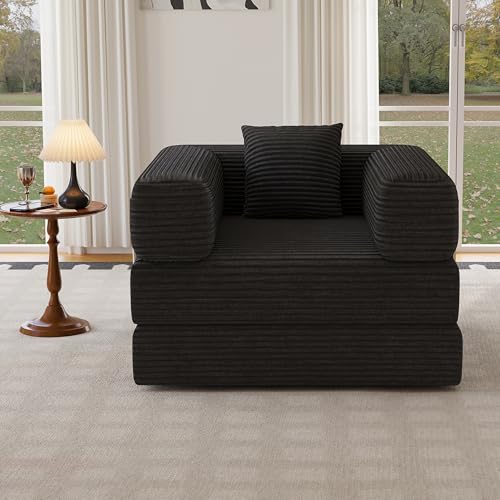
Single Couch Sofa for Small Spaces , 2-in-1 Single Boneless Sofa with Soft Corduroy Foldable Chair Lounger Sleeper Sofas for Small Apartment, Living Room, Home Office , Black, 35.43" Single Sofa
Check price on Amazon
MAXYOYO Folding Sofa Bed, Convertible Chair Bed with Pillow | Foldable Couch with Back Support, Portable Fold Out Chair Comfy Floor Sofa for Living Room Bedroom, Beige, Single
Check price on Amazon
MALOL Pull Out Couch, Futon Sofa Bed, Single Sleeper Sofa, Dark Grey | Small Sofa Bed Couch with USB Port, Foldable Table, Pillow, Adjustable Backrest for Bedroom/College/Living room
Check price on Amazon
Kasunpul Folding Sofa Bed with Pillow, Memory Foam Fold Out Chair Bed, Convertible Sleeper Chair with Washable Cover, Futon Floor Couch for Living Room/Dorm/Guest Use/Home Office/Apartment, Green
Check price on Amazon
Boneless Folding Sofa Bed, 3-in-1 Convertible Single Sleeper Chair, Grey | Comfy Memory Foam Foldable Futon Chair in Box, Corduroy Portable Fold Out Floor Couch Bed for Bedroom Living Room Small Space
Check price on Amazon
COMAX Boneless Futon Sofa Bed, 59" Small Low-Profile Floor Couch, Black | 11.8 In Seat Height, Convertible Loveseat, Folding Couch Bed, Sleepover Bed, Dorm or Bedroom Sofa, Folding Floor Bed
Check price on Amazon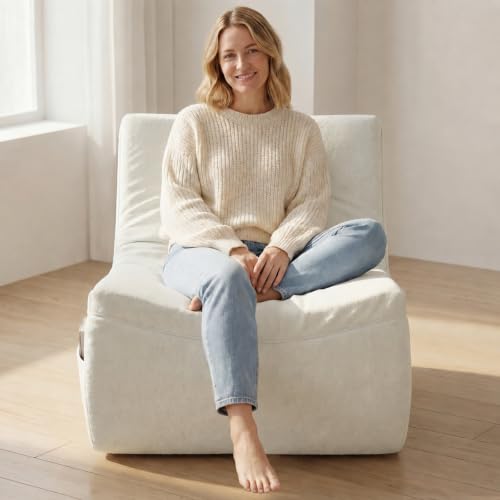
HAVARGO Boneless Single Sofa Memory Foam Couch Chair for Small Spaces Beige | Compressed Accent Chair for Bedroom Cozy Reading Nook Single Seating
Check price on AmazonFrequently Asked Questions
What is the ideal width for a small single couch?
Most small single couches range from 28 to 40 inches in width. For tight apartments and narrow rooms, models between 30 and 36 inches offer a good balance of comfort and compactness. Always verify the exact dimensions with the retailer before ordering.
Can a small single couch be used as a main sofa?
A small single couch works well as a main sofa in studio apartments, reading nooks, and offices. In larger living rooms, it is best used as an accent piece paired with a sectional or loveseat. Review the apartment sofa guide if you need a primary seating solution for a compact home.
What upholstery works best for a compact single couch?
Performance fabric, microfiber, and faux leather are practical choices because they resist stains and wear. Velvet and linen add visual warmth but require more maintenance. Consider your household's daily use and cleaning preferences before deciding.
How do I measure a room for a small single couch?
Measure the available wall space, doorway clearance, and walkway width. Leave at least 30 inches for main traffic paths and 14 to 18 inches between the couch and a coffee table. Use painter's tape to outline the footprint on the floor before ordering.
Is a single couch suitable for guests?
A single couch seats one person comfortably, so it is best for short visits rather than overnight hosting. If guest sleeping is a priority, consider a convertible single futon or review the small couch with pull out bed options.
Ready to Choose Your Small Single Couch?
Use the checklist above, measure your space, and review the recommended options. A well-chosen single couch can transform a compact room into a comfortable, functional retreat.
Explore Recommended Options