
Good Quality Couch: A Complete Buyer's Guide
Discover how to evaluate frame construction, cushion resilience, upholstery durability, and long-term craftsmanship so you can choose a couch that delivers lasting comfort and structural integrity for years to come.
Why quality matters: A couch is one of the most-used pieces of furniture in any home. It anchors the living room, supports daily relaxation, and endures everything from movie nights to afternoon naps. Choosing a good quality couch is not about finding the most extravagant option on the market — it is about understanding which construction methods and materials deliver dependable, long-term performance.
This guide walks you through the exact criteria professional buyers use when assessing a sofa. You will learn to distinguish sturdy hardwood frames from particleboard shortcuts, recognize high-resilience foam from lower-density alternatives, and understand how upholstery grade affects the lifespan of your furniture. By the end, you will be equipped to evaluate any couch with confidence.
Frame Construction: The Structural Foundation
The frame is the skeleton of your couch. It determines whether the sofa retains its shape, resists sagging, and supports weight distribution evenly. A hardwood frame couch — typically built from kiln-dried oak, maple, or beech — is the gold standard for durability. Kiln-drying reduces moisture content, which minimizes warping and cracking over time.
When evaluating a frame, pay attention to the joinery. High-end and professional-grade couches use corner blocks, dowels, and mortise-and-tenon joints that are glued and screwed. These reinforced connections prevent wobbling and extend the structural life of the piece. Entry-level couches may rely on staples and particleboard, which tend to loosen and degrade under consistent use.
If you are planning to restore or maintain an older piece, understanding frame repair techniques can also help you assess whether a couch is worth rejuvenating. A quality frame is almost always repairable, while a compromised particleboard structure often is not.
Cushion Quality: Where Comfort Meets Durability
Cushions are the most direct point of contact between you and your couch. They dictate comfort, support, and how well the sofa holds its shape. The core material matters most: high-density polyurethane foam (at least 2.0 pounds per cubic foot) offers a balanced combination of support and resilience. High-resilience (HR) foam is even more durable and is typically found in mid-range and premium couches.
Top-tier couches often feature pocket-coil or spring-down cushion systems, where individually wrapped coils are encased in foam and sometimes wrapped in down. These designs distribute weight more evenly and reduce compression fatigue, which is why they are common in full-grain leather reclining sectionals and other high-end configurations. If you are considering a sleeper or convertible option, the foam couch bed category demonstrates how the same foam density principles apply to multi-functional furniture.
Back cushions should provide ample loft and maintain their shape. Fiber-wrapped foam or blown fiber in a supportive ticking offers a good balance between plushness and structure. Down is exceptionally comfortable but requires frequent fluffing and may not suit households seeking low-maintenance furniture.
Upholstery Durability: Fabric and Leather Considerations
Upholstery is the first line of defense against daily wear. Fabric performance is measured in double rubs — the higher the number, the more abrasion the material can withstand. For family households and high-traffic living rooms, a rating of 30,000 double rubs or higher is a solid benchmark. Performance fabrics, such as solution-dyed acrylics and tightly woven synthetics, offer excellent stain resistance and colorfastness.
Leather is categorized by grade. Full-grain leather couches use the outermost layer of the hide, retaining natural markings and developing a rich patina over time. They are classified as luxury or flagship tier products and represent a long-term investment. Top-grain and split-grain leathers are more processed and offer varying degrees of durability. If you are furnishing an entire room, a full-grain leather living room set provides a cohesive, enduring aesthetic.
For outdoor or patio settings, upholstery standards differ. Heavy-duty, weather-resistant fabrics are essential. Exploring heavy-duty fabric for outdoor furniture can help you identify materials engineered to resist UV degradation and moisture.
Understanding Quality Tiers Without the Numbers
Rather than focusing on specific figures, it is more useful to understand where a couch sits within the market's quality spectrum. The following tiers provide a universal framework for evaluating construction and materials. Use these descriptors to compare options consistently.
Essential Tier
Basic frames (engineered wood or softwood), standard foam cushions, and economical upholstery. Suitable for light use, guest rooms, or temporary setups. Longevity is limited compared to higher tiers.
Balanced Tier
Solid hardwood or plywood frames, high-density foam cushions, and durable mid-grade fabrics or leather. A solid choice for daily living rooms and family use. Good value for its tier.
High-End Tier
Kiln-dried hardwood frames, high-resilience or pocket-coil cushions, and premium upholstery (full-grain leather or performance fabrics). Reinforced joinery and elevated craftsmanship.
Flagship Tier
Exceptional materials, hand-finished details, and commercial-grade construction. Designed for decades of use. A long-term investment in comfort and aesthetics.
Quick-Reference Evaluation Criteria
Use this table when comparing couches in-store or online. It focuses on structural and material indicators rather than external factors.
| Component | What to Look For | Why It Matters |
|---|---|---|
| Frame Material | Kiln-dried hardwood, corner-blocked joinery | Prevents warping, wobbling, and structural failure |
| Seat Cushions | High-density or high-resilience foam (2.0+ lb/ft³) | Maintains shape and support under daily use |
| Suspension | Sinuous springs, pocket coils, or eight-way hand-tied | Distributes weight evenly and prevents sagging |
| Upholstery | 30,000+ double rubs (fabric) or full-grain leather | Resists abrasion, staining, and color fading |
| Joinery | Glued, screwed, and doweled joints with corner blocks | Ensures long-term rigidity and stability |
| Legs & Base | Solid wood or metal, securely attached | Supports overall weight and prevents floor damage |
The Good Quality Couch Checklist
Before You Decide, Verify These Points:
- Frame: Confirm the frame is kiln-dried hardwood or high-grade plywood — not particleboard or MDF.
- Joinery: Look for corner blocks, dowels, and screws. Avoid frames held together primarily by staples.
- Cushions: Check foam density or ask about the cushion core. High-resilience foam or pocket coils are strong indicators of quality.
- Suspension: Sinuous springs or pocket coils are preferable to webbing or low-tension mesh.
- Upholstery: Ask for the double-rub count on fabrics or confirm the leather grade.
- Weight & Stability: A heavier couch often signals denser materials and sturdier construction. Test for wobble.
- Warranty: A meaningful warranty on frame and cushions reflects manufacturer confidence. Review warranty claims policies before purchasing.
- Certifications: Look for certifications related to low emissions, sustainable wood sourcing, or flame retardancy depending on your region.
Maintaining Your Couch's Quality Over Time
Even the best-built couch benefits from regular care. Rotate and flip cushions every few months to distribute wear evenly. Vacuum upholstery weekly to remove abrasive dust and debris. For leather, condition the surface periodically to prevent drying and cracking. Fabric protection treatments can extend stain resistance, though they should be reapplied according to manufacturer guidance.
If you notice sagging or loss of support, addressing the issue early can prevent further damage. Understanding when to consider frame repair versus replacing a piece is part of smart ownership. For professional cleaning, research getting a couch professionally cleaned to preserve upholstery integrity.
Top-Rated Good Quality Couches to Consider
⚠️ AFFILIATE DISCLOSURE: This website contains affiliate links. As an affiliate Associate, we earn from qualifying purchases. If you make a purchase through these links, we may receive a small commission at no additional cost to you. Read our full affiliate policy.
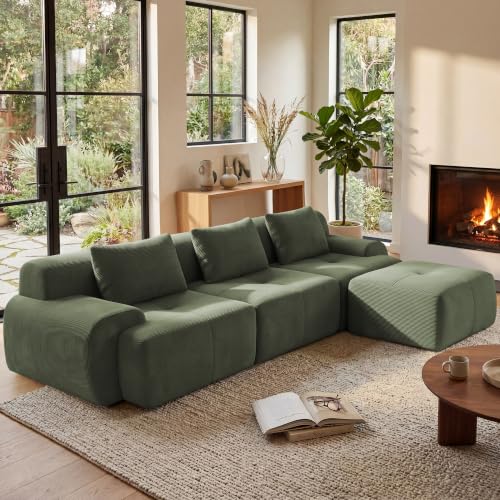
GRUSIGN 108'' Modular Boneless Sofa,Sectional Couch for Living Room | Tufted Oversized L Shape Deep Seat Sectional Sofa with Ottoman & 3 Throw Pillows,Corduroy Cloud Couch,Green
Check price on Amazon
TROMIRY U-Shaped Sectional Couches for Living Room | 112 Inch Modern Sectional Couch | Dark Grey Chenille Sofa with Double Chaise for Apartment
Check price on Amazon
ROWHY 112'' Modular Sectional Cloud Couch with Movable Ottoman, 4 Seat Modern Corduroy Sofa, Deep Seat L Shaped Couch for Living Room Bedroom Apartment, Beige
Check price on Amazon
HULALA HOME 84" Faux Leather Sofa, Mid Century Modern 3 Seater Couch, Camel | Button-Tufted Sofa with Metal Legs, Square Armrests, Supportive Cushions, Easy Assembly, for Living Room Bedroom Apartment
Check price on Amazon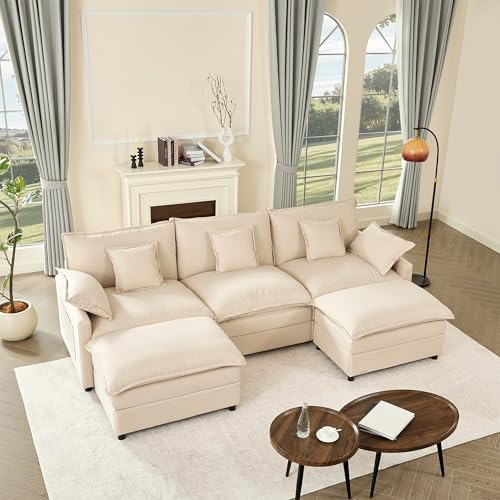
GOSUHI 108" U-Shaped Modular Cloud Couch, Deep Seat, Linen Beige | Cloud Comfort, Couches for Living Room, Removable & Machine-Washable Covers, Movable Ottoman, Modular Sectional Sofa
Check price on Amazon
Hanherry 89" Sofa for Living Room, Modern Comfy Sofa with Medium Firm Seat Cushion, Removable Cover,Wide Armrest,USB/Type-C Port,Chenille Fabric Couches for Small Space,Apartment
Check price on AmazonMatching Quality with Your Space and Style
A good quality couch should also suit your room's proportions and your lifestyle. For compact living areas, a loveseat or apartment sofa built with the same quality standards offers comfort without overwhelming the space. Sectionals are ideal for open-plan layouts, and a fluffy sectional couch can deliver both generous seating and a welcoming aesthetic when constructed with durable materials.
If you love a specific color palette, exploring a green couch or grey couch in a premium tier ensures the upholstery retains its appearance. For households with pets, performance fabric sofas combine style with practical resistance to scratches and stains.
Frequently Asked Questions
What makes a couch good quality?
A good quality couch combines a solid hardwood frame, high-density foam cushions, durable upholstery, and reinforced joinery. These elements work together to provide structural integrity, lasting comfort, and resistance to everyday wear. The suspension system and cushion core are equally important — pocket coils and high-resilience foam are reliable indicators of quality.
How long should a good quality couch last?
A well-constructed couch with a solid hardwood frame, high-resilience foam, and quality upholstery can last anywhere from seven to fifteen years or more with proper care and regular maintenance. Premium and flagship tier couches often exceed this range, especially when upholstered in full-grain leather or commercial-grade performance fabrics.
Is full-grain leather a sign of a good quality couch?
Yes, full-grain leather is the highest grade of leather available. It retains the natural grain and develops a rich patina over time. Couches upholstered in full-grain leather are typically classified as luxury or flagship tier products and represent a long-term investment in both durability and aesthetics. You can explore options like a full-grain leather sectional with chaise for spacious seating.
What cushion filling is best for a durable couch?
High-resilience foam with a density of at least 2.0 pounds per cubic foot is ideal for seat cushions. Spring-down or pocket-coil wrapped in foam is considered top-tier for both comfort and durability. Down alone is luxurious but requires frequent fluffing and offers less support. For a balanced approach, high-resilience foam wrapped in a thin layer of down or fiber provides excellent comfort without compromising longevity.
Should I buy a couch online or in person?
Both approaches have advantages. In-person shopping allows you to test comfort, check stability, and inspect joinery firsthand. Online shopping offers broader selection and detailed specifications. If buying online, review the frame material, cushion density, upholstery rating, and return policy carefully. Many reputable retailers provide swatch samples and detailed construction information. Our guide on online vs in-store couch shopping covers this in greater depth.
Final Thoughts: Invest in Quality, Enjoy for Years
A good quality couch is defined by what you cannot always see at first glance: the frame beneath the fabric, the density of the foam, the precision of the joinery. By focusing on these structural and material indicators, you can make a confident decision that balances comfort, durability, and long-term satisfaction.
Whether you are furnishing a first apartment or upgrading a family living room, prioritize construction quality over surface-level features. Explore our buying guides for more in-depth advice, and review our couch care and maintenance resources to keep your investment looking its best.