
How to Make a Twin Bed Look Like a Couch
Turn a spare twin bed into a stylish, functional seating area without buying new furniture. This guide walks you through the exact steps, styling tricks, and product categories that make the illusion convincing.
See the Step-by-Step MethodWhy this matters: A twin bed takes up floor space in a guest room, studio, or home office, but it often sits unused during the day. With the right approach, that same footprint becomes a comfortable couch for reading, hosting, or watching TV. The goal is not to hide the bed, but to style it so the eye reads it as a sofa.
Why a Twin Bed Works as a Couch
A twin bed and a couch share the same basic geometry: a long horizontal seating surface with a backrest along one edge. The difference is visual, not structural. A couch signals its purpose through three cues: a defined backrest, armrests on both ends, and a seat cushion that looks separate from the back. When you reproduce those cues on a twin bed, the brain stops reading "bed" and starts reading "seating."
This is why the conversion works especially well with a loft bed with couch for adults, where the under-bed zone already implies a lounge area. It also pairs naturally with a mini couch for room layout, since both rely on compact footprints and vertical styling.
The method below is intentionally non-destructive. You are not cutting the frame or removing the mattress. You are layering textiles and cushions so the bed presents as a sofa during the day and reverts to a bed at night.
The Five-Step Conversion Method
Step 1: Push the bed against a wall or headboard
A couch needs a backrest. The simplest way to create one is to place the long side of the twin bed against a wall, or against a sturdy headboard if the frame has one. If the bed is freestanding in the middle of the room, add a slim console behind it to simulate a back. A long narrow console table behind couch works well here because it adds a vertical plane without eating much floor space.
Step 2: Flatten the sleep surface
Mattresses are softer than seat cushions, so the first visual fix is a firmer top layer. Add a firm mattress pad or a thin memory foam topper, then cover the entire mattress with a fitted sheet in a neutral tone. A memory foam pad for couch is a practical choice because it compresses evenly and holds a flat profile when sat on.
Step 3: Add a fitted cover that reads as upholstery
This is the single highest-impact change. Swap the bedding for a stretch slipcover or a quilted couch cover that wraps the mattress and tucks under the frame. Choose a texture that matches seating fabric, not bedding: linen blends, microfiber, or textured cotton. A microfiber couch cover is a solid mid-range option because it resists wrinkling and looks like upholstery from a few feet away.
Step 4: Build the backrest with large cushions
Lean two or three large back cushions against the wall or headboard. These should be tall enough to reach the top of the mattress and wide enough to cover most of the long side. Euro shams or oversized throw pillows work well. This layer is what visually converts a flat mattress into a sofa with a defined back.
Step 5: Define the armrests
A couch without arms looks like a bench. Add a firm bolster pillow or a rolled throw at each end of the mattress to suggest armrests. If the bed frame has side rails, drape a throw blanket over each rail so the fabric falls vertically, which reads as an upholstered arm.
Pillow Layering That Sells the Look
Pillows do most of the visual work in a twin-bed-to-couch conversion. The arrangement should mimic the three-zone structure of a real sofa: a tall back layer, a mid layer of accent pillows, and a small front layer for contrast.
- Back layer: Two large square cushions (24 to 26 inches) leaning against the wall. These replace the sofa back.
- Middle layer: Two or three standard throw pillows in a complementary color. These add depth and soften the transition from back to seat.
- Front layer: One lumbar pillow for couch placed slightly off-center. The horizontal shape breaks up the vertical lines and adds a designer touch.
Keep the palette to three tones maximum. A twin bed styled with too many colors reads as a bed with decorative pillows, not as a couch. Solid, textured fabrics in muted tones photograph and read better than busy prints.
Textiles and Covers That Change the Read
The fabric on the mattress is the biggest giveaway. Bedding sheen, quilted patterns, and visible sheet edges all signal "bed." Replace them with materials that behave like upholstery.
- Slipcovers: A stretch slipcover that wraps the mattress and tucks under the frame creates a clean, seat-like surface. Look for covers labeled for twin mattresses or daybeds.
- Throw blankets: Drape one across the back and one over an armrest. The folds add softness and hide the sharp mattress corners.
- Fabric weight: Medium-weight fabrics hold their shape and resist wrinkling. Very thin covers slide and expose the mattress underneath.
If the bed doubles as a guest sleeper, choose a machine washable couch cover so the transition between seating and sleeping stays hygienic. For a softer, more plush look, a micro fiber couch style cover works well because it has a matte, upholstery-like finish.
Frame and Placement Adjustments
The bed frame itself affects how convincing the conversion looks. A low platform frame reads as a modern sofa base, while a tall frame with visible legs can look like a bed with a cover thrown over it.
- Lower the visual height: If the frame is tall, add a fitted bed skirt in the same color as the cover so the legs and frame disappear.
- Anchor the back: Place the bed against a solid wall or a headboard. A freestanding bed in the middle of the room needs a console or a row of tall cushions behind it to create a back plane.
- Control the room flow: Leave at least 18 inches of walkway on the open side so the bed functions as seating without blocking traffic. This mirrors the walkway planning used in a small space layout.
For rooms where the bed sits near a window or under a sloped ceiling, a mini couch for end of bed placement can inspire the angle: pull the bed slightly away from the wall at one end to create a chaise-like profile.
Seating Tiers: Entry-Level to High-End Styling
The conversion can be done at any styling tier. The table below describes what each tier typically includes, using universal quality descriptors rather than any specific figures.
| Tier | Best For | Typical Components |
|---|---|---|
| Entry-level | Quick, reversible setup in a guest room | Fitted sheet, one stretch cover, two standard throw pillows, one draped blanket |
| Mid-range | Everyday use in a studio or home office | Quilted slipcover, firm mattress pad, euro shams, lumbar pillow, two armrest bolsters |
| Premium | A polished seating area that guests see first | Tailored upholstery-style cover, memory foam topper, layered cushion set, coordinated throw, console behind the bed |
| Luxury | A designed daybed that doubles as a focal point | Custom-fit cover, high-grade foam topper, designer cushion arrangement, textured throws, integrated side table and lighting |
Mid-range setups tend to offer the best balance for most households: the cover holds its shape, the cushions provide real back support, and the materials survive daily use. Entry-level works well for occasional seating, while premium and luxury tiers make sense when the bed is the primary seating in the room.
Common Mistakes to Avoid
- Leaving the bed pillow visible: A standard sleep pillow on the mattress instantly reads as a bed. Store it in a closet or a storage ottoman during the day.
- Using bedding as a cover: Duvets and quilts drape like bedding. Use a fitted cover or slipcover instead.
- Over-pillowing: Too many pillows crowd the seat and make the arrangement look like a bed display. Keep to the three-layer rule.
- Ignoring the sides: Open mattress edges look unfinished. Add a throw or a fitted skirt to cover them.
- Placing the bed in the middle of the room: Without a wall or console behind it, the bed reads as a bed no matter how it is styled.
For a deeper look at arranging seating around a focal point, the focal point arrangement guide explains how to position a backrest so the eye lands on the seat, not the frame.
Recommended Covers, Cushions & Toppers for a Twin Bed Couch
⚠️ AFFILIATE DISCLOSURE: This website contains affiliate links. As an affiliate Associate, we earn from qualifying purchases. If you make a purchase through these links, we may receive a small commission at no additional cost to you. Read our full affiliate policy.

LIKIMIO Daybed with Trundle, Twin Bed Frame,White | with Upholstered Headboard and Charging Station, Sofa Day Bed with Strong Supports for Living Room, Bedroom and Guest Room
Check price on Amazon
Daybed with Trundle and LED Light, Heavy Duty Metal Twin Bed Frame with Upholstered Storage Headboard & Charging Station, Day Bed Pop Up Trundle Bed Twin for Living Room,Bedroom and Guest Room, Black
Check price on Amazon
DHP Twin-Over-Futon Convertible Couch and Bed with Metal Frame, Ladder and Guardrails - Black
Check price on Amazon
SmartDer Wood Twin Daybed, Day Bed Frame with 2 Storage Drawers, Upholstered Twin Bed Frame Sofa Couch with Button and Nailhead Design for Bedroom Guest Room, No Box Spring Needed, Beige
Check price on Amazon
LIKIMIO Twin XL Daybed with Trundle Bed, Twin XL Bed Frame, Grey/Brown | Day Bed with Pop Up Trundle Bed, Smooth Wheels, Charging Station, Storage Shelf & Bag, Upholstered Headboard, Strong Supports
Check price on Amazon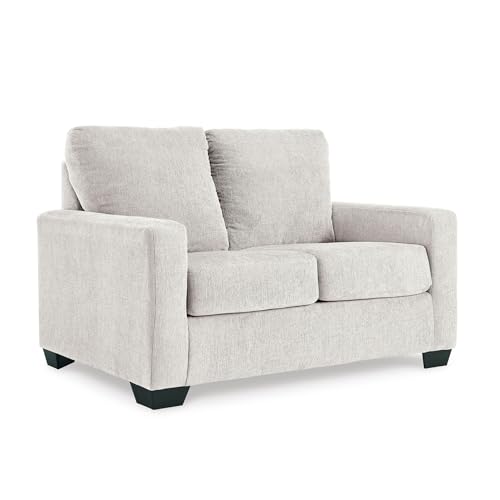
Signature Design by Ashley Rannis Twin Sleeper Sofa Bed, Snow | 100% Polyester Chenille, Supportive Steel Frame, Memory Foam Mattress, Fits 36 in Doorways, No Assembly Required
Check price on Amazon
GIANTEX Metal Twin Bed Frame, Convertible Sofa Bed with Headboard & Armrests, Pull-Out Sleeper Chair Bed for Small Spaces Dorm Guest Apartment, Suitable for Folding Sofa Mattress, White
Check price on Amazon
feliz home Folding Mattress Full, 3 in 1 Convertible Sofa Bed Foldable Couch Bed Floor Couch Lounge Sleeper Mattress for Living Room, Guest Room
Check price on AmazonFrequently Asked Questions
Can any twin bed be turned into a couch?
Most twin beds can be styled to look like a couch, but the best results come from beds with a solid headboard, a manageable frame height, and a mattress that is not excessively thick. Platform beds and daybeds are the easiest starting points.
Do I need to buy a new mattress to make a twin bed look like a couch?
No. A standard twin mattress works fine. What matters more is the bedding layer: a firm mattress pad and a tightly fitted cover create a flatter, more seat-like surface. Very soft mattresses can be topped with a firm topper for better structure.
How many pillows should I use on a twin bed couch?
A balanced arrangement uses two large back cushions or euro shams against the wall or headboard, two standard throw pillows in front, and one lumbar pillow for contrast. This layering mimics the backrest and armrest structure of a real couch.
Will a twin bed couch conversion damage the mattress?
When done correctly, no. Use a mattress protector, rotate the mattress periodically, and avoid placing heavy furniture directly on the surface. Sitting on the edge of a mattress for long periods can compress the foam, so add a firm edge support or a seat cushion if the bed is used heavily as seating.
How long does the conversion take?
With materials on hand, the setup takes about 30 to 45 minutes. The cover and back cushions are the two components that require the most attention, since they define the visual read of the seat.
Ready to Style Your Twin Bed as a Couch?
Start with the cover and back cushions, then layer in armrest bolsters and a throw. Browse related seating ideas to match the new setup to the rest of your room.
Explore Couch Decor & Styling