
Replacement Leather Couch Cushions: The Complete Guide
Bring your leather sofa back to life. Learn how to evaluate worn cushions, choose the right foam and leather, measure accurately, and decide whether replacement or reupholstery is the smarter path for your living room.
Practical guidance for homeowners researching replacement leather couch cushions before they buy.
EXPLORE REPLACEMENT OPTIONSWhy this guide matters: Leather couches are a long-term investment, and the cushions take the most wear. When the seat sinks or the leather cover cracks, many owners assume the whole sofa must be replaced. In most cases, only the cushion cores or covers need attention. This guide walks you through the decision step by step so you can restore comfort and appearance with confidence.
When Do Leather Couch Cushions Need Replacing?
Leather is durable, but cushion cores and covers degrade with daily use. Recognizing the early signs helps you act before the frame or suspension is affected. Replacement leather couch cushions are usually the right answer when the structure is sound but the seating surface is not.
Common warning signs
- The seat no longer springs back after you stand up, or it feels bottomed-out.
- The leather surface shows cracking, peeling, or deep creases that no longer recover.
- Foam has compressed unevenly, creating a visible dip or a tilted sitting position.
- Zippers fail, seams split, or the cover no longer stays in place.
- Back cushions have lost loft and no longer support the lumbar area.
- Pet claws or accidental tears have damaged the leather panel beyond simple repair.
If you notice these issues only on the cushions while the frame, arms, and back panels remain solid, cushion replacement is typically the most efficient route. For a broader look at restoring tired seating, see our guide on re-cushioning a couch and the companion article on replacement cushions for a couch.
Quick structural check
Press down on the deck under the cushions. If you feel a solid base with no sag or creaking, the frame and suspension are likely healthy. If the deck feels soft, uneven, or noisy, address the suspension first — new cushions alone will not fix a failing foundation.
Replace the Cushions or Reupholster the Whole Couch?
This is the first decision most owners face. Both options have a place, and the right choice depends on how much of the leather is worn and how much of the original sofa you want to preserve.
| Scenario | Recommended Path | Why |
|---|---|---|
| Leather covers are intact; only foam feels flat | Replace the foam core only | Preserves the original leather and is the simplest restoration |
| Cushion leather is cracked or torn; frame and panels are fine | Replace cushion covers and cores | Restores appearance and comfort without touching the rest of the sofa |
| Leather is worn across arms, back, and frame | Full reupholstery | Consistent finish across the entire piece; see reupholster a couch |
| Frame or suspension is failing | Repair frame first, then reassess cushions | New cushions cannot compensate for a weak base |
| DIY skills are limited and the leather is heavily damaged | Professional reupholstery | Complex panel work and stitching benefit from specialist tools |
For a deeper comparison of doing the work yourself, review our DIY reupholstery guide. If the leather itself is mostly healthy and you mainly want to repair surface damage, the article on repairing a leather couch covers patching and conditioning techniques.
Leather and Foam Options for Replacement Cushions
The quality of the replacement depends on two things: the leather cover and the foam core. Understanding both helps you match the original feel of your sofa and set realistic expectations for longevity.
Leather cover grades
| Tier | Characteristics | Best For |
|---|---|---|
| Entry-level leather | Corrected grain with a protective finish; consistent appearance | High-traffic family rooms where easy cleaning matters most |
| Mid-range leather | Top-grain with natural markings; balanced softness and durability | Everyday living rooms seeking a natural look and feel |
| Premium leather | Full-grain or aniline finish; develops patina over time | Formal spaces and owners who value tactile quality |
| Luxury leather | Hand-selected hides with artisanal finishing | Statement furniture and long-term investment pieces |
Foam and fill options
- High-density foam (mid-range to premium): The most common choice for seat cushions. It holds shape well and resists bottoming-out.
- Foam with a fiber wrap: Adds softness and a rounded crown while keeping the supportive core.
- Pocket-coil and foam hybrids: Common in premium seating; offers spring-like response and even weight distribution.
- Down and feather wraps: Luxurious feel but requires regular fluffing; often paired with a foam core for structure.
- Gel-infused foam: Helps regulate temperature and adds resilience, typically found in higher-tier cushions.
Match the fill to the cushion position
Seat cushions benefit from a firmer, high-density core to resist compression. Back cushions favor a softer, resilient fill that supports the lumbar area without feeling rigid. Using the same fill everywhere often leads to premature wear in the seat.
If you are also updating the upholstery across the frame, our overview of quality Chesterfield leather furniture explains how leather grades influence the overall feel of a room.
How to Measure Leather Couch Cushions Accurately
Accurate measurements are the difference between a cushion that fits and one that looks borrowed from another sofa. Measure the existing cushion, not the frame opening, and take every dimension at the widest point.
- Length and width: Measure across the top face at its widest points, corner to corner where applicable.
- Thickness: Measure at the center and at each edge to capture any taper.
- Shape: Note whether the cushion is square, rectangular, T-shaped, trapezoidal, or has a chaise extension.
- Corner radius: Measure the curve on rounded cushions; this is a common source of fit errors.
- Seam allowance: Add allowance if you are ordering custom covers rather than just foam.
- Zipper position: Record whether the zipper runs along the back, side, or bottom edge.
For a full measurement framework covering the whole sofa, use our measurement guide. If you are also considering changing the configuration of the seating, the articles on replaceable couch cushions and replacement back couch cushions explain how seat and back dimensions differ.
Recommended Replacement Leather Couch Cushions
⚠️ AFFILIATE DISCLOSURE: This website contains affiliate links. As an affiliate Associate, we earn from qualifying purchases. If you make a purchase through these links, we may receive a small commission at no additional cost to you. Read our full affiliate policy.

Handmade Genuine Leather Sofa Cushion Replacement Cover, 5-Inch (Tan Brown, 24"x24"x5")
Check price on Amazon
WUSOUPU PU Leather Individual Couch Cushion Covers Waterproof Wear-Resistant Sofa Seat Slipcovers for Living Room, Pet Friendly Stretch Couch Cushion Covers for Sectional Sofa(3 Pcs, Brown)
Check price on Amazon
ANARACHON Leather Look Couch Cushion Covers Sofa Seat Slipcovers Sets Couches Furniture Protector for Sectional Armchair Loveseat Pets Kids Stretch Spandex Fabric(3 Cushion Sofa, Brown)
Check price on Amazon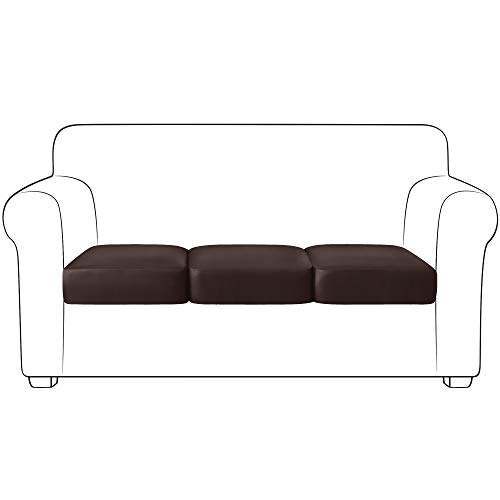
Yates Home PU Leather Couch Sofa Cushion Slipcover Water-Proof Elastic Chair RV Seat Covers Loveseat Sofa Furniture Protector Slip Cover for Settee Seater Replacement Living Room(3 Pieces, Chocolate)
Check price on Amazon
Fuloon Faux Leather Couch Cushion Slipcover, Waterproof Stretch Covers for Sofa, RV Chair Seat Cover, Individual Loveseat Couch Cushion Replacement, PU Leather Sofa Slipcovers(1 Pack, Brown)
Check price on Amazon
Handmade Genuine Leather Sofa Cushion Replacement Cover, 6-Inch (Olive Green, 20"x22"x6")
Check price on Amazon
BSZHTECH Leather Repair Tape Self-Adhesive Leather Repair Patch for Couch Furniture Sofas Car Seats Advanced PU Vinyl Leather Repair Kit (Dark Brown, 3.9X79 inch)
Check price on Amazon
YISUN PU Leather Couch Cushion Cover, Waterproof Stretch Sofa Slipcovers, Faux Leather RV Chair Seat Covers, Loveseat Cushion Replacement Chair/Furniture Protector, 3Pcs(Brown)
Check price on AmazonInstallation and Care After Replacement
Once the new cushions arrive, a careful installation protects your investment and keeps the leather looking consistent with the rest of the sofa.
- Let new foam fully expand for the time recommended by the supplier before inserting it into covers.
- Insert the core with the zipper open, working the foam into the corners first.
- Close the zipper slowly and check that seams are not under tension.
- Rotate seat cushions weekly during the first month to distribute compression evenly.
- Clean leather covers with products suited to the specific finish; avoid harsh solvents.
- Condition leather two to three times per year to maintain suppleness and resist cracking.
- Keep seating out of direct sunlight to slow fading and drying.
For a broader maintenance routine, review our leather cleaning guide and the tips on leather conditioning. If you are restoring the cushion covers rather than replacing them, the article on refurbishing couch cushions covers cleaning, re-stuffing, and minor repair.
Restuffing versus replacing the core
Restuffing works when the existing cover is intact and only the loft has diminished. Replacing the core is the better path when foam has permanently compressed or crumbled. Our guide on restuffing a couch explains the signs that favor each approach.
Related Restoration and Couch Guides
Replacement cushions are often one part of a larger living room refresh. These guides cover the adjacent decisions you are likely to face.
Frequently Asked Questions
How do I know if my leather couch cushions can be replaced?
Most leather couches with removable cushions can be re-cushioned if the frame and suspension remain structurally sound. Check whether zippers, seams, and the leather panel are still intact, and confirm that the core foam has not permanently compressed.
What foam density is best for replacement leather couch cushions?
High-density foam in the mid-range to premium tier is typically the best balance of support and longevity. Seat cushions usually benefit from a firmer core, while back cushions favor a softer, resilient fill.
Can I replace only the foam inside leather couch cushions?
Yes. If the leather cover is in good condition, you can insert new foam or a wrapped foam core into the existing cover. This is often the most efficient route because it preserves the original upholstery.
How do I measure leather couch cushions for replacement?
Measure length, width, and thickness at the widest points of the cushion, and note the shape and corner radius. Always measure the existing cushion rather than the sofa frame, and account for any seam allowance if ordering custom covers.
Is it better to replace cushions or reupholster the whole couch?
Replace cushions when the frame and leather panels are sound and only the cushion cores or covers are worn. Choose full reupholstery when the leather across the arms, back, and frame is also degraded.
How long do replacement leather couch cushions last?
Service life depends on foam density, leather grade, and daily use. High-density cores paired with premium leather covers generally last longer than entry-level fills, especially when rotated and cleaned regularly.
Ready to Restore Your Leather Sofa?
Review the recommended replacement cushion options above, confirm your measurements, and choose the tier that matches how you use the room. New cushions can extend the life of a well-built leather couch by years.
Compare Replacement Options