
Couch That You Can Move Around
Flexible, reconfigurable seating for real life. Learn how modular, lightweight, and convertible couches let you rearrange your living room in minutes — without hiring movers or damaging floors.
EXPLORE TOP PICKSWhy flexibility matters: A couch that you can move around solves the biggest frustrations of fixed furniture — awkward layouts, seasonal rearranging, hosting guests, and small-space living. This guide breaks down the construction details, weight thresholds, and connector systems that make a couch genuinely portable, so you can choose with confidence before you buy.
What Actually Makes a Couch Easy to Move?
Not every sofa labeled "modular" is truly movable. A couch that you can move around depends on three structural factors: total weight, how the frame breaks down, and the connector or fastener system holding the pieces together. A mid-range modular sectional with clip connectors is far easier to reposition than a heavy-duty fixed-frame sofa of the same footprint, even if both look similar in a showroom.
Weight is the first filter. A two-seat couch with a solid wood frame and dense foam cushions typically sits in a heavier class than a lightweight loveseat built on a metal or engineered-wood frame with removable cushions. If you plan to reconfigure your room often, prioritize models where each movable piece can be lifted by one adult. Second, check the couch frame construction — bolt-together or bracket-based frames disassemble into smaller modules, while glued and stapled frames stay in one piece. Third, examine the connectors: metal brackets and locking clips hold firmly during use but release quickly when you want to rearrange.
Weight Tiers to Expect
- Starter tier: Lightweight loveseats and two-piece modular sets — each module can be repositioned by one person with a gentle lift.
- Mid-tier: Three- to four-piece modular sectionals with clip connectors — each seat section is manageable for one adult, but the full assembly benefits from two people.
- High-end tier: Premium modular systems with reinforced brackets — heavier per piece but engineered for repeated reconfiguration without loosening.
Types of Couches You Can Move Around
There are four main categories of movable seating. Each suits a different lifestyle, room size, and rearrangement frequency. Understanding the trade-offs between them is the fastest way to narrow your shortlist.
Modular Sectionals
Individual seat modules connect with clips or brackets. Reconfigure into an L-shape, U-shape, straight sofa, or separate chairs. Ideal for open-plan rooms and households that rearrange often.
Lightweight Loveseats
Compact two-seaters with metal or engineered-wood frames and removable cushions. Easy for one person to slide or lift. Best for apartments, studios, and reading nooks.
Convertible & Sleeper Couches
Fold-out and pull-out designs that transform from seating to sleeping. Many double as movable seating when the mattress mechanism is lightweight and the frame folds compactly.
Ottoman & Cube Seating
Single-piece seats that stack or tuck away. Not full couches, but excellent complements to a modular setup when you need extra movable seating for guests.
Inflatable & Bag Couches
Compress into a carry bag and inflate or unfold in minutes. Best for temporary setups, dorms, camping, and guest overflow — not for daily long-term seating.
L-Shape & Corner Modules
Corner pieces that detach from the main run, letting you switch between a sectional and a straight couch. A smart middle ground between modular and fixed.
Movable Couch Comparison by Tier
Use this table to match construction tier to your rearrangement habits. Tier reflects overall build quality and mechanism refinement — not a numeric rating.
| Type | Tier | Best For | Movement Effort |
|---|---|---|---|
| Modular Sectional | Mid-range to premium | Open-plan living rooms, frequent reconfiguration | Moderate — each module lifts separately |
| Lightweight Loveseat | Entry-level to mid-tier | Apartments, studios, reading corners | Low — one person can slide or lift |
| Convertible Sleeper | Essential to balanced tier | Guest rooms, dual-purpose living spaces | Moderate — depends on mattress mechanism |
| L-Shape Corner Module | Mid-tier to high-end tier | Rooms that switch between sectional and straight layout | Moderate — corner piece is the heaviest unit |
| Inflatable / Bag Couch | Starter tier | Temporary seating, dorms, travel, camping | Very low — compresses into a bag |
| Ottoman / Cube Seating | Essential tier | Supplementary seating, footrests, flex corners | Very low — single-piece, lightweight |
Features That Make or Break Portability
Before committing, verify these four specifications. They determine whether a couch moves smoothly or fights you every inch of the way.
1. Connector System
Metal interlocking brackets and cam-lock clips are the gold standard for modular couches. They hold modules firmly during daily use but release in seconds. Plastic clips are lighter but wear faster if you reconfigure often. Some premium modular systems use magnetic alignment plus a locking latch — the smoothest option for households that rearrange weekly.
2. Frame Material and Joints
A solid hardwood frame with bolted joints balances durability and serviceability — you can tighten bolts over time. Engineered wood is lighter and works well for entry-level movable couches. Metal frames are the lightest but can feel less warm underfoot and may creak if joints loosen. Avoid glued-only joints on any couch you plan to move repeatedly.
3. Cushion Attachment
Removable couch cushions reduce weight during relocation and make cleaning easier. Look for cushions with hook-and-loop strips or ties to keep them in place during normal use, but that detach quickly when you move the couch. Fixed cushions are more stable but make the couch heavier and harder to slide through doorways.
4. Legs and Floor Protection
Splayed legs improve stability but can catch on carpet. Low-profile legs with felt pads glide better on hardwood. If you move your couch often, consider models with removable legs — you can unscrew them, slide the couch flat through tight spaces, then reattach. This is especially useful for a couch that fits through small doors.
Practical tip: Measure your doorways and hallway turns before buying. Even a modular couch needs each individual module to clear the narrowest point. A module wider than your doorway cannot be moved in, no matter how light it is. Pair your measurements with a measurement guide to avoid return hassles.
Movable Couches for Small Spaces
Small living rooms benefit most from movable seating because the same footprint can serve multiple functions. A modular loveseat can face the TV one week and face a conversation area the next. A couch for small spaces with clip connectors lets you add a chaise module when guests arrive and remove it for daily use. For studio apartments, a movable couch doubles as a room divider — slide it to separate the sleeping zone from the living zone.
If storage is tight, look for models with built-in compartments. A couch for small space with storage keeps blankets and remotes out of sight while remaining light enough to reposition. For layouts that change seasonally, an L-shape couch with a detachable corner gives you two configurations from one purchase.
How to Move Your Couch Without Damaging It
Even the most portable couch needs the right technique. Follow these steps to protect both the furniture and your floors.
- Empty the couch first. Remove cushions, throw pillows, and any stored items to cut weight and prevent shifting.
- Lift, don't drag. Dragging stresses legs and frame joints. Lift with a partner or use furniture sliders rated for the couch's weight tier.
- Protect floors. Felt pads for hardwood, plastic sliders for carpet. Avoid moving across thresholds without a ramp or helper.
- Disassemble modular pieces. Separate modules before moving through doorways. Reconnect only after the couch is in its final position.
- Check connectors after moving. Re-tighten bolts and verify clips are fully seated before using the couch.
Recommended Movable Couches
⚠️ AFFILIATE DISCLOSURE: This website contains affiliate links. As an affiliate Associate, we earn from qualifying purchases. If you make a purchase through these links, we may receive a small commission at no additional cost to you. Read our full affiliate policy.

vidaXL Middle Sofa with Cushions White Solid Wood Pine | You can easily move it around to fit any space, Comes with removable cushions that can handle the weather,
Check price on Amazon
vidaXL 9 Piece Patio Lounge Set with Cushions Poly Rattan Brown | Easily move it around to fit your space, Tough PE rattan for outdoor use, Washable cushion covers that you can remove
Check price on Amazon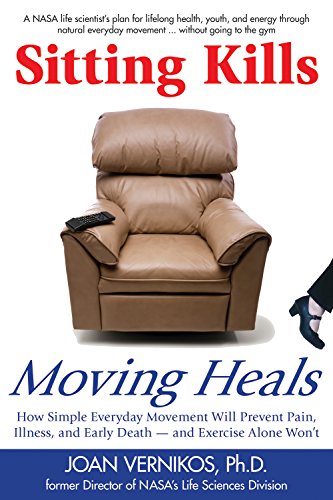
Sitting Kills, Moving Heals: How Everyday Movement Will Prevent Pain, Illness, and Early Death -- and Exercise Alone Won't
Check price on Amazon
Braver Than You Think: Around the World on the Trip of My (Mother's) Lifetime
Check price on Amazon
Austin Powers International Man of Mystery
Check price on Amazon
You Can't Touch My Hair: And Other Things I Still Have to Explain
Check price on Amazon
The Art of Fully Living: 1 Man. 10 Years. 100 Life Goals Around the World. (ELEVATE)
Check price on Amazon
52 Amazing Journeys: Weekly Inspiration as You Travel the Path of Life
Check price on AmazonRelated Guides
Explore more focused topics to refine your choice before you buy.
Frequently Asked Questions
What type of couch is easiest to move around?
Modular sectionals and lightweight loveseats are typically the easiest. Modular pieces separate into individual seats that one adult can lift, while lightweight loveseats with removable cushions reduce weight during relocation. Inflatable and bag couches are the most portable overall but suit temporary use rather than daily seating.
Can a modular couch be reconfigured into different shapes?
Yes. Modular couches use connector clips or bracket systems that let you rearrange seats into L-shapes, U-shapes, straight lines, or separate chairs. The flexibility depends on the number of modules and whether corner pieces are included. Check that connectors are metal rather than plastic if you plan to reconfigure frequently.
How do I protect floors when moving a couch frequently?
Use felt furniture pads under legs on hardwood and plastic sliders on carpet. Avoid dragging the couch — lift with a partner or use sliders. If your couch has removable legs, unscrew them before moving through tight spaces, then reattach and re-level in the new position.
Is a movable couch sturdy enough for daily use?
Premium modular couches with reinforced brackets and bolted frames are engineered for daily use and repeated reconfiguration. Mid-range models hold up well with occasional rearranging. Entry-level lightweight couches are best for low-traffic rooms or occasional repositioning. Check warranty terms for connector and frame coverage.
What is the best movable couch for a small apartment?
A two-piece modular loveseat or an L-shape couch with a detachable corner offers the best balance of seating and flexibility in small apartments. Look for models with removable legs and lightweight frames so one person can reposition the couch alone. For studio layouts, choose a couch that doubles as a room divider.