
Couch for a Camper: The Complete Buying Guide
Everything you need to choose a camper couch that fits your space, survives the road, and makes van life feel like home. Compare designs, materials, and installation strategies before you buy.
Explore Camper CouchesWhy a dedicated camper couch matters: A couch for a camper is not just scaled-down furniture. It has to pass through narrow doors, anchor to a moving floor, resist moisture and temperature swings, and often convert into a sleeping surface. This guide breaks down exactly what to look for so you can buy with confidence.
What Makes a Camper Couch Different?
Household sofas and camper couches may look similar, but the engineering behind them is very different.
A standard living room couch is designed to sit in one place for years. A couch for a camper is designed to travel. That distinction shapes every component, from the frame material to the cushion foam density to the way the legs attach. Camper couches typically weigh less, use reinforced mounting brackets, and incorporate removable or reversible cushions that can be cleaned after a weekend outdoors.
Weight distribution also matters. Campers have payload limits, and every piece of furniture adds to the total. A lighter frame made from aluminum or engineered wood helps keep your rig within safe limits. If you are unsure about your camper's capacity, consult your owner's manual before adding furniture. For broader guidance on frame construction, see our deep dive on couch frames.
Space Constraints Are the First Filter
Before comparing upholstery or cushion fill, measure your camper's interior carefully. Doorway width, aisle clearance, and ceiling height will eliminate most options immediately. A Class B van might only accept a loveseat under 60 inches wide, while a Class C motorhome may fit a full 72-inch sofa. Compact travel trailers often benefit from a couch for small spaces that doubles as storage.
Also measure the path from the camper door to the final placement. A couch that fits the living area but cannot make the turn through the galley is useless. Collapsible or modular designs solve this problem by arriving in pieces. Our guide to a couch that can be taken apart explains how modular construction simplifies installation in tight interiors.
Key Factors When Choosing a Camper Couch
Use these five criteria to narrow your shortlist quickly and avoid costly mistakes.
1. Footprint & Fit
Measure width, depth, and height against your camper's floor plan. Confirm doorway clearance and turning radius before ordering.
2. Weight & Payload
Lighter frames protect your payload margin. Aluminum and engineered wood are common in camper-specific builds.
3. Anchoring System
Look for pre-drilled mounting points or straps. A couch that shifts during braking is a safety hazard.
4. Upholstery Durability
Performance fabric and leather resist moisture, stains, and UV fading better than standard woven fabric.
5. Multi-Function Design
Sleepers, storage compartments, and reclining backs add utility without adding another piece of furniture.
6. Cleaning & Ventilation
Removable covers and breathable cushion cores help prevent mildew in humid campers.
Best Materials for a Camper Couch
Moisture, temperature swings, and UV exposure punish weak upholstery. Choose accordingly.
Camper interiors experience higher humidity than most homes. Cooking steam, condensation, and wet gear all contribute. That makes upholstery selection critical. Leather and performance fabrics are the two strongest categories for RV use because they wipe clean and resist odor absorption. If you prefer a softer hand-feel, look for couch fabric types that are explicitly rated for moisture resistance.
Beneath the upholstery, the cushion core matters just as much. High-density foam holds its shape through repeated compression, while low-density foam collapses quickly in a camper that is used daily. If your existing cushions are flattening, a couch cushion replacement can extend the life of a good frame. Understanding couch cushion types helps you specify the right replacement density.
Frame Materials and Corrosion
Road vibration and humidity accelerate wear on frames. Powder-coated steel and aluminum resist rust better than untreated metal. Wood frames should be kiln-dried and sealed. If you are evaluating an older camper couch, inspect the frame joints for cracks before committing. Our couch materials guide covers the trade-offs between wood, metal, and composite frames in more detail.
Camper Couch Tiers Compared
Use these quality descriptors to understand where a couch sits in the market, regardless of brand.
| Tier | Best For | Typical Construction | Durability Outlook |
|---|---|---|---|
| Entry-Level | Weekend campers, occasional use | Lightweight wood frame, standard foam, basic fabric | Adequate for seasonal travel; may need cushion refresh after a few years |
| Mid-Range | Regular RV travelers, full-time van lifers | Reinforced frame, high-density foam, performance fabric | Solid choice for the tier; resists moisture and daily compression |
| Premium | Full-time RV living, luxury motorhomes | Aluminum frame, premium foam or spring system, leather or high-grade fabric | Long-term investment with better shape retention and cleanability |
| Luxury / Commercial-Grade | High-end conversions, rental fleets | Heavy-duty frame, commercial foam density, reinforced stitching | Built for constant use; excellent longevity in demanding environments |
Multi-Function Couches That Earn Their Space
In a camper, every piece of furniture should do at least two jobs.
Space is the scarcest resource in any camper. A couch that converts into a bed is often the difference between hosting guests and turning them away. A couch that turns into a bed works well for weekend trips, while a couch that converts to a queen bed suits longer stays. If you frequently camp with family, a couch set with pull-out bed can pair seating with sleeping capacity.
Storage is the other major function. A couch for small space with storage keeps bedding, tools, or pantry items out of walkways. For vans with limited floor space, a couch that turns into bed with storage combines both benefits in a single footprint. Our guide to couches for small living rooms shares additional layout strategies that transfer directly to camper interiors.
Modular and Convertible Options
Modular couches let you reconfigure seating as your needs change. A sectional with ottoman can provide extra seating during the day and a footrest at night. For extreme space constraints, a couch in a bag or inflatable design can be stowed when not in use, though these are typically entry-level in comfort and durability.
Installation and Safety Tips
A couch that moves while you drive is a liability. Secure it properly.
Every camper couch should be anchored to the floor or wall framing. Use L-brackets, D-rings, or heavy-duty straps rated for the couch's weight. Check the anchor points after every long drive, especially on rough roads. If your camper has a slide-out, confirm that the couch does not obstruct the slide mechanism when retracted.
Ventilation matters too. Leave a small gap between the couch back and the wall to allow air circulation and prevent condensation buildup. In humid climates, consider a moisture absorber near the couch to reduce mildew risk. For long-term protection, a couch protection cover can shield the upholstery when the camper is in storage.
Recommended Camper Couch
⚠️ AFFILIATE DISCLOSURE: This website contains affiliate links. As an affiliate Associate, we earn from qualifying purchases. If you make a purchase through these links, we may receive a small commission at no additional cost to you. Read our full affiliate policy.
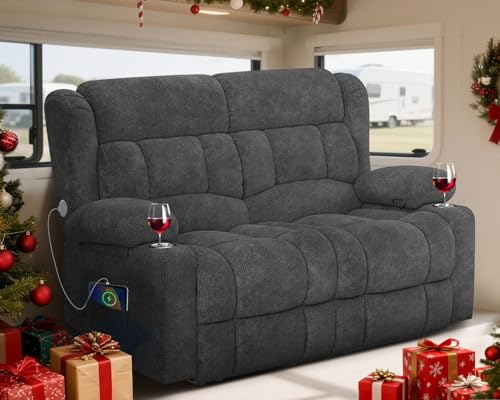
MisUMis RV Loveseat Recliner Sofa, Wall Hugger Reclining Loveseat RV Couch with USB Ports, Cup Holders, Pockets, 150° Adjustable RV Furniture Velvet Fabric Recliners for Travel & Home Theater Seating
Check price on Amazon
Hizyrina 59” Loveseat Sleeper Sofa with USB Ports & 4 Storage Pockets, 3 in 1 Convertible Sofa Bed with Adjustable Backrest, Pull Out Couch for Living Room, RVs, Camper, Small Spaces, Chenille Grey
Check price on Amazon
76" Convertible Sofa Bed, Corduroy Boneless Couch with Cup Holders & Pocket | 2-in-1 Sleeper Sofa, Pull-out Couch Bed with 5 Pillows, Living Room, Small Spaces, Bedroom, No Assembly
Check price on Amazon
RV Loveseat Recliner Sofa, Wall Hugger Reclining RV Couch with USB | RV Reclining Loveseat with Massage, Pocket, Cup Holder, 150° Recline for RV Furniture, Travel Trailers & Home Theater Seating
Check price on Amazon
MisUMis RV Loveseat Recliner Sofa, Wall Hugger Reclining Loveseat RV Couch with USB Ports, Large Pockets, Cup Holders, 150° Adjustable RV Recliners Furniture for Travel Trailers & Home Theater Seating
Check price on Amazon
Gizoon 63.6" Convertible Sofa Bed, 3-in-1 Couch Bed, Small Sleeper Sofa | Futon, Sleeper Sofa Bed for Small Spaces Apartment Living Room, Side Pockets, Storage Armrests, 5 Adjustable Backrest, Grey
Check price on Amazon
RecPro 68" RV Jackknife Sleeper Sofa - Oatmeal Cloth | Drop Down Center Console, Dual Cupholders, All-Metal Frame & Mechanisms
Check price on Amazon
Reclining Loveseat Sofa, RV Loveseat Recliner Wall Hugger Couch, Home Theater Seating, Massage Loveseat with Console, USB & Type-C Ports, Storage Armrests for Living Room, Camper, Game Room, Man Cave
Check price on AmazonFrequently Asked Questions
What size couch fits in a camper?
The ideal size depends on your camper's floor plan. Class B vans typically accommodate loveseats up to 60 inches wide, while Class C motorhomes can often fit a standard sofa up to 72 inches. Always measure doorway width and interior clearance before purchasing.
What material is best for a camper couch?
Performance fabrics and leather are ideal for camper couches because they resist moisture, stains, and UV damage. Look for materials that are easy to wipe clean and do not retain odors from cooking or outdoor activities.
Can a regular couch be used in a camper?
A standard household couch can work if it fits through the camper door and can be secured properly. However, camper-specific couches are built with lighter frames, removable cushions, and mounting points that make them safer and more practical for travel.
How do I secure a couch in a camper?
Use L-brackets, tie-down straps, or floor-mounted D-rings to anchor the couch to your camper's floor or wall framing. Camper-specific couches often include pre-drilled mounting points that simplify installation.
Should I choose a sleeper couch for my camper?
A sleeper couch is a strong choice if you host guests or need flexible sleeping arrangements. Models that fold flat or pull out into a bed add utility without requiring a second piece of furniture. Just verify the extended footprint fits your available floor space when deployed.
Ready to Furnish Your Camper?
Browse our recommended camper couches above, compare features, and choose the one that fits your rig and your travel style. For more layout inspiration, explore our small living room couch guide.
View Recommended Couches